
Can Your EV Power Your House? Well Yes! And also, No.
“It’s like having a 5G phone, but there aren’t any 5G masts”
Ask an EV owner if their car can power their house and you’ll get one of two answers: a shrug, or a very long story involving extension leads, a helpful electrician, DNOs, and a wallbox that costs more than a second-hand Nissan Leaf.
The shrug is the interesting bit. What sounds like a simple subject ends up being surprisingly difficult to give a simple answer to.
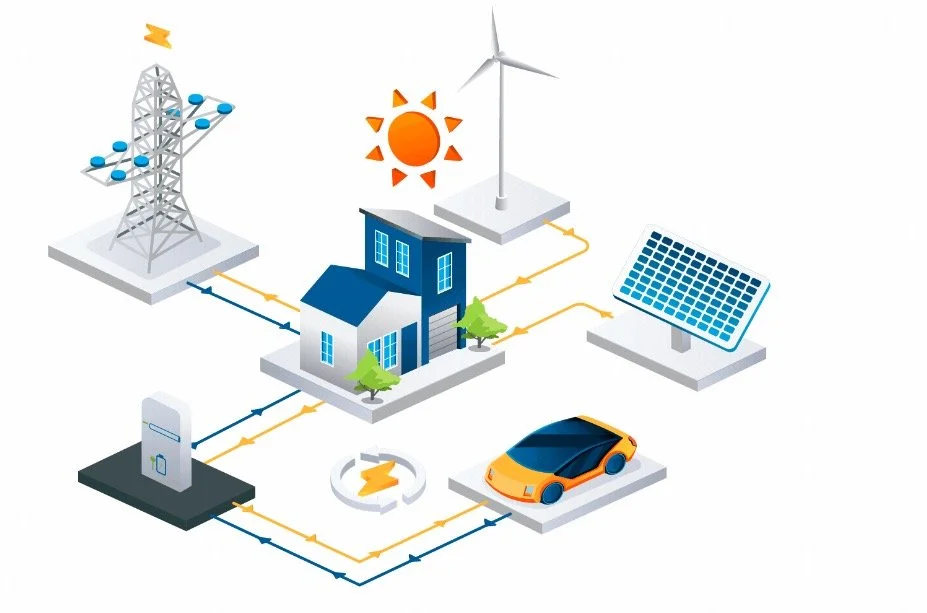
Bi-directional power flow.
Plenty of cars on UK driveways can already push power out. Hyundai and Kia’s E-GMP platform (EV6, Ioniq 5/6, EV3, EV9) will happily power external devices up to ~3.6 kW via Vehicle-to-Load (V2L). Other models from MG, BYD, Volvo (EX30), to newer VW ID models and others, do a similar thing: providing roughly 2.2 to 3.6 kW of AC power-which is essentially a heavy-duty socket attached to your car’s battery (which is measured in tens of kilowatt-hours.)
What that is not, however, is true V2H (Vehicle-to-Home) or V2G (Vehicle-to-Grid). To confuse things further, we also have V2X (Vehicle-to-Everything) along with competing DC and AC output options to consider.
That gap between ‘the car CAN discharge if asked to, and the house COULD receive and make use of the power’ is why owning an EV that is V-to-Whatever “ready”, feels like owning a 5G phone in a town with no 5G masts.
Three Different Approaches to ‘cracking the proverbial walnut.’
People throw around "V2L/G/X” as if it were a single feature. It isn’t. Here is how the tech actually breaks down:

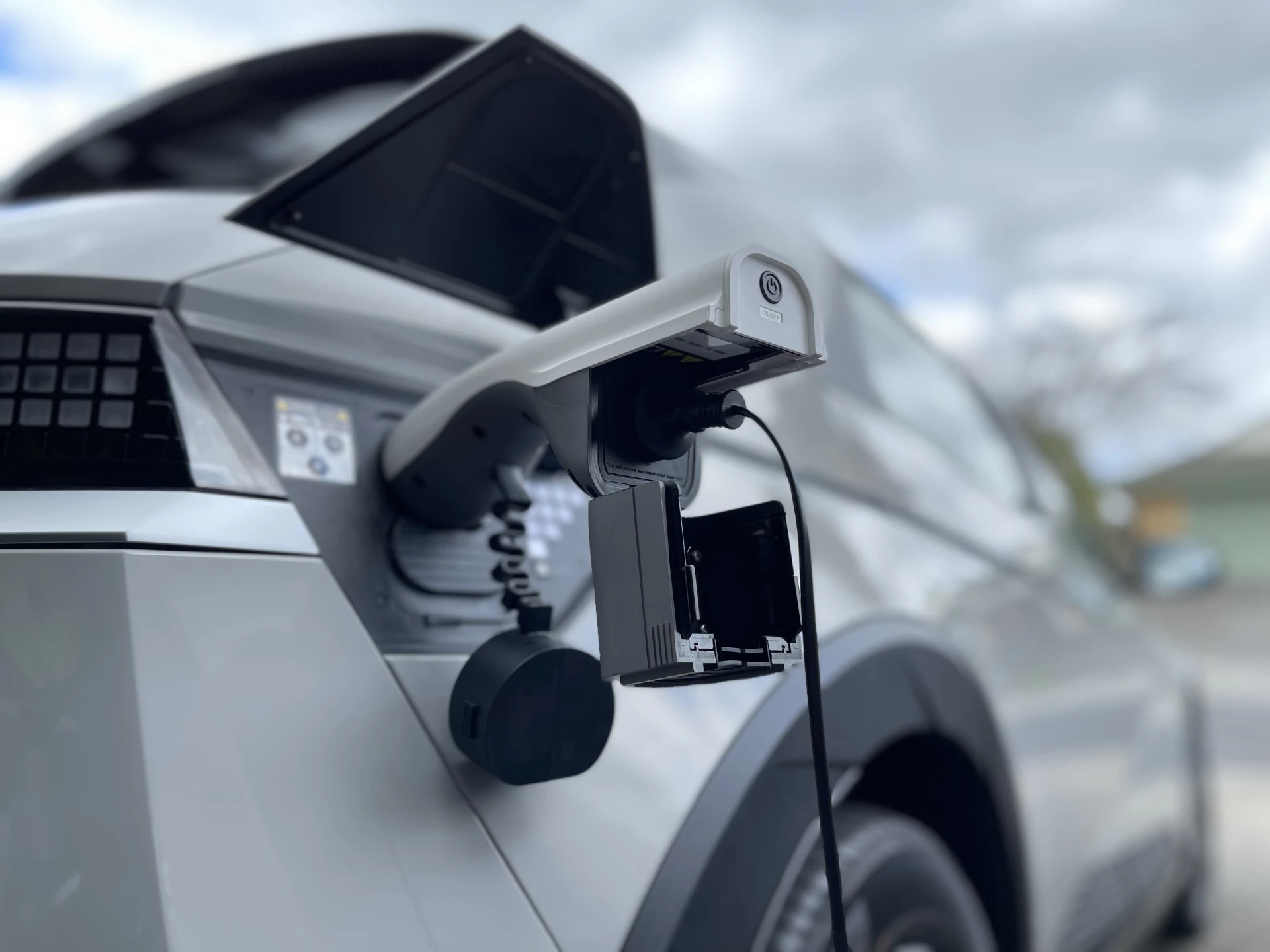
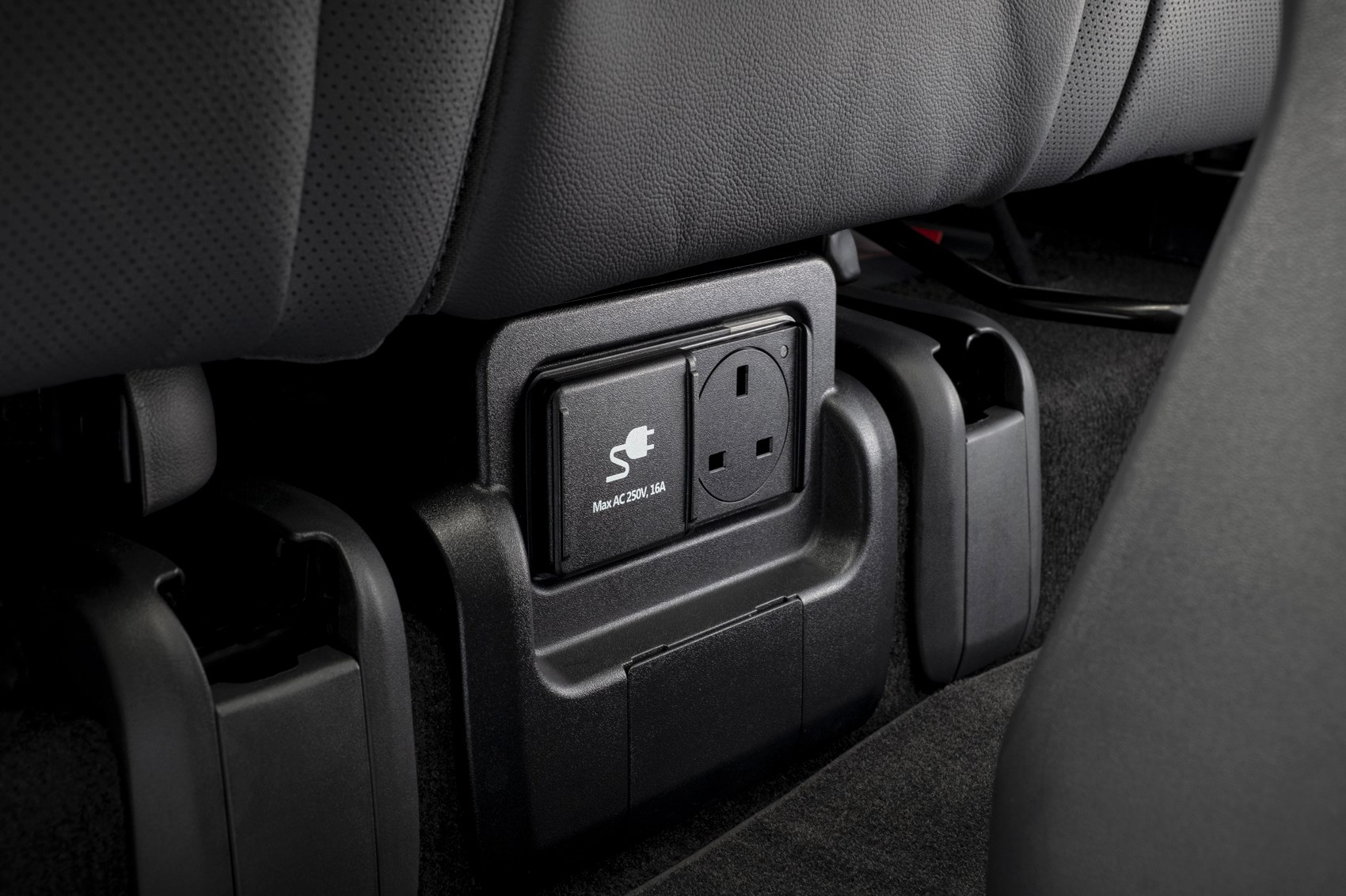
1. (AC) V2L directly from the car
An adapter plugs into the charge port, and/or you use a 3-pin socket inside the car.
It is completely isolated from the grid, so there is no DNO notification, no Part P drama, and no special wallbox required. You plug devices or an extension lead directly into the socket. The maximum power it can output is model specific, but is from ~2kW up to ~3.6kW usually.
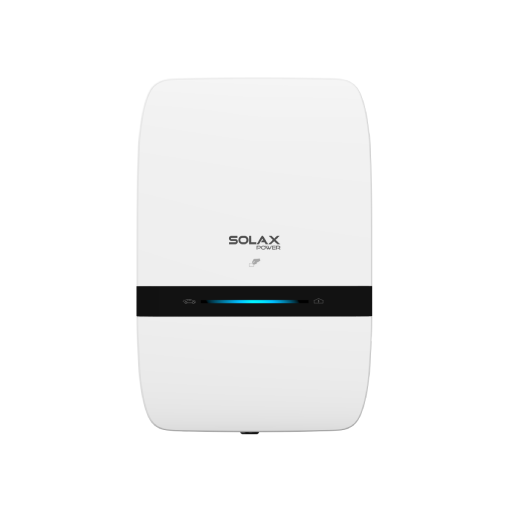
2. (AC) V2L into a hybrid inverter (The interesting middle-child path)
This is the route most people haven't clocked yet. It is arguably the most sensible, lower-cost option, provided you have a compatible home inverter setup.
Take a unit like the upcoming SolaX Binary Series (BRY-A22D7). It works as a standard Type 2 wallbox/EV charger, but it can also take the car’s V2L AC output and route it directly into a paired hybrid inverter.
The energy path: Car battery → onboard inverter (V2L AC) → Type 2 cable → wall charger → compatible hybrid inverter → house loads inc house battery.
While it’s clever, you remain constrained by the car's AC V2L limit. You won't run an induction hob, heat pump, and tumble dryer simultaneously. However, that is more than enough to cover a home’s baseline background loads and lower-drain devices.
Paired with solar and a home storage battery, you gain a way to top up the house battery too using cheap off-peak or even solar captured electrons stored in the car.
It needs a compatible inverter and a qualified installer, but it is the analagous equivalent of building a rudimentary '5G Lite' mast. You simply plug your car into the charger as normal using your Type 2 cable.

3. (DC) V2H / V2G over CCS (The "proper" version)
A (not cheap) wallbox bypasses the car's onboard inverter and talks directly to the high-voltage DC battery via the lower two pins of the car’s CCS port. An external inverter inside the wallbox converts the DC power to AC for the house at much higher continuous outputs (typically in the double-digit kW range).
Systems like the Wallbox Quasar 2 cost several times more than a standard 7 kW AC charger and require specialist isolation hardware so you don't keep the street live during an outage. The moment power can flow back past the meter, your local Distribution Network Operator (DNO) and G99 regulations enter the conversation also.
‘Vehicle To…’ (V2) hardware is already sitting on thousands of driveways. What the car cannot do on its own is:
Synchronise frequency with your incoming grid supply.
Safely island the house during a blackout without back-feeding the street.
Satisfy BS 7671 Chapter 82 / Section 722 electrical standards for home installations.
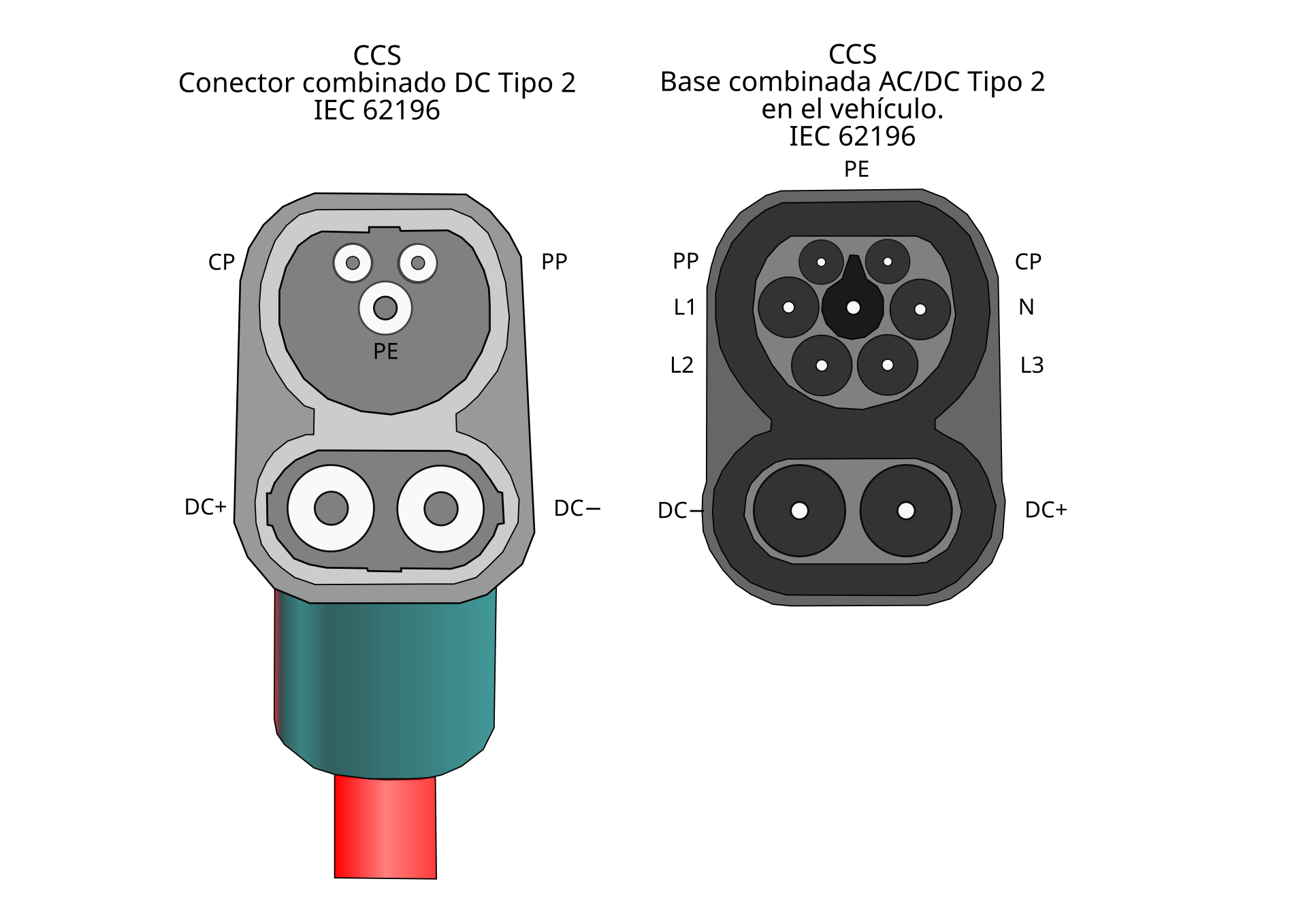
CCS2 pin diagram
Why You Can’t “Just Plug It In”
A low power V2L output from a car is an isolated supply. Your house is a grid-tied installation with a specific earthing arrangement. Back-feeding a socket circuit with the main switch closed can energise the local street transformer.
Bridging that gap requires navigating a maze of UK electrical standards:
DNO Approvals (G98/G99): Pure V2H that never exports past the meter faces fewer hurdles, but many DNOs treat anything capable of bidirectional flow as potential export hardware.
Earthing & Protection: Managing Lost PEN protection, Type B RCDs, 6 mA DC residual detection, and bonding when the vehicle acts as a temporary generator.
Tariffs & Interoperability: True V2G (earning money by exporting during peak demand) requires an approved vehicle, charger, supplier, and compatible firmware (via standards like ISO 15118-20).
Summary.
DC CCS V2H is the cleanest long-term setup, but today it carries a price tag easily several times the cost of a normal charger, plus isolation gear and DNO paperwork.
The AC V2L-to-inverter route is the simpler of the complex solutions, because it uses hardware already sitting on driveways today, bypassing years of waiting for car manufacturers to agree on standards.
For bidirectional power to become truly mainstream, "simple" needs to mean: a standard cable, a wallbox priced like today’s smart chargers, automatic grid isolation, a streamlined DNO notification process, and a system that automatically ‘talks to’ everything.
Your car is not the roadblock. The home plumbing is.
