Hyundai undercuts the electric and petrol market with the IONIQ 3
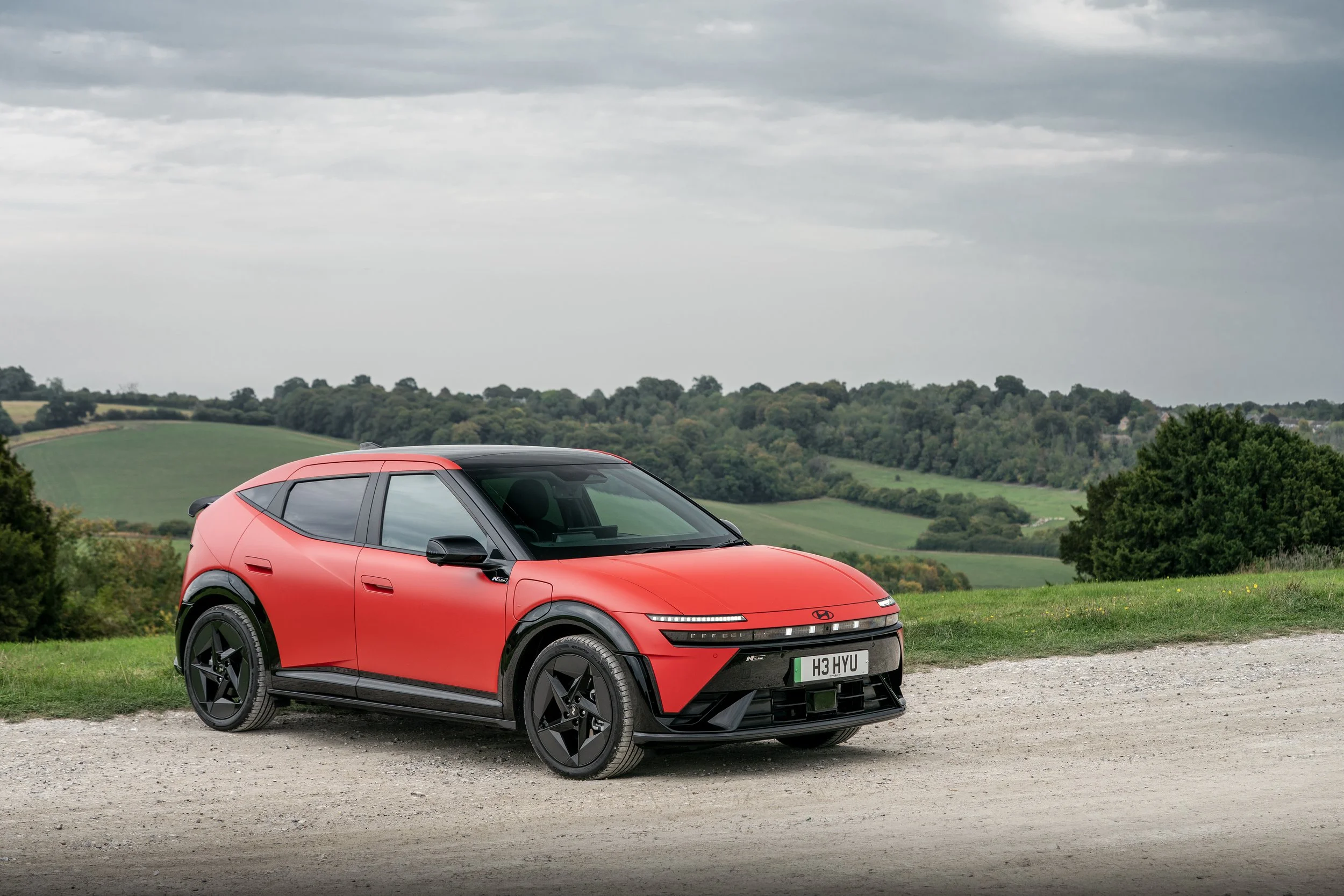
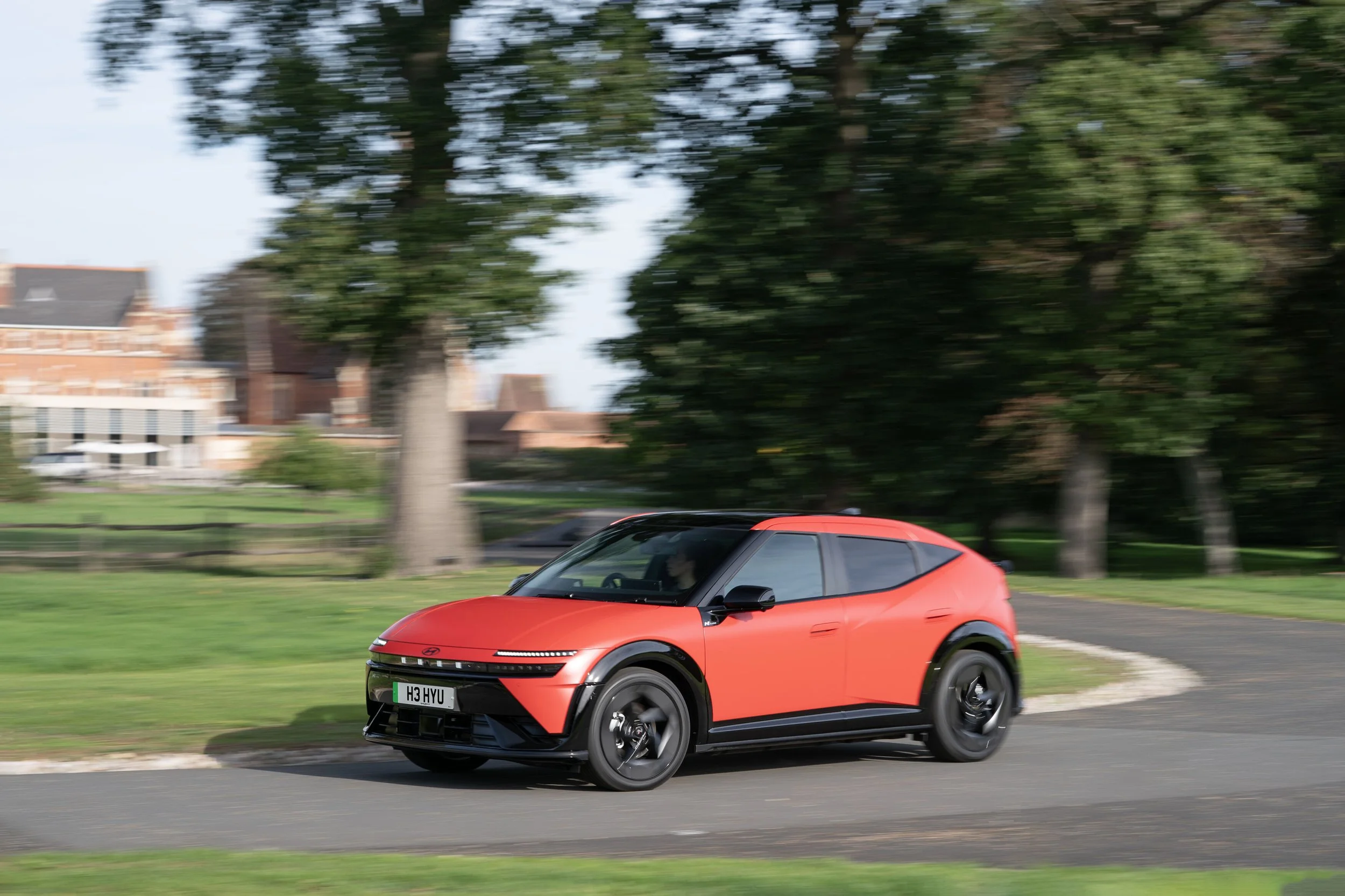
Every so often a new car enters the market, rips up the rule books and creates a price war, and the all-electric Hyundai IONIQ 3 might just well be the latest car to do that.
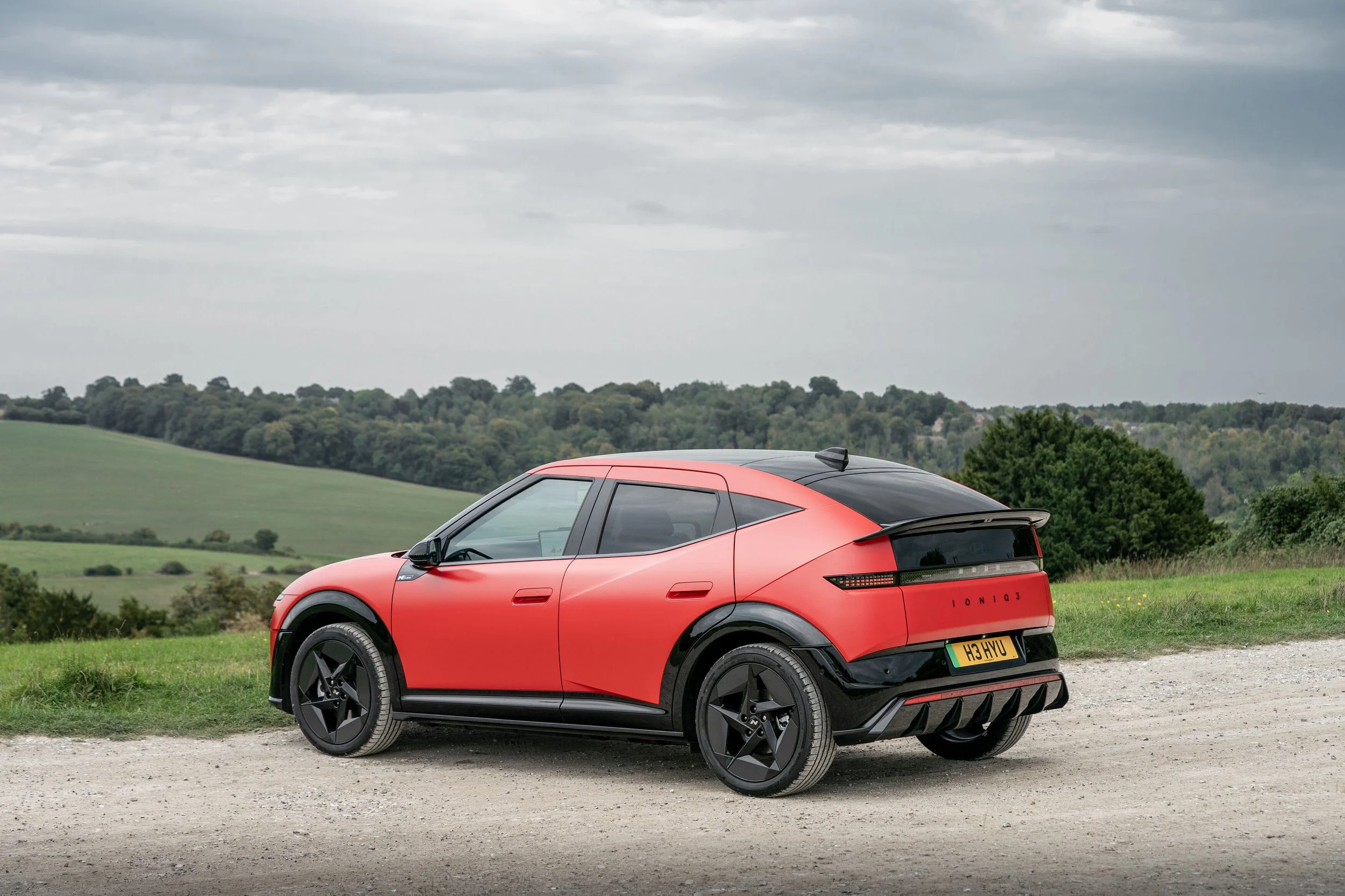
Being a B-segment hatchback, often referred to as a subcompact hatchback, supermini, or sometimes a city car, Hyundai has created a car that breaks the dreary mould of traditional manufacturers with striking looks, huge practicality and a price that undercuts its electric, hybrid and petrol rivals, without compromising on range.
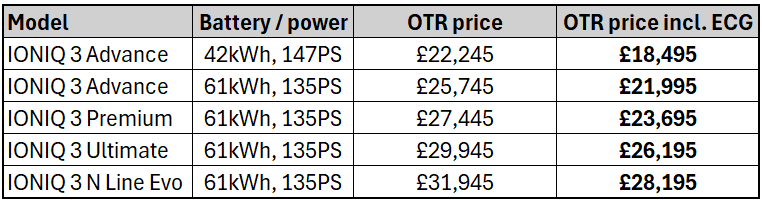
With the Electric Car Grant applied, the IONIQ 3 starts from £18,495, undercutting its petrol i20 by £1,500. For that customers will get the base Advanced trim with the 43 kWh battery pack that’s good for 213 miles of range. Step up to the larger 61 kWH battery pack on the same trim level, and it’s rated for 308 miles of range for as little as £21,995, which is £6,335 less than Volkswagen’s base Life trim with the larger 281 mile range, 52 kWh battery pack.
The comparisons don’t end there, because the IONIQ 3 can pack 441 litres of cargo in the boot, the exact same capacity as the ID.Polo, albeit it’s made up from a 322 L boot and a 119 L Megabox beneath the boot floor. But if I continue to play small car Top Trumps, the IONIQ 3 defeats the ID.Polo for wheelbase, with the Hyundai measuring 2,680 mm vs 2,592 mm for the Volkswagen, meaning there’s more passenger space in the IONIQ 3.
Rapid charging takes 30 minutes from 10% to 80% with either battery option, enabling long distance driving and meaning that this new, small hatchback can handle the same workload that customers give its small petrol hatchbacks.
There are only 2 battery options to choose from, and four trims, but each represents good value for money.
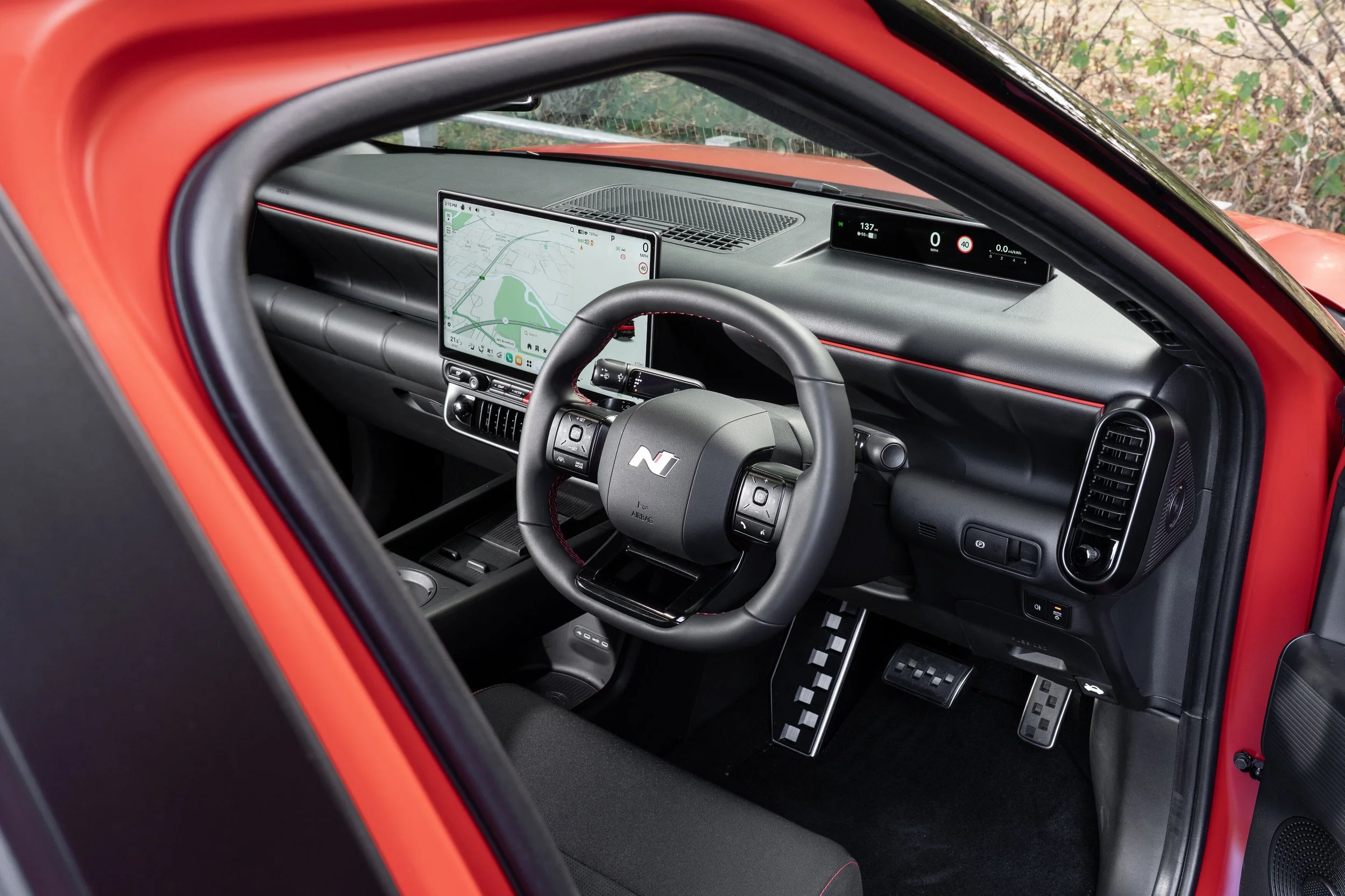
In this regard, the Hyundai IONIQ 3 is a game changer for the automotive industry. The story gets better because this is the first Hyundai model to feature the new ‘Pleos Connect’ infotainment system, which is based on the Android Automotive operating system, plus their SmartSense driver assistance technology is fitted as standard across the range.
There’s a thin drivers display perched atop the dashboard and a 12.9-inch, or 14.6-inch central display (depending on trim) for access to vehicle functions, navigation and connectivity. Hyundai’s Digital Key 2 enables keyless access via smartphone or wearable devices like a smart watch, plus Plug & Charge makes for simple charging with the driver plugging in and walking away - no apps, RFID cards or payment cards, albeit the customer will be charged for refuelling against their account.
The IONIQ 3 also comes with an integrated EV route planner and interior and exterior Vehicle-to-Load (V2L) functionality support a seamless electric driving and charging experience, but the latter must be purchased as part of an options pack.
So, the optional £1,250 ‘EV Pack’ adds V2L functionality and a Heat Pump and neither can be specced without the other which adds more to the cost, but does provide good value, at least.
An optional ‘Design Pack’ offers a Two-tone Vision Roof, whilst the ‘Comfort Pack’ comes with premium relaxation seats, heated front & rear seats, ventilated front seats, Bose Premium Audio and Digital Key 2.0.
The all-new Hyundai IONIQ 3 is available to order now from Hyundai retailers across the UK. Full details are on Hyundai’s website.