
Nissan halt development of EV Qashqai
You’re never more than 10 metres from a Qashqai goes the saying. Given the origins of this phrase features a rat, it’s perhaps not an anecdote that is destined for widespread use. I don’t have a Qashqai, but one of my neighbours has a J12, 2022 car. And it’s the third Qashqai she’s had.
Repeat customers are the lifeblood of automotive retail, and the Qashqai delivers them in abundance. Loyal buyers keep returning to the model, anchoring it firmly in the UK’s top five best-sellers for nearly two decades - often with its stablemate, the Juke, close behind. Quite simply, it is a cash cow. Drive anywhere in the UK or across Europe and you’ll spot Qashqais everywhere. The first generation alone sold over 1.25 million units in Britain, while more than 3.8 million have rolled off the production line at Sunderland.
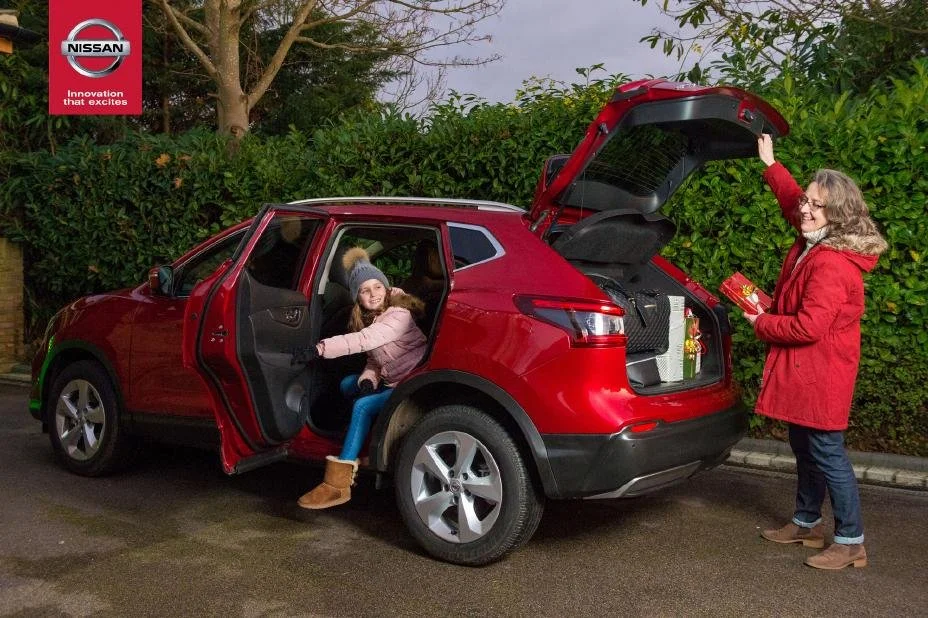
Derided by some as a mum-car, it has, like many from this stable, been going about its business quietly, efficiently, some might say relentlessly, since 2006. Example: The rear doors open to 90 degrees. It’s things like that that make this a first choice for families.
So why, if Reuters are to be believed, are Nissan ending development of the EV version? Making one was in the financial aid package agreed with the UK Government just a few years ago, so the Department for Business and Trade might have an opinion on this. It’s understood that Nissan-Renault people are in London as I write this discussing this very thing.
I’ve long held the opinion - and happily regaled anyone who will listen - that an EV Qashqai doesn’t have a place in Nissan’s EV line-up. Its place has been subsumed by Ariya and Leaf. Qashqai’s sweet spot has always been as a practical, affordable family-freindly crossover. That ground is now comprehensively covered by Ariya and Leaf. It brings me no joy to say it, but Qashqai no longer has a reason to be.
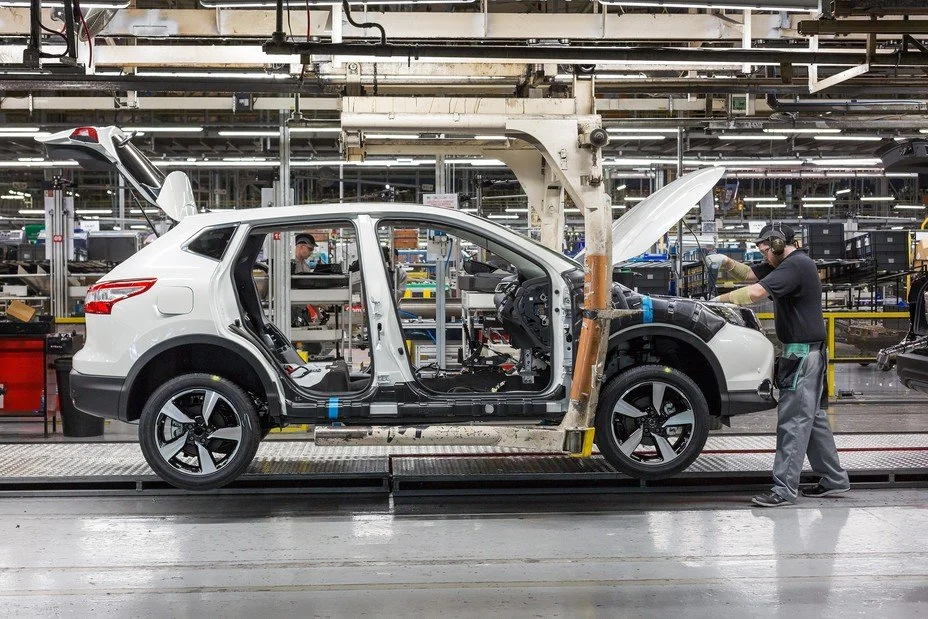
Qashqai production line: Sunderland, UK.
The current car has just had a facelift and the e-Power version remains a good seller. It’s 1.5 four-pot mated to an EV drivetrain; it's a really good drive and feels just like an EV in use. The petrol engine isn’t connected to the wheels, it charges the battery, it’s what’s known as a series hybrid. I’ve driven the X-Trail with the same powertrain, it’s awesome!
Nissan financial travails are a factor too - of course they are. Both the previously mentioned X-Trail and Qashqai are not on the CMF-EV platform that underpins Leaf and Ariya and putting that right will be expensive. CEO Ivan Espinosa (accept my LinkedIn request please) is still keen to cut costs and trim the line-up. Dropping this vehicle would make perfect sense.
We’ve heard rumblings about the ZEV mandate being softened in the UK recently. While any decision is likely to be put on hold as the Westminster conveyer-belt spaffs out a new UK Prime Minister, we don’t yet know Andy Burnham’s view on this. Meantime, Nissan quietly confirmed the current Juke would continue as a hybrid even after the new Juke EV breaks cover. Might the Qashqai, facelifted just this year, continue as a hybrid? I bet it does. If the UK ZEV mandate is to be pushed back to 2035, Nissan might be well advised to keep selling it’s most popular cars in their e-Power guise.
Insiders say Nissan might return to this project, though if this were to happen, we wouldn’t see the car until the 2030s. The pause, if that is what this is, reflects wider industry challenges: high development costs, slower-than-expected consumer uptake of pure EVs, and regulatory uncertainty around emissions targets. For now, the humble, ever-present Qashqai will keep doing what it does best — selling in huge numbers, just not as a full EV.