
2026 Peugeot e-308 GT—The Lion That Yawns, Rather Than Roars?
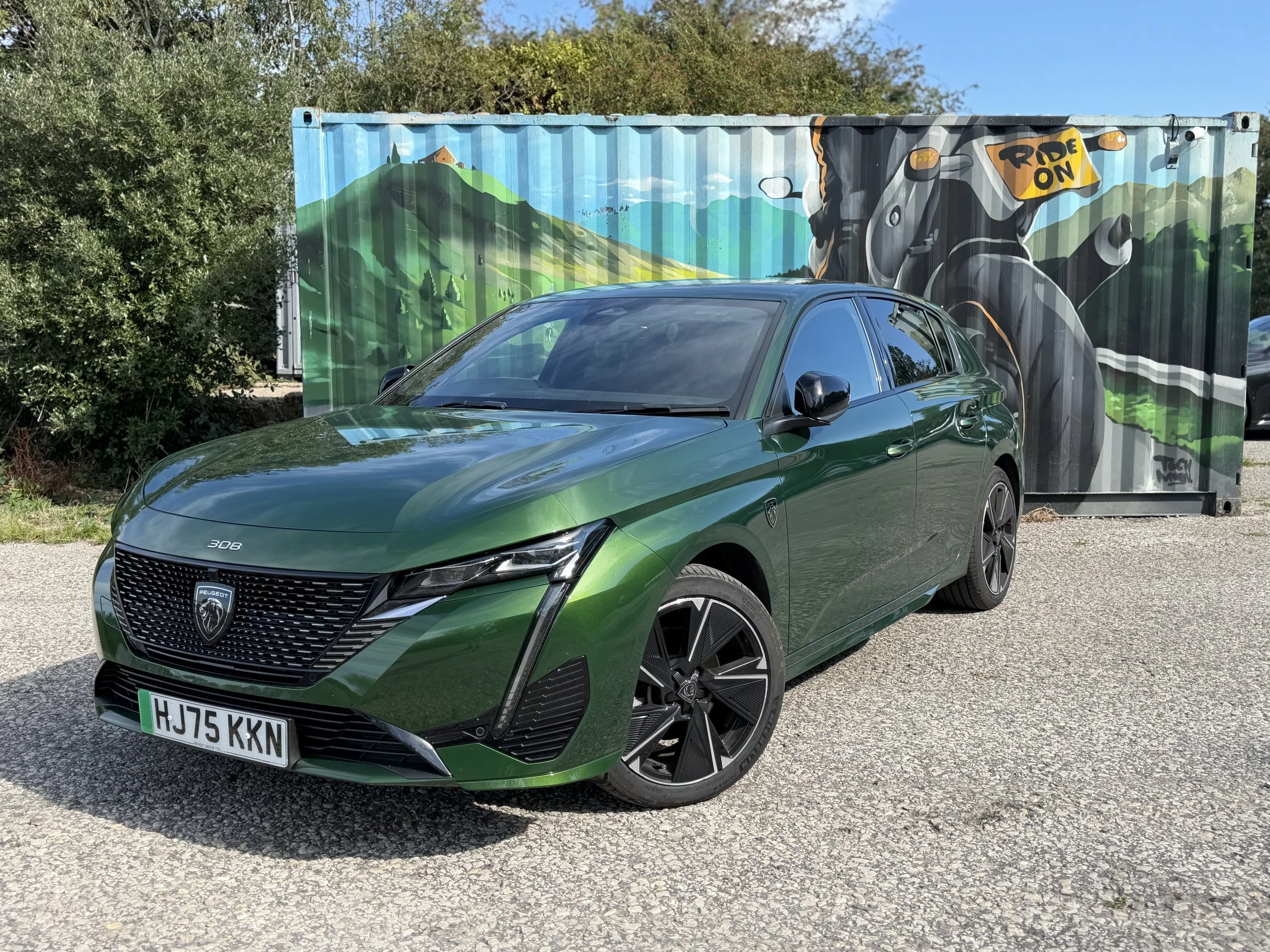
e-308 GT
I recently got my hands on the Peugeot e-308 GT and, what a handsome thing it was, finished in a lovely dark metallic green.
This is the GT, and I’m looking forward to a nippy and engaging drive from a traditional sporty hatch that happens to be electric. But does this little lion deserve that GT badge?
Looks
Peugeot’s design language still works - I’ll give them that. The e-308 has more visual flair than a lot of anonymous hatches, and even in this slightly safe generation’s guise, it’s a good-looking car. The GT kit adds a bit of attitude. People will like it - it’s pretty yes. Special? Perhaps not.
Interior
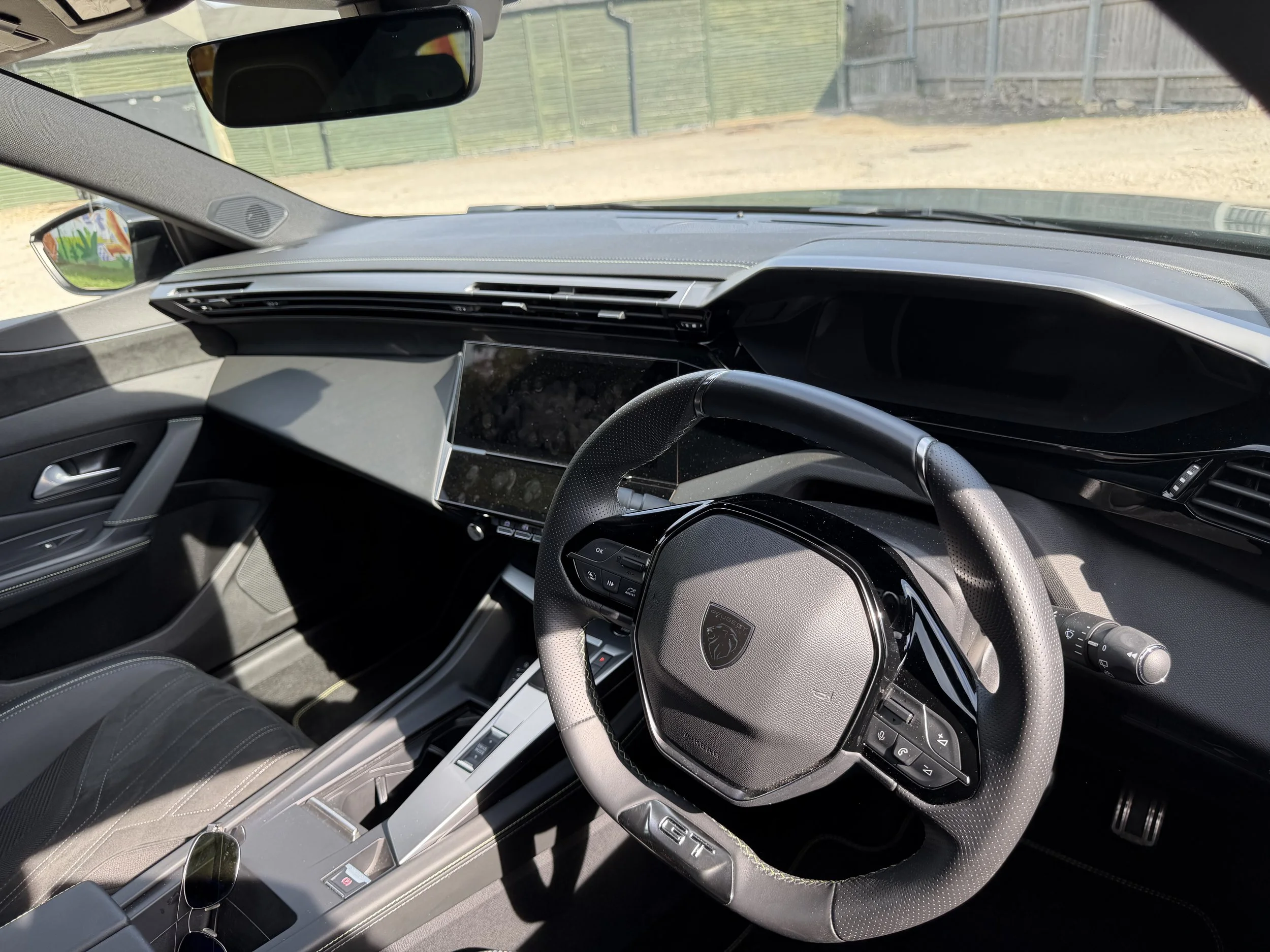
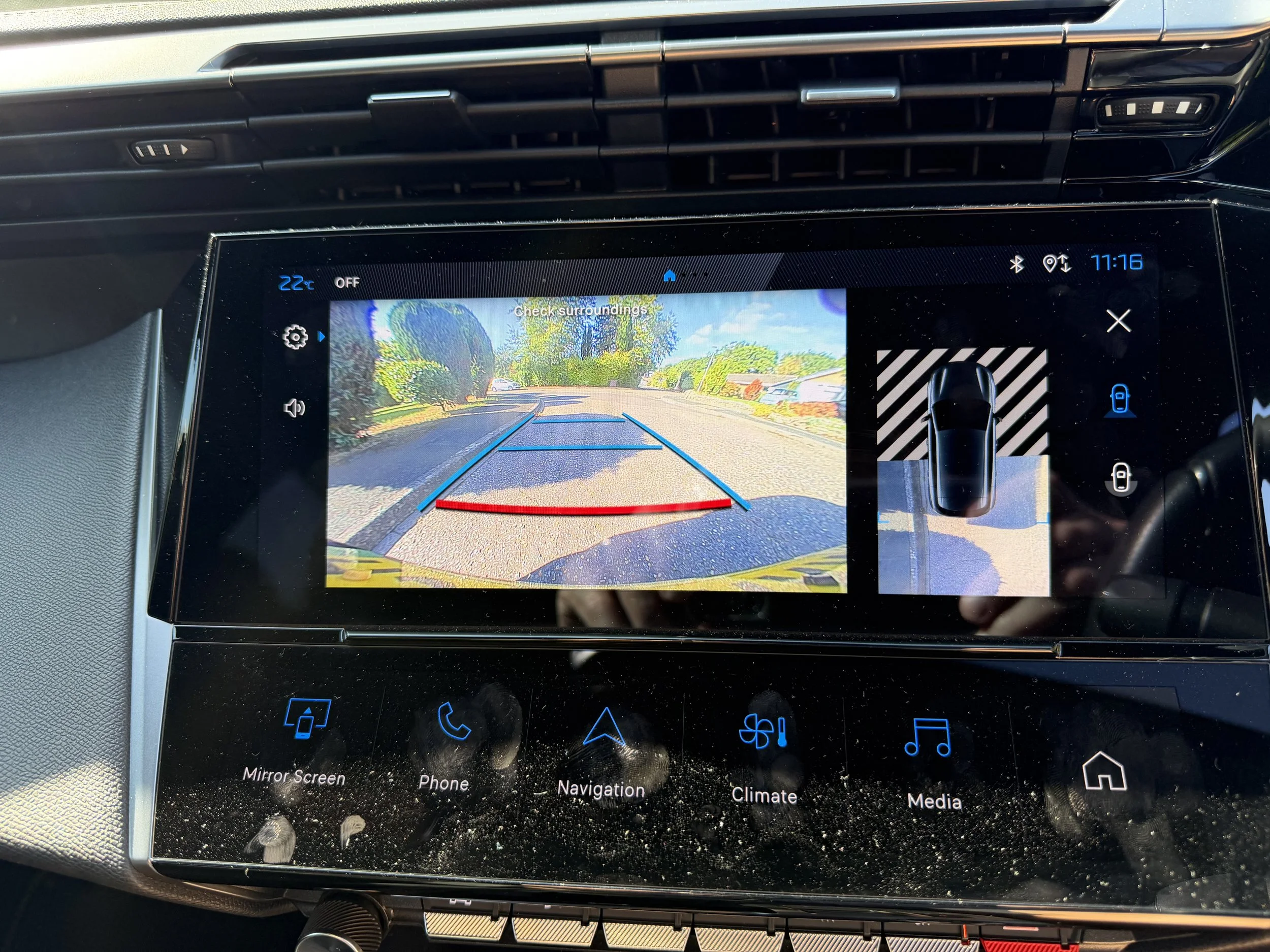
There’s a big touchscreen in the middle that’s got another angled touch panel beneath it. Then there’s the ‘i-Cockpit’. The steering wheel is small, and the driver’s display cluster sits above it, and you look over the rim rather than through it. Some people like it. I don’t particularly, if I’m honest, but you get used to it. The driving position is otherwise decent, but try the wheel before you sign anything. It is a Peugeot peculiarity, and it is not automatically one you’ll take to.
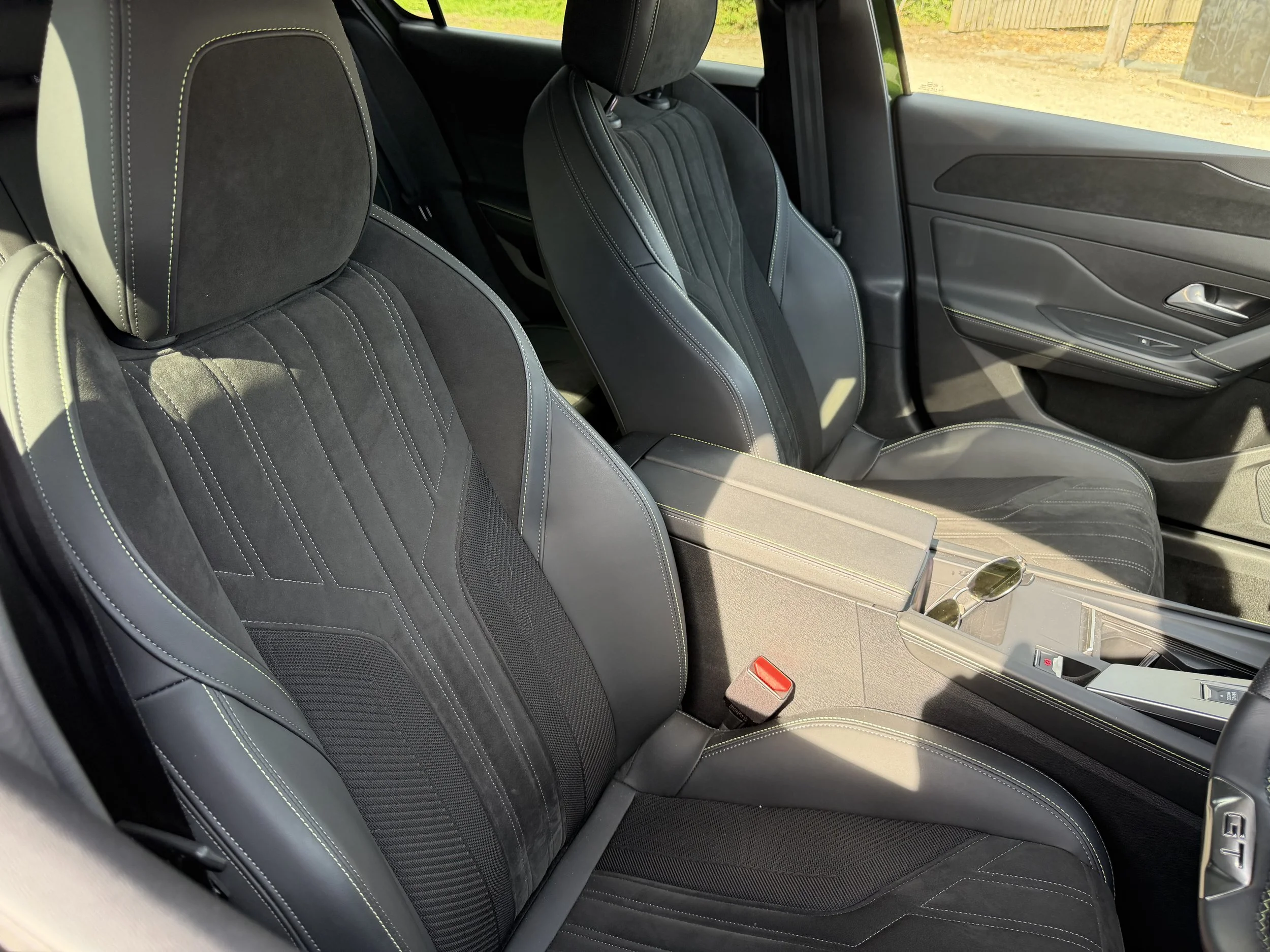
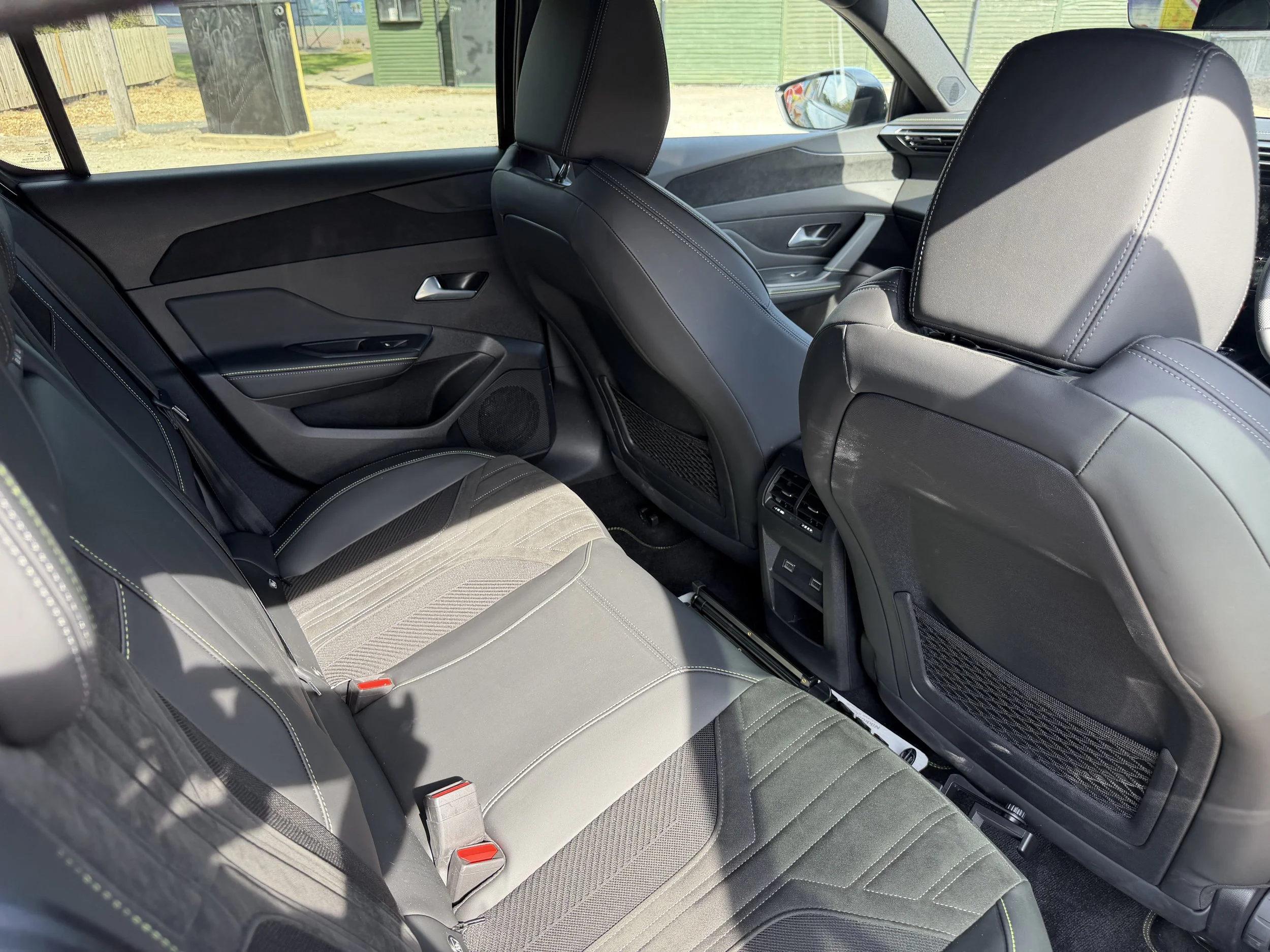
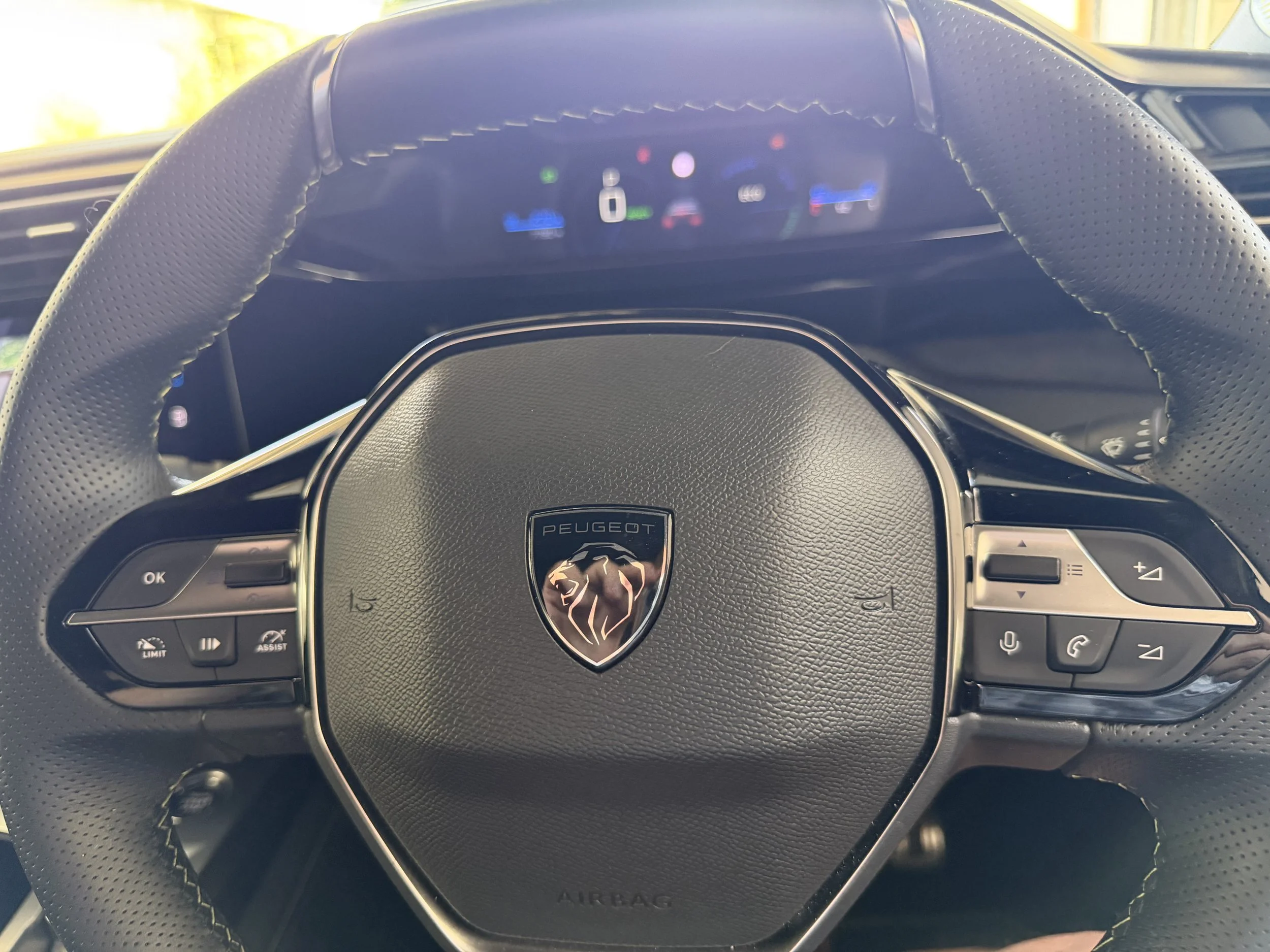
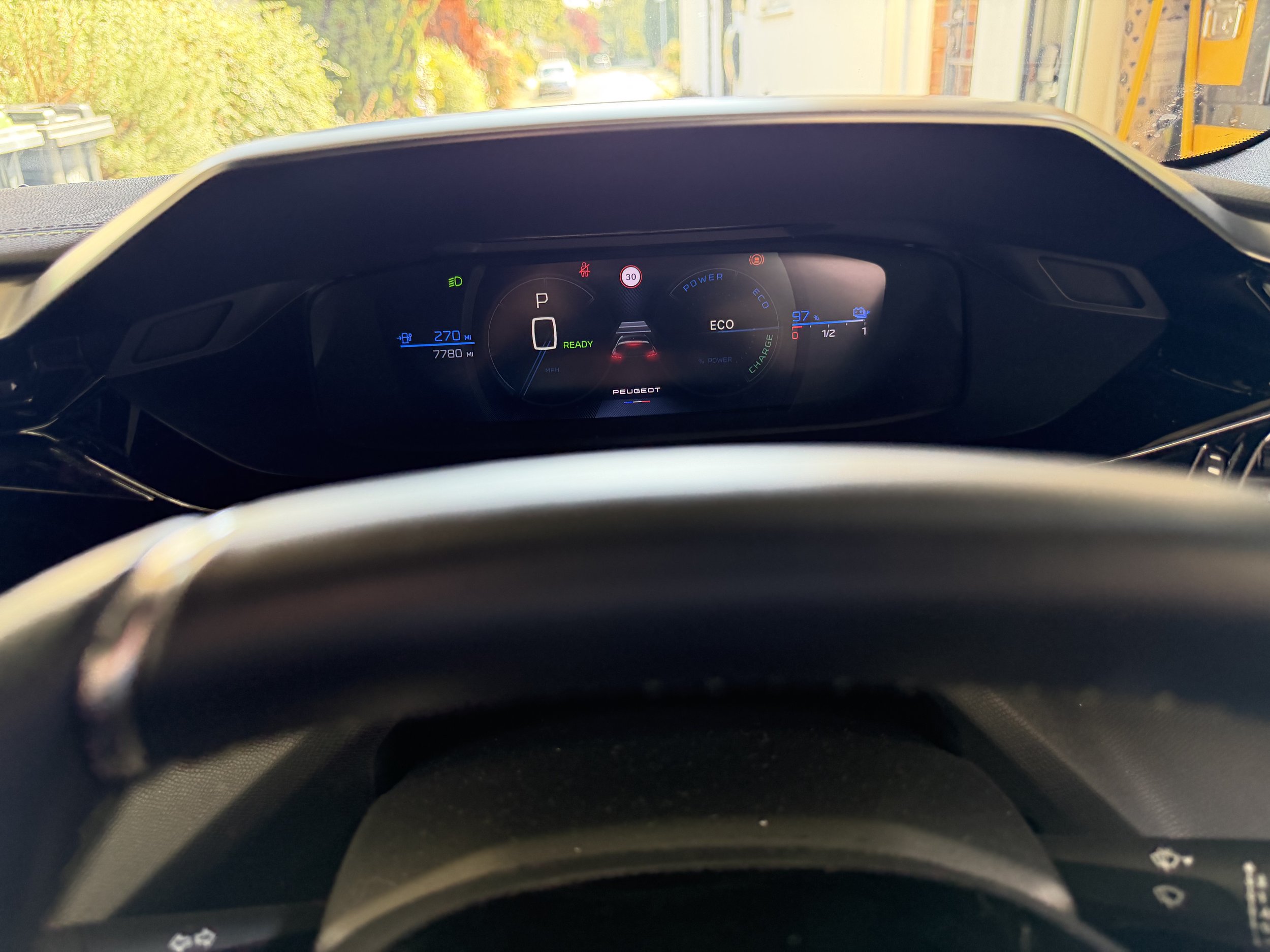
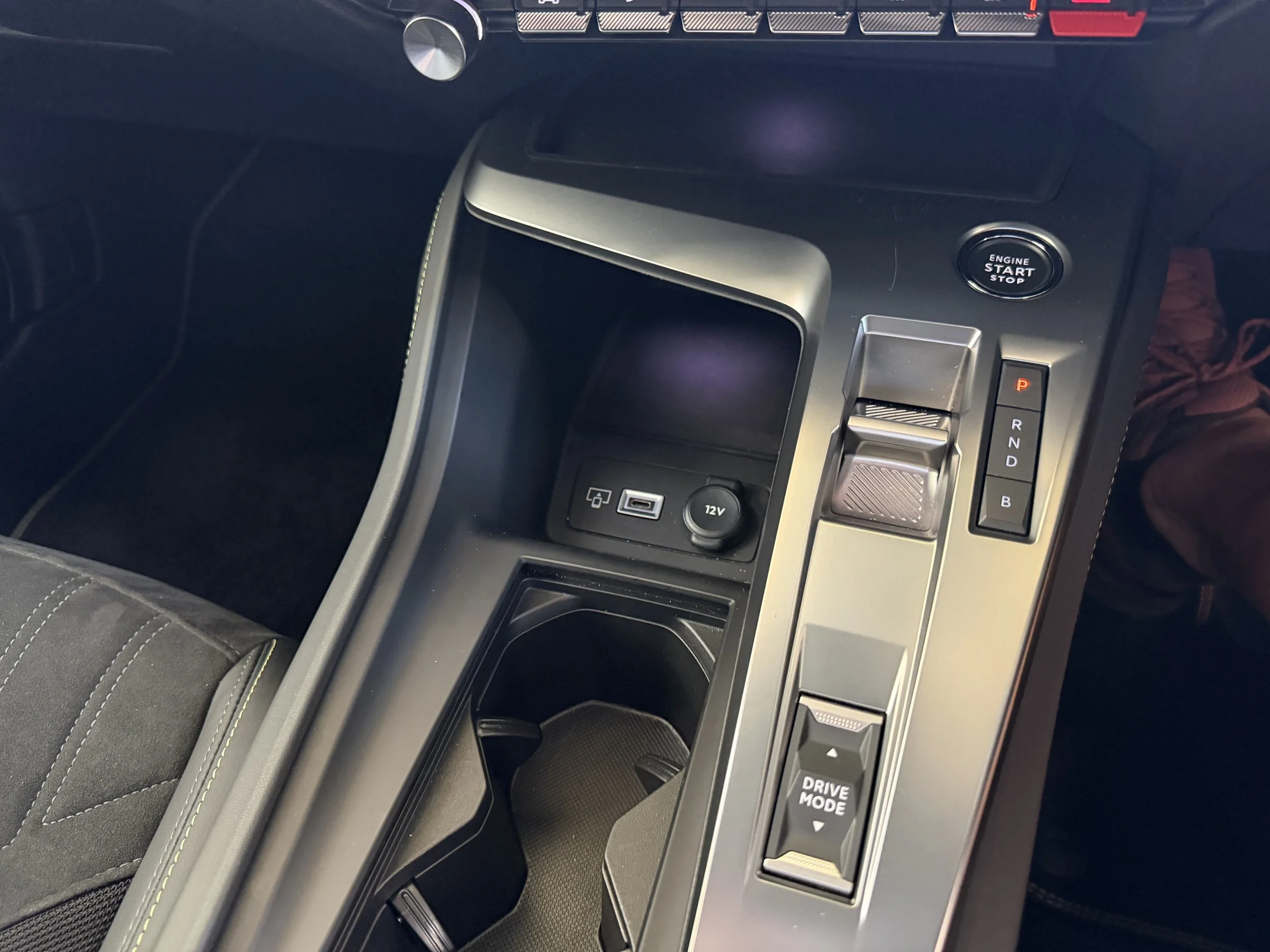
The seats are finished in lovely black cloth, with cool neon-green stitching and there’s a mix of fabric, hard plastics and the ever-lamentable piano-black gloss that shows every fingerprint. It’s very comfortable, until you sit in the back. Rear legroom is poor - really poor. I’m tall, granted, so I notice it first, but there isn’t a huge amount of space behind the front seats for anyone with legs. You’ll fit kids and younger teenagers fine.
This is the EMP2 problem. That is still the same multi-energy platform as the petrol 308 and the Astra. Comfortable up front. Tight in the back. The rear can feel a bit dark and cave-like too, especially without a glass roof-which costs £900 more .
The front seats, though, are excellent. Supportive, with big side bolsters on this trim. If you buy the Peugeot, this is a big part of why.
Drive
The car rides nicely and it handles well in the corners. Nothing wrong with the way it drives, in the old-fashioned sense. It does not feel particularly sporty, and rather disappointingly, only has 156 BHP, but it’s very well mannered and the steering and cornering is very good and is well-weighted. The small steering wheel helping with that slightly heavier steering feel.
The modest 156bhp on tap, makes it feel seriously underpowered when you want to get on with it, especially from a standstill. My usual complaint about sporty front-wheel-drive EVs does not apply here. There is almost zero chance of spinning the front wheels. Partly because of the good torque tuning, but mostly because there simply isn’t enough power to get you into trouble.
You only get the full 156hp in Sport Mode. In anything else it is even duller. That is why I spent most of the time in Sport. Driving it in Eco is coma-inducing.
Things improve once you’re above 30mph. There’s enough shove then to keep up with traffic and overtake. A quick car though, it is not.
Regen is really quite weak. There is no one-pedal driving. Lift off and it just kind of coasts. You still need the brake pedal, and a lot more than you should in 2026. For anyone used to their EVs actually having useful regen feel, this will disappoint.
Does the facelift car fix that? Only half of it. The updated e-308 swaps the old B button for three regen levels on steering-wheel paddles. That is better, but the strongest setting is still fairly gentle, and Peugeot has not added proper one-pedal driving that brings the car to a halt. This on test car is the pre-facelift, so no paddles.
Software
The Peugeot’s software and UI feel old. Functional, and not particularly slow, but just messy and a bit complicated. The factory nav will get you there, but it’s poor and the whole thing feels dated and frustrating.
I was however, pleased to see a few physical HVAC controls. My enthusiasm lasted about ten seconds though. Press them and they just open the relevant menu on the big screen. They are not up-and-down switches. One press only. So you haven’t escaped the touchscreen; You’ve added an extra tap to it! Why?
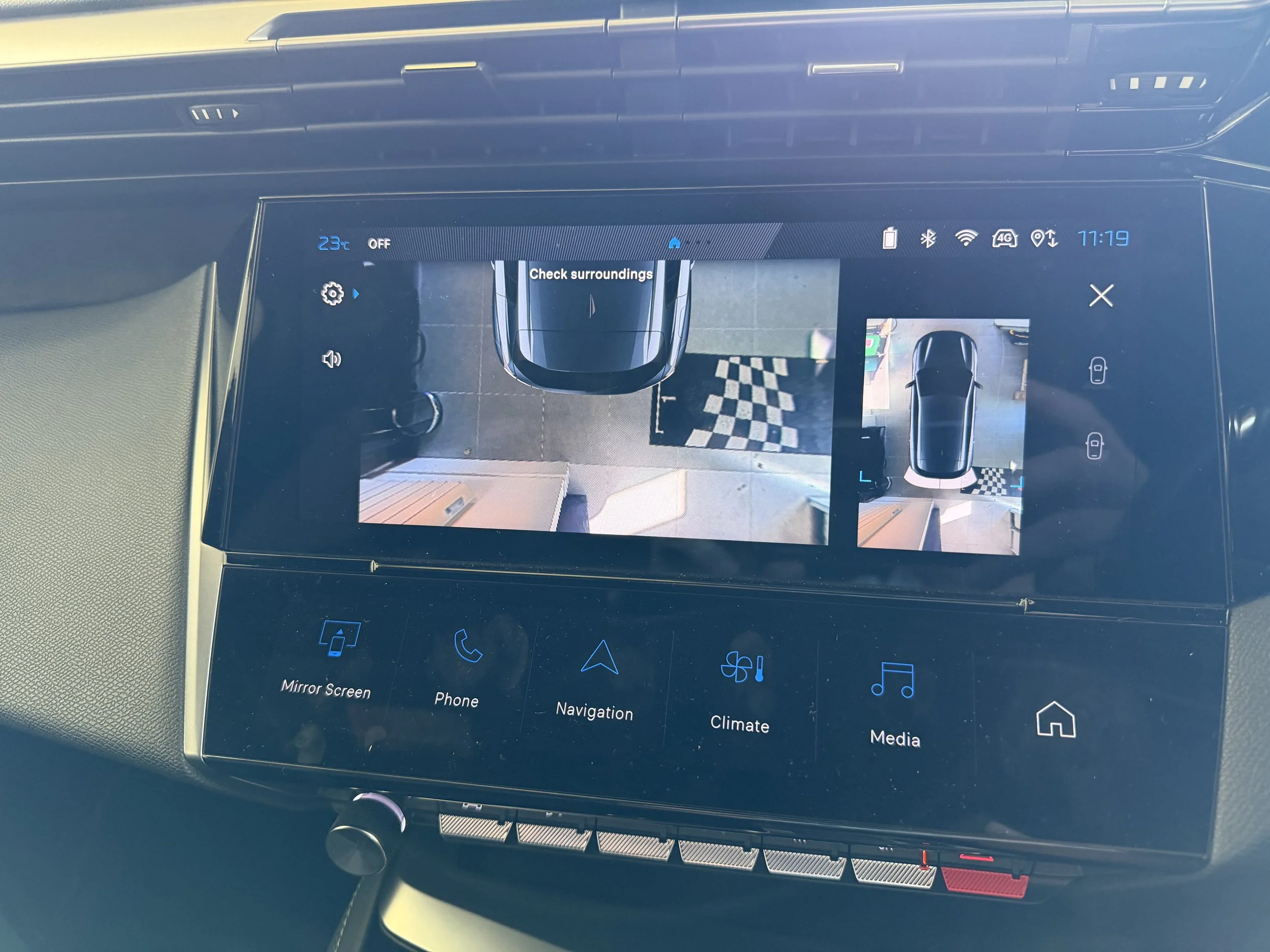
Central screen and ‘those’ buttons
There is a volume knob, which I guess is alright for the passenger- and a dedicated button for the rear & front demister, as well as one for fan on/off. You cannot use the switches to raise or lower the fan speed or temperature. That all still happens on the screen! A right mess and a waste of the buttons and I’d rather they didn’t bother with them.
Charging and the numbers
The Peugeot tops out at 100kW DC. Not groundbreaking. Just about acceptable if you are not public-charging much. 11kW AC as standard. Usable battery is 55.4kWh. WLTP range is 277 miles on this GT.
On mixed roads I was getting a fairly impressive high-threes to low-fours miles/kWh. Mostly in Sport. Call it roughly 205 to 225 miles in the real world and keep a bit in reserve. Efficiency is one of the things it genuinely does fairly well.
A heat pump is standard on the GT Premium and optional on the GT, so don’t assume every e-308 has one.
The e-308 GT is £31,495 after the government’s £1,500 Electric Car Grant.
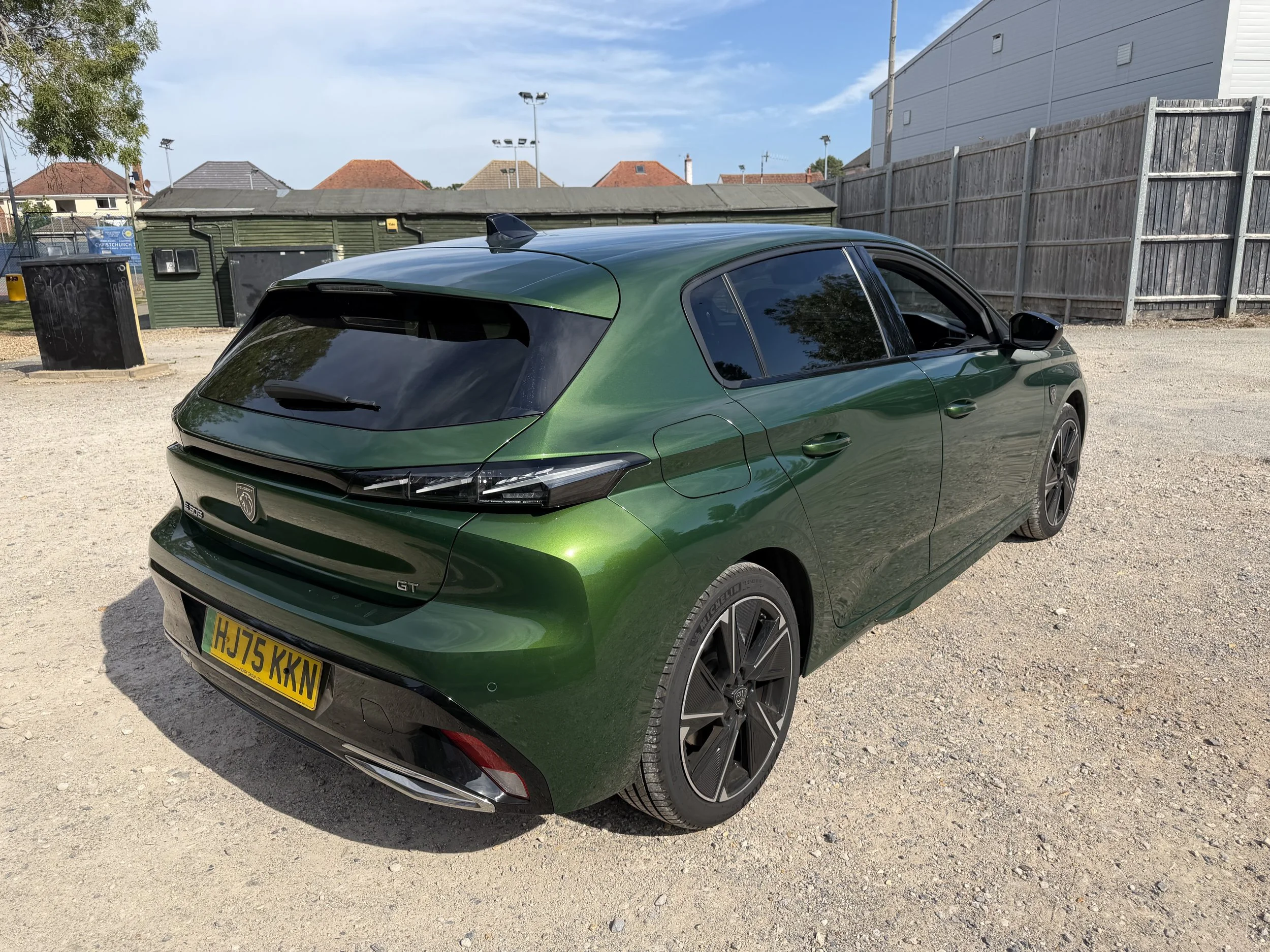
e308 rear view
So why would you buy one?
You might just want a 308. You might love the shape and looks. You might prefer those front seats and the way it rides and that tiny steering wheel and guages arrangement. You might be a ‘Peugeot Person’.
There is a slightly duller case as well. Peugeot’s warranty cover is long: eight years and 100,000 miles on the car as well as the battery. That will matter to some people more than a glass roof or faster charging.
All fair.
The other pesky Stellantis family new-upstart.
We’ve already had the rather impressive Leapmotor B05 on test. Same group (Stellantis has an 50/50 partnership with Leapmotor) and you will perhaps have seen a few Peugeot or Vauxhall dealerships have become Leapmotor. For £28,995 (after Leapmotor’s own £1,500 Leap-Grant) you get more power, rear-wheel drive, a bigger battery, 300 miles WLTP, 174kW charging, a glass roof and a lot more kit as standard. As well as vastly better rear legroom and a really rather good and modern UI and software that makes the Stellantis legacy models look antique.
I have reviewed that car separately so I won’t prattle on too much more about it here. The short version is that it feels like a 2026 EV. A very good one. The e-308 feels like a good old ICE car from a decade ago, with the engine taken out.
Both cars are under the same enormous Stellantis corporate umbrella, so there’s no fears about customer care and servicing etc.
Verdict
The e-308 GT isn’t a terrible car - it’s alright. It’s a pleasant, comfortable hatch that looks good and drives nicely. The front seats are excellent and it’s efficient At the new grant price it is no longer silly money, but you can spend the same on something quite a bit better.
At £31,495 it is up against the MG4, the ID.3, the Megane E-Tech and, in the same group, the B05. That last one is the problem Peugeot cannot shrug off. Same umbrella. Same dealership that is now Leapmotor. A car that already feels like this decade.
If this is all the old Stellantis platforms can do, they need Leapmotor’s architecture under the lion badge as well. And soon.
