
Hot on the heels of Honda’s funky little Super-N, Suzuki has news too!
There’s something rather appealing about small electric cars. Not every EV needs a 100kWh battery, 400-mile range and the footprint of a Range Rover. Sometimes, often even, a little car that is inexpensive to run, easy to park and perfectly suited to everyday journeys, makes far more sense.
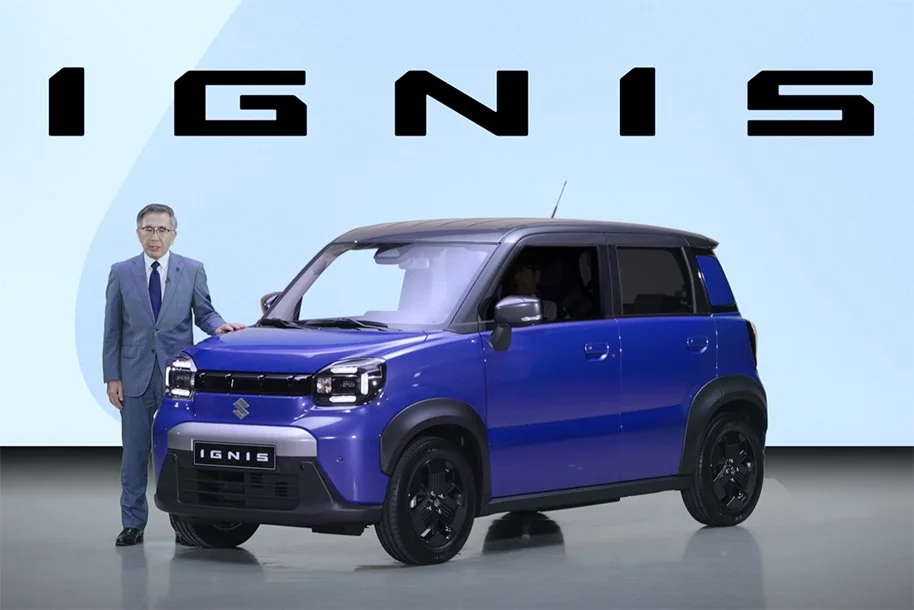
I have a Citroën Ami and a Leapmotor T03 myself, and my wife a Fiat 500e-so it’s fair to say I’m rather fond of the smaller end of the electric car market. Now Suzuki is joining the party with an all-new electric version of the Ignis, unveiled on 25 November. And this isn’t simply an existing petrol car with its engine removed. Suzuki has developed a dedicated electric car, drawing on decades of experience producing some of Japan’s smallest and cleverest vehicles. It’s the international version of the Japanese e-Sky kei car, adapted and mildly stretched for other markets.
But while we’re always pleased to see another small EV, we’re not entirely convinced this is one we’ll be rushing to buy.
A familiar name, a very different car
The Ignis name will be familiar to anyone who remembers Suzuki’s little petrol crossover. This new model is a very different proposition.
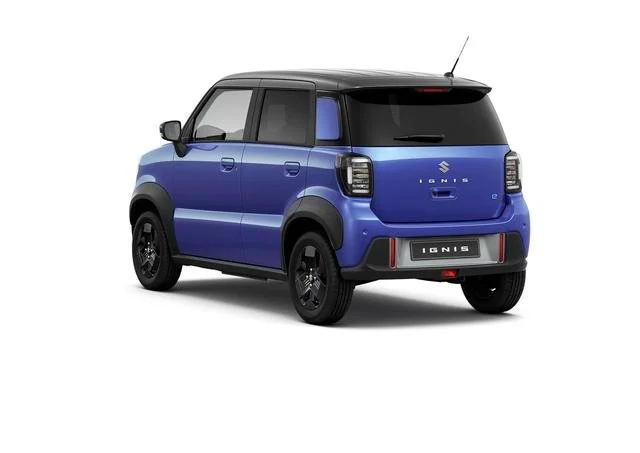
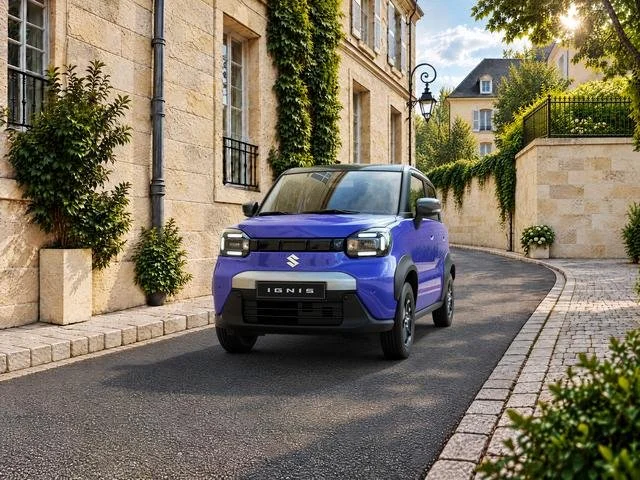
At just 3,570mm long, 1,565mm wide and 1,635mm tall, it’s genuinely tiny. For context, it’s even shorter than the Leapmotor T03 and a useful bit shorter than the new Renault Twingo. Despite those compact dimensions, Suzuki has managed to accommodate four occupants.
The styling retains an upright stance and short overhangs, with a floating roof and distinctive LED lighting. It’s recognisable as a Suzuki, although we have to admit we’re not entirely convinced by the design. In fact, I think the previous-generation Ignis was a much better-looking car. That little crossover had real personality. The new electric version is perfectly pleasant, but it feels more anonymous. I’d have liked Suzuki to retain a little more of that original design character.
What’s underneath?
This is where things get interesting. The Ignis uses Suzuki’s HEARTECT-e dedicated electric vehicle platform. Power comes from a compact eAxle that integrates the motor, inverter and reduction gears into a single assembly. It drives the front wheels and produces 67kW (91PS) and 133Nm of torque. That’s a useful step up from the kei-car e-Sky, which is limited to 47kW.
The battery is a relatively modest 26kWh LFP unit. Lithium iron phosphate chemistry is generally less expensive than some alternative battery technologies and offers good durability, which makes sense for an affordable small EV. It sits beneath the floor, helping to preserve cabin space and lower the centre of gravity. Suzuki also quotes a minimum turning radius of just 4.5 metres, which should make it particularly manoeuvrable in tight urban environments. Early reports suggest a kerb weight around 1,080kg, which is impressively light for any EV and a genuine advantage for efficiency and agility.
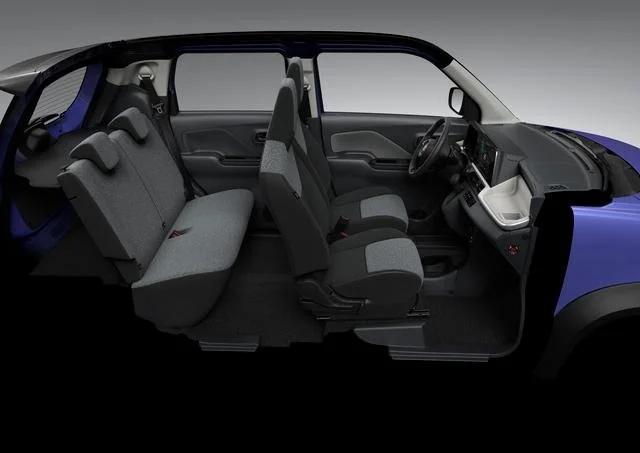
A surprisingly conventional interior
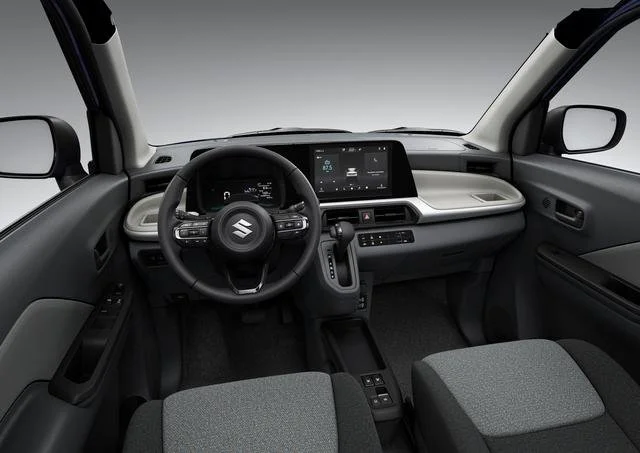
Rather than following the current fashion for removing almost every physical control and putting everything into a touchscreen, Suzuki has retained a more conventional approach. There’s a separate driver display and central infotainment screen, physical controls and, most noticeably, a rather substantial conventional-looking gear selector. That chunky gear lever looks rather old-fashioned by modern standards, and dare I say it’s somewhat out of place. Anyway, the dash features a rounded design that flows into the door trims, while a tray incorporates detailing inspired by pottery apparently. It’s a different approach from the increasingly minimalist interiors we’re seeing elsewhere. I quite like the idea of a small car retaining familiar, straightforward controls.
The specifications
Here’s what Suzuki has revealed so far:
Battery: 26kWh LFP
Motor: 67kW (91PS)
Torque: 133Nm
Drivetrain: Front-wheel drive
Seating: Four occupants
Length: 3,570mm
Width: 1,565mm
Height: 1,635mm
Wheelbase: 2,460mm
Ground clearance: 150mm
Turning radius: 4.5 metres
Suzuki hasn’t yet released official European WLTP range, consumption or UK pricing figures. The Japanese e-Sky uses the same battery capacity and has a claimed range of 310km under Japan’s WLTC testing cycle, but we shouldn’t assume that will translate directly into the European car’s WLTP figure. DC charging is expected to be available at up to 50kW, although we’ll await confirmation of the final European specification- but I’d expect around 140 miles WLTP.
The problem is going to be price
This is where we think Suzuki could have a problem.
Industry reports suggest the new Ignis could cost “less than £20,000” when it reaches the UK in summer 2027. That’s not an official price from Suzuki, but even at that level it faces serious competition.
The new Renault Twingo E-Tech has just had its UK price announced at £14,745, including the full £3,750 Government Electric Car Grant. It offers a 27.5kWh LFP battery and a targeted WLTP range of up to 163 miles. It’s longer than the Ignis, but that price is hard to ignore.
The Leapmotor T03 is currently advertised at around £12,995 with applicable promotional support. It has a larger 37.3kWh battery, five seats and a 165-mile WLTP range.
The Dacia Spring is another established competitor, with prices around the £12,000-£15,000 mark depending on version and current offers.
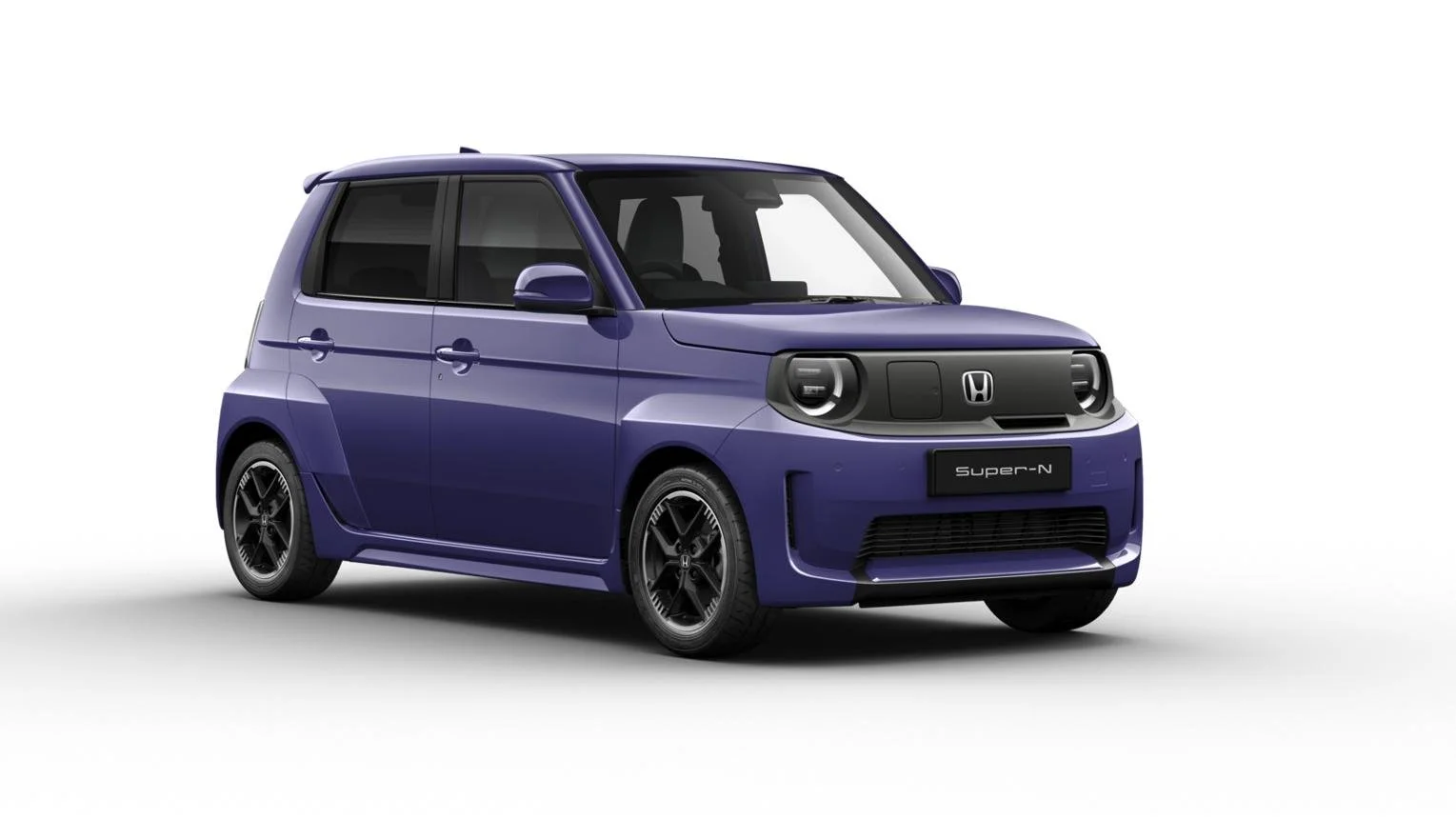
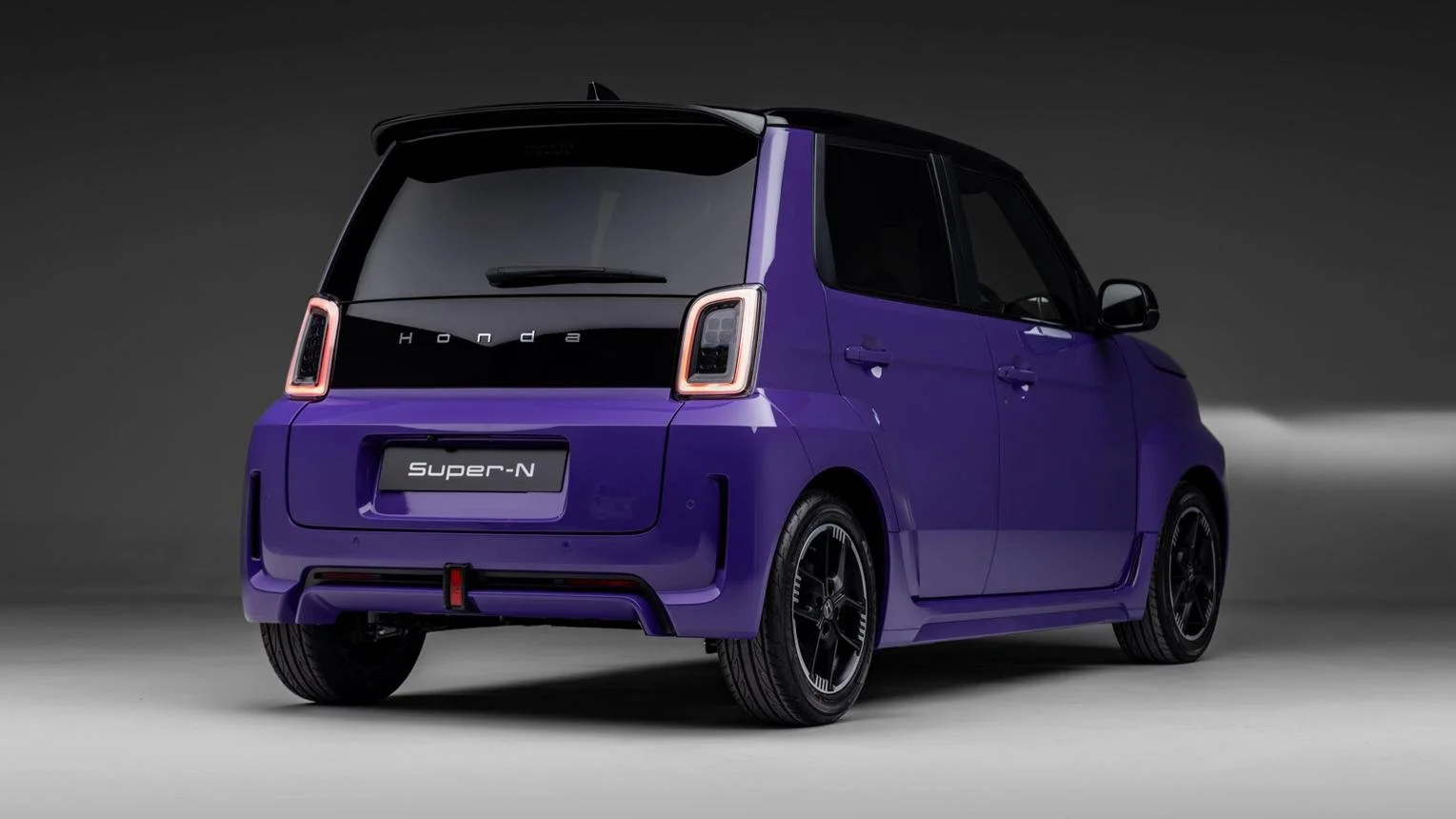
And then there’s the Honda Super-N.
It’s also priced at hefty £18,995, but it’s a rather different proposition. It’s cool, funky and full of character. It has a distinctive design, an entertaining Boost mode and the sort of personality that makes you want to get behind the wheel. It’s a car that feels like somebody has actually had some fun designing it, although it’s still far too expensive imho. The Suzuki, by comparison, looks much more anonymous.
There’s also the question of Government support. The Renault qualifies for the full £3,750 grant, helping it achieve that headline price. Suzuki hasn’t announced whether the Ignis will qualify, so we can’t assume it will receive similar support. If it doesn’t, Suzuki may have to rely on its own manufacturer and dealer discounts to remain competitive-and that’s a significant challenge.
Will we buy it? Do we even want it?
We really do want more small electric cars. The market needs them, and we think there’s a huge opportunity for manufacturers willing to build affordable, practical EVs without unnecessary size, weight and expense.
The Ignis has strengths. Its extreme compactness and low weight are genuine advantages. The package is sensible, and it comes with the reassuring backing of an established manufacturer- but the smaller battery, four-seat layout and rather less distinctive styling leave us wondering what its real selling point will be, especially if it lands closer to £20,000 than to the Twingo’s sub-£15,000 figure. The Honda Super-N is cooler and more characterful. The Renault Twingo has a very tempting price. The Leapmotor T03 offers an awful lot of electric car for the money.
If Suzuki can get the price somewhere around £14,000, we might be having a very different conversation. But if it’s heading towards £20,000, we’re not so sure.
We love little EVs. We own them, drive them and champion them. But that doesn’t mean we’ll automatically love every new one that comes along. So, Suzuki, will we buy your new electric Ignis? We’re not convinced just yet.
