
Round headlights, upright grilles, and three-box proportions are back. A walk around the 2026 Paris Motor Show - or almost any European manufacturer’s showroom makes it obvious: car design is once again flirting with the 1970s. The new Defender, Mustang, Renault 5, and even a reimagined 2CV all carry more than a passing resemblance to the cars your dad owned. Or, in the author’s case, the cars he owned.
But is looking backward a smart strategy for carmakers and indeed, buyers? Well, you can read on if you want, but the short answer is: It depends.
Most manufacturers prefer the term “heritage design” and perhaps that gives us the primary clue as to why they are doing it. It’s not simply copying an old car, the best examples capture the essence of a car - the proportions, character and key design elements of a classic while using modern platforms, safety structures, power-trains and electronics.
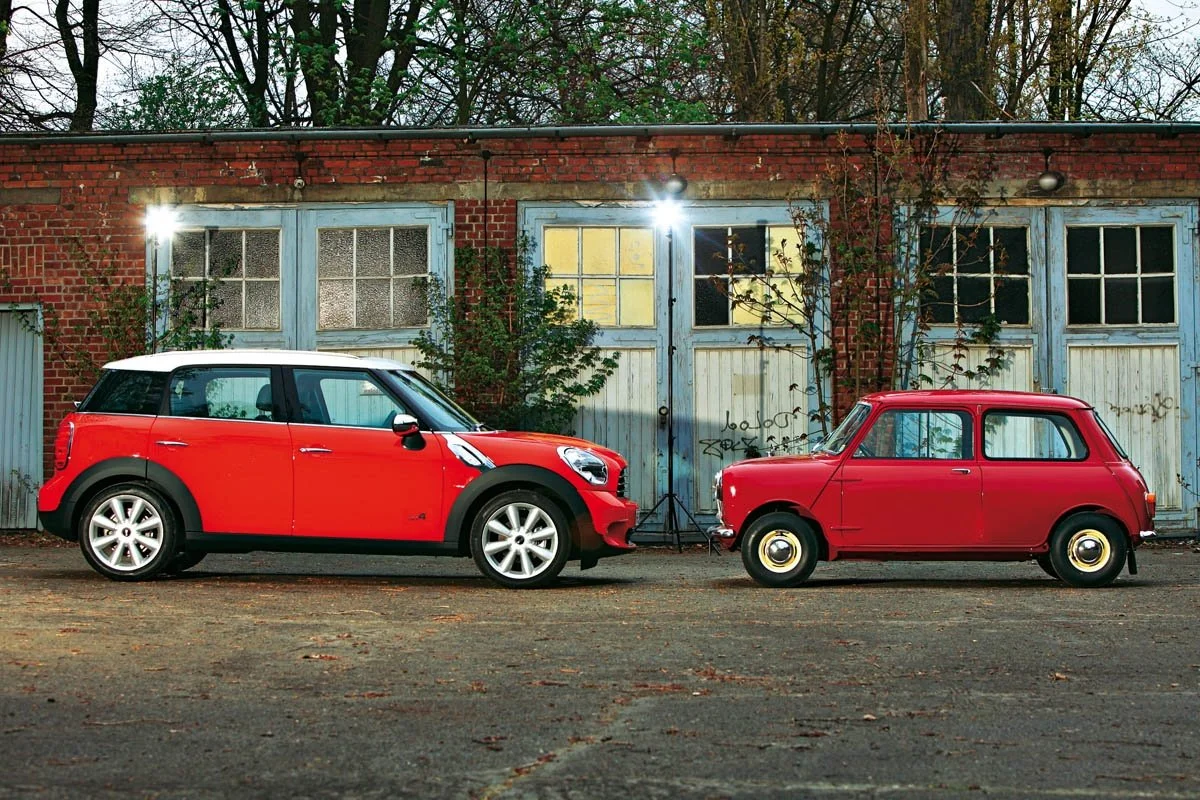
New MINI (note capitalisation of the BMW brand) isn’t all that mini compared to, erm, Mini. You can’t argue with the numbers though. MINI has been a clear commercial success for the Munich operation, retaining the classic proportions while using a modern platform — proof that heritage design can work when executed well.
That commercial logic was on full display at the Paris Motor Show, traditionally the centre of power for French manufacturers had a lot of models that had retro about them. In a surprising move to many, some Stellantis brands have really shown some individuality. Peugeot, Citroën, Alfa Romeo, FIAT and Opel have all moved beyond their well-earned reputation for dull badge-engineering. Many of the concepts on show leaned heavily on heritage - and looked more interesting for it.
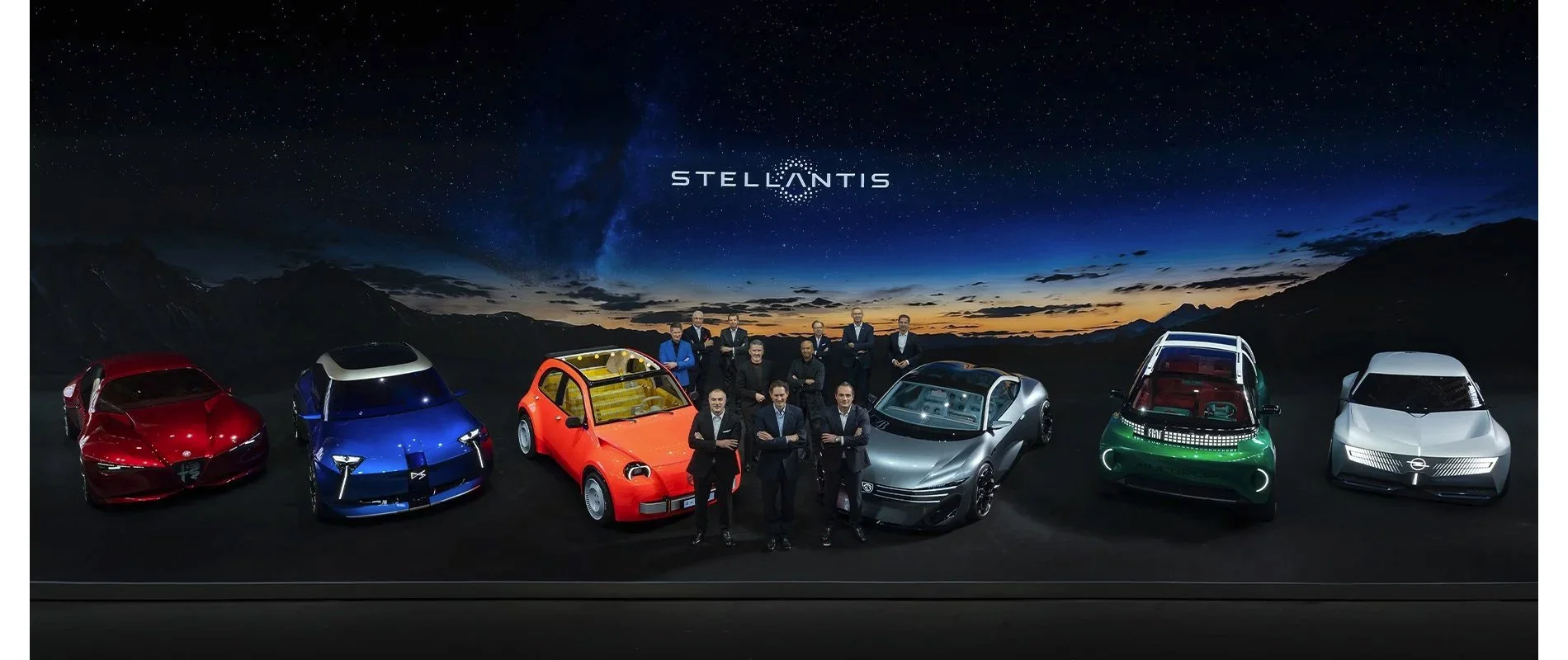
We know why they do this. Under pressure from Chinese manufacturers, the so-called legacy car makers can’t compete on price and have decided to sell cars to you via your parents. And the early signs are good - FIAT was taking orders for their newest cars at the show and reports are that they are very happy with their numbers. Chinese manufacturers have no heritage is the clear message and for now at least, it seems buyers are hearing it loud and clear.
Isn’t this short-termism? Many have cried, with some justification. Retro design can get old fast. Let us examine VW’s experience with Beetle. The first generation was a hit. One of many cars sitting on the A4 PQ34 platform, it was a relatively simple and cheap car to design and build and buyers went for the first new generation in 1997 in respectable numbers. But by the time the Cabriolet version rolled around in 2003, Volkswagen were selling but a handful. A facelift in 2011 made it look lardy and even less sold. How do you facelift a retro design? It ain’t easy, as it turns out.
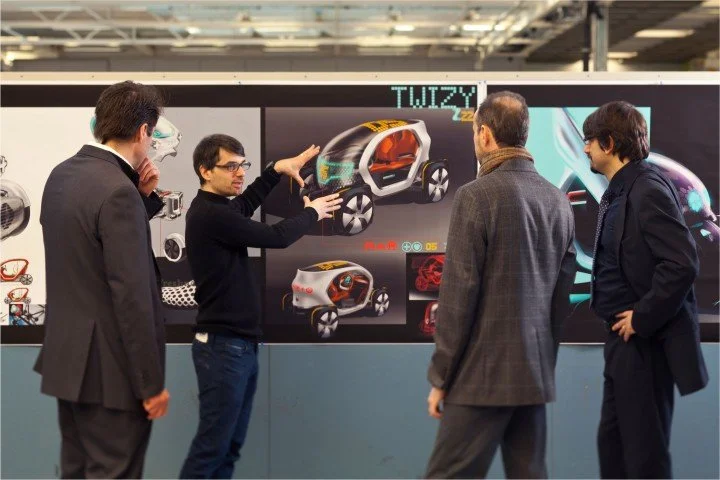
Is it lazy design? Many designers privately espouse this opinion. If every new model is a tribute, the industry stops generating the future icons. Ever more stringent safety and efficiency legislation make truly faithful recreations prohibitively expensive.
None of us are getting younger and young buyers don’t have the emotional reference points. How is a Renault salesman to lean into the R5 heritage when he’s selling to someone in their twenties? They simply want the best car without the aesthetic baggage.
Perhaps we should cast an eye over the Renault 5 E-Tech while it’s in our minds? It’s clearly inspired by the Renault 5 that ran from 1972 to 1996. It captures the spirit rather than surface details and the car underneath is genuinely a great drive, especially considering it is front-wheel drive. We’ll gloss over what it’s like in the second row of seats!
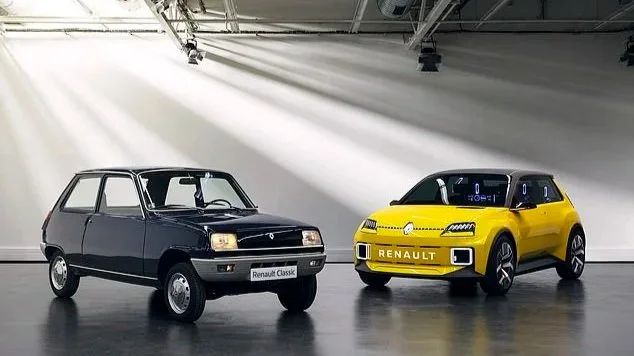
Will Renault be selling this car in twenty years? It’ll feel dated, for sure. Let’s remember, the original 5 wasn’t a particularly popular car back in the day. Renault has successfully elevated a car that, while moderately popular, was never regarded as a design icon, and turned its cues into a desirable modern product.
Retro car design is neither inherently good nor bad. Used well and sparingly, it generates emotional resonance, brand differentiation and sales in a market full of similar looking vehicles. The clever manufacturers will treat heritage as a base, a foundation, rather than a design endpoint. They then build something that works in the modern world. In an increasingly homogenised design-aesthetic car world, standing out will remain a viable and thus profitable way forward.
The real question isn’t whether looking backwards is forward looking, it’s whether the backwards-shaped car is still excellent when it arrives in the present.