The new petrol-powered Vauxhall Frontera - Its ………
Supergroups were formed in the music industry to unite the very best of talent from different bands to create masterpieces. None demonstrated this better than Band Aid, whilst others had huge success like the Traveling Willbury’s which brought the might of Rock ‘n’ Roll‘s elite together with George Harrison, Bob Dylan, Tom Petty, Roy Orbison, and Jeff Lynne.
The automotive industry took note of this blend of cross-group talent, and Volkswagen formed their own supergroup with their own brand joining Skoda, Seat & Cupra, Audi, Bentley, Porsche, Lamborghini and Ducati. Through their collaboration, Volkswagen Group’s strategy seemed to pull on the strengths of each brand to make truly compelling and desirable cars. It elevated Skoda, whilst Lamborghini became miraculously reliable, but no less desirable.
However, the story didn’t quite turn out that way for Stellantis. Formed from PSA (Vauxhall/Opel, Citroen, Peugeot and DS) and FCS (Fiat Chrysler) uniting 14 brands, many anticipated a supergroup that would out-supergroup Volkswagen, more akin to Band Aid vs VW’s Traveling Willbury’s.
Stellantis had some exceptional talent from Alfa Romeo, Lancia and Maserati to draw from for design inspiration and driving excellence. Other group brands such as Jeep and Ram could draw from their 4×4 talent pool, whilst Peugeot, Citroen and Vauxhall/Opel mastered mass manufacturing.
Stellantis should have taken the world by storm producing the very best cars in the world, given that it had some truly great marques in its garages, an enormous back catalogue of heritage and a new group-sized platform to reduce costs through synergies. But, what has happened since can only be described as - how shall I put this delicately - unexceptional.
And whilst I procrastinate thinking of things to say about Vauxhall’s latest offering, I note that in an era when the market is going nuts for compelling electric cars and plug-in hybrids, with the U.K. ZEV Mandate in full swing, Vauxhall has decided it needs more of a challenge launching a petrol-powered Frontera built on the group’s multifuel architecture during an oil crisis, whilst the ZEV Mandate ramps up EV sales to 38% in 2027 and 52% in 2028.
To load up on Vauxhall’s woes, Crude Oil prices are currently nestled around $105 per barrel (at the time of writing) with no signs of abating. That translates to a £76 fill up from £1.73 a litre at a “cheap” Supermarket petrol station. The timing of this launch could not be worse.
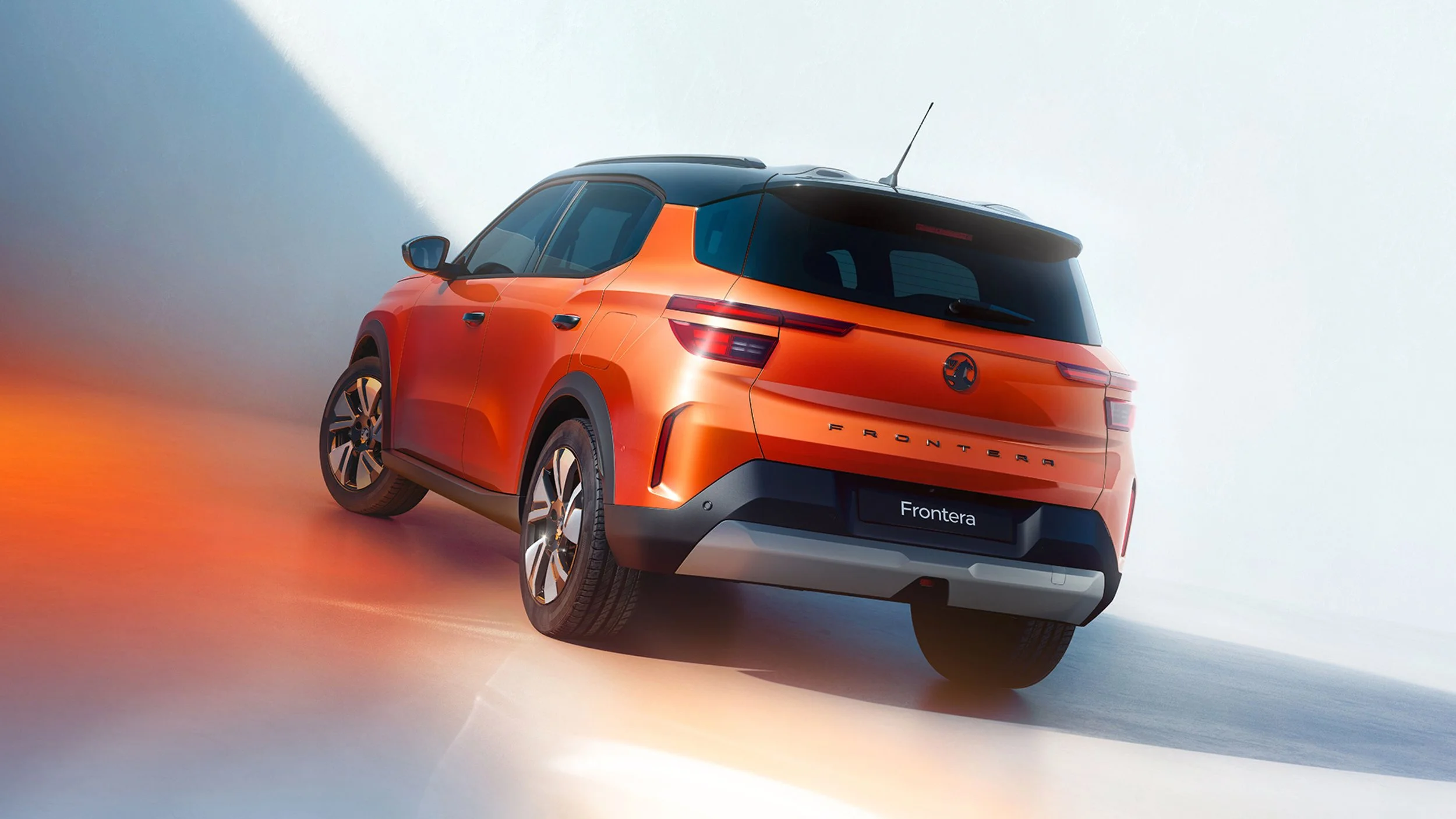
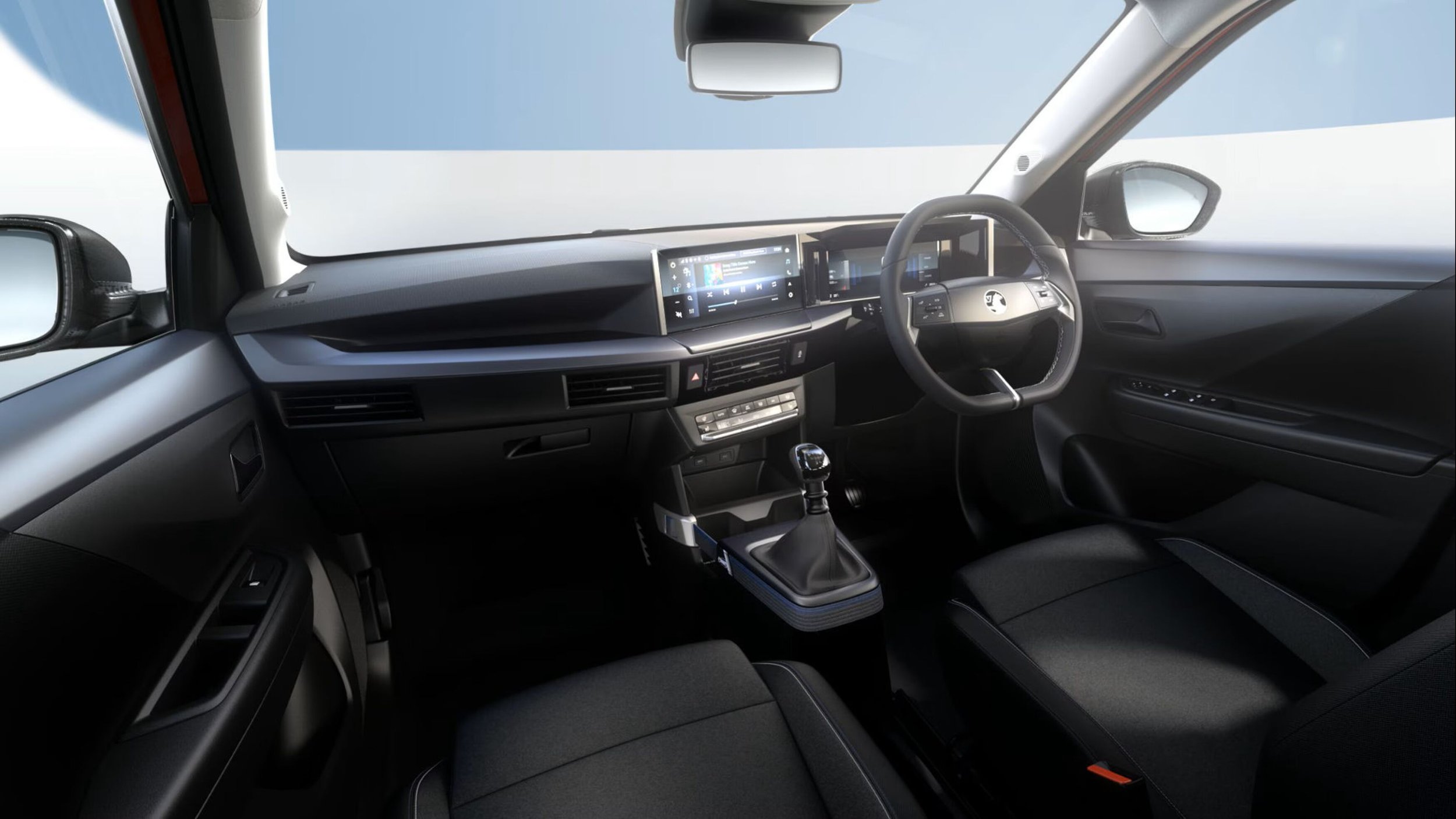
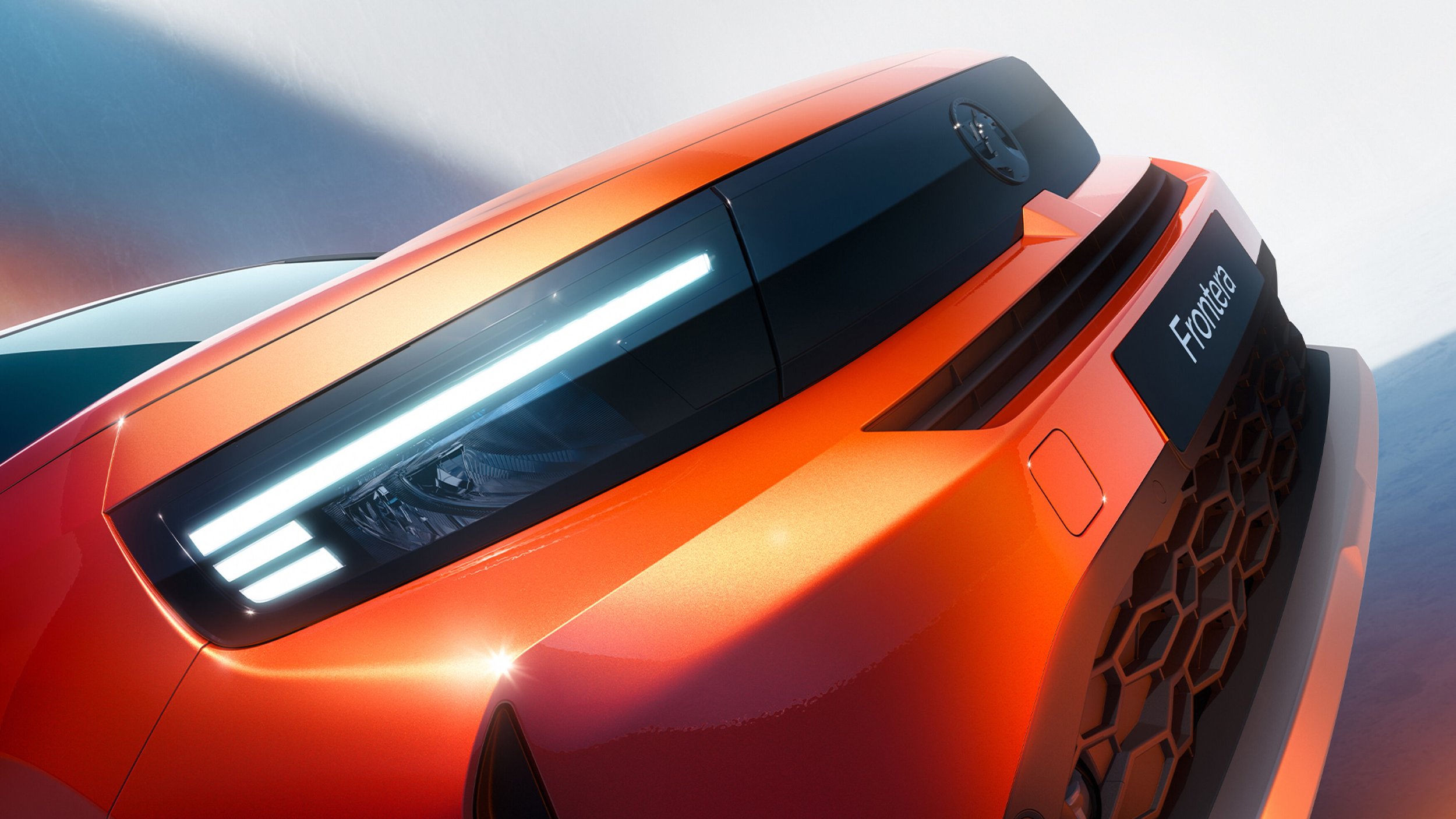
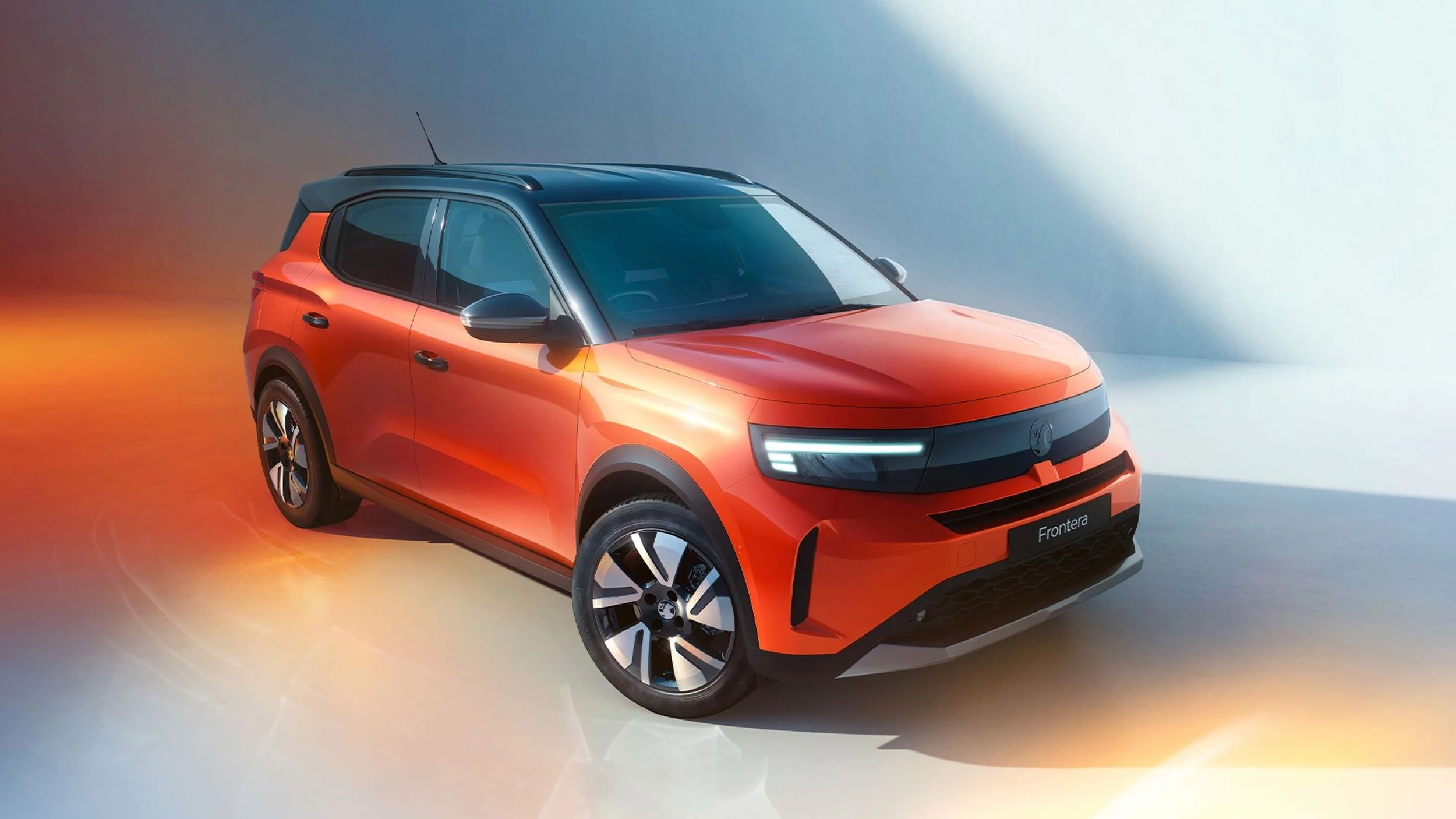
Vauxhall calls its turbocharged 1.2-litre, three-cylinder petrol engine “efficient”. I would call it slow, since it produces a lacklustre 100 PS and a wheezy 205Nm of torque for a mediocre 47.1mpg return on the WLTP combined test cycle. Mid-to-high 30’s are the most likely outcome when driving normally around town unless drivers have adapted their driving style to ‘Feather Mode’ during this oil crisis. In which case over 40 mpg could be achievable.
Acceleration happens eventually with the Frontera managing to stroll from 0-62mph in 12.4 seconds in five-seat configuration. Choose the 7-seat configuration (with the latter bench reserved for short children), and somehow the added weight of a 3rd row of sponge and fabric slows the car right down to 13.3 seconds for its 0-62 mph dawdle.
For those still reading, the Frontera starts from £22,820 OTR for the base Design trim. For that you get 17-inch alloy wheels, a 10-inch touchscreen with wireless Apple CarPlay™/Android Auto™, electronic climate control, Intelli-LED headlights (whatever that means), and driver aids such as a rear-view camera, cruise control, and speed sign recognition. I would honestly say this trim is the sweet spot for a car costing a smidge below £23k before options. Spend more, and the value fades.
But if customers must step up to the middle GS trim, that costs £25,220 but it does add shiny bits, such as a gloss black roof and matching gloss black wing mirrors. Customers also get posher Intelli-Seats (again, no idea what that means) for the driver and front passenger, satellite navigation (pointless with Apple Car Play and Android Auto), a wireless phone charger (good), and added driver aids such as blind spot alert, which in my opinion should be standard on all trims if Vauxhall values safety.
For an additional £800, the Ultimate includes a heated windscreen, heated steering wheel, and heated front seats, along with high-gloss black roof rails and LED front fog lamps.
None of the trim levels offer an automatic gearbox. So for those looking to make light work of heavy traffic, customers need to switch to the electric Frontera. If that’s not an option, automatic gearbox fans will need to look elsewhere.
Conclusion
There is little to get excited about with the Frontera. If I could sum this car up I would say it embodies and embraces a generic formulae. In culinary terms it’s water porridge made with tap water with warm tap water on the side in a world where people are tend to choose Eggs Benedict with a Pumpkin Spice Latte and a Bichon au citron on the side.
Desire, thrills and romance are not words you’d associate with this petrol-powered Frontera. It’s not a car where the owners will glance back after they park it. It will not be the pride of the road in driveway Top Trumps and neither will customers embrace enthusiasm when talking about their new car. And this last part is important, because despite all the marketing, and all the discounts Vauxhall might offer to shift this, it’s not a car that will spread joy to owners for them to recommend it to their friends, family and colleagues.
However, if you’re after affordable, honest, no frills motoring, and genuinely do not care one jot about your car, the Frontera will perform this remit admirably.