
AC Hysteria: My Experience Ordering a System in the UK
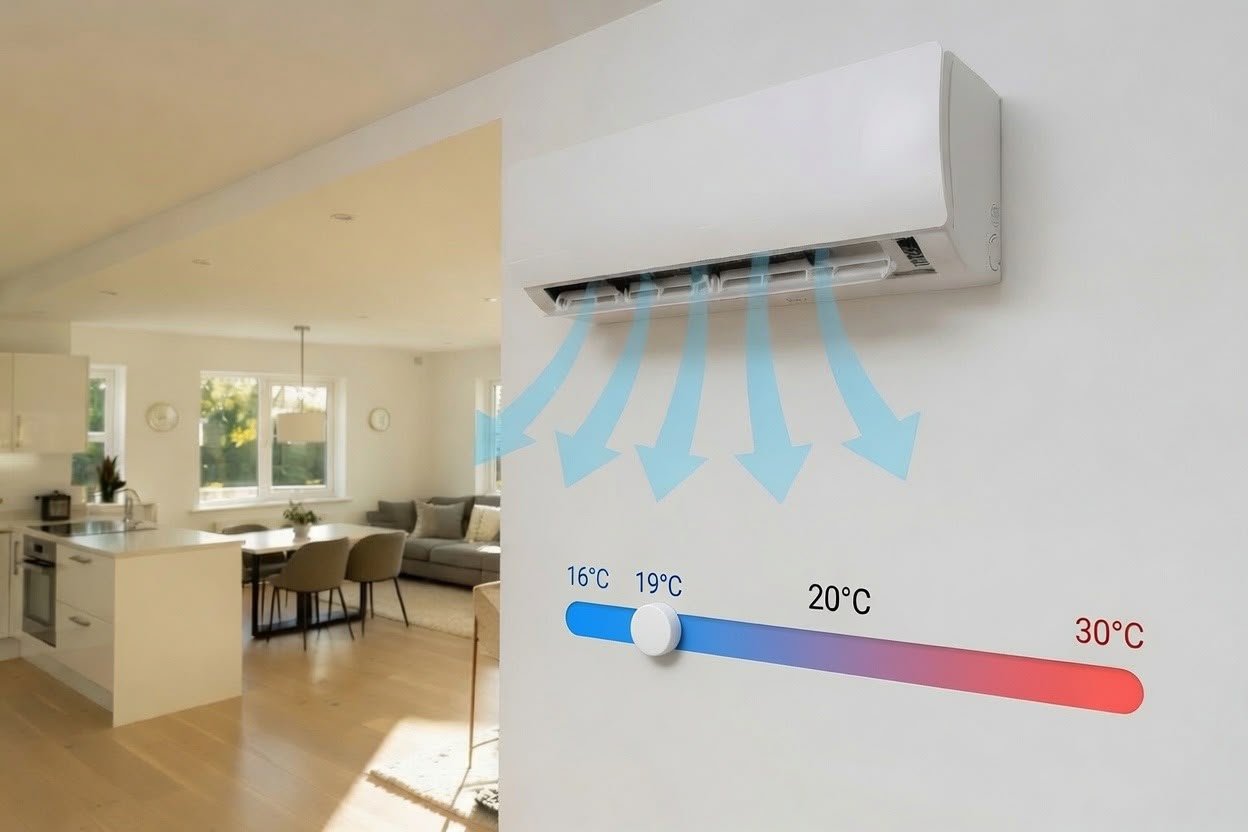
With temperatures smashing June records and the country sweating through another heatwave, there’s been a lot of chatter, and loads of FUD (Fear, Uncertainty and Doubt) spread about air conditioning including whether or not it’s even allowed in the home!
With some newspapers and TV news channels broadcasting stories of one example where someone was forced to remove their A/C, assumptions were also made to suggest that it was complex and difficult to navigate with customers ‘needing’ to circumnavigate all sorts of planning hoops and bureaucracy.
Well, the short answer to all of that is, you don’t, but we break it down so that you are better informed about what you can do, and what’s needed to get A/C in your home.
We decided that we had enough of the heat - as had Tesla the Dog - and we thought we would set about getting some quotes and exploring the options. We had thought about doing this for a few years - and started with a portable unit in the garage/home office - so I thought the time was right to take the plunge. Plus, the online nonsense claiming it’s difficult, heavily restricted, or basically impossible, or even banned in the UK spurred me on further. Here’s what I found out this week.
My Experience Ordering It
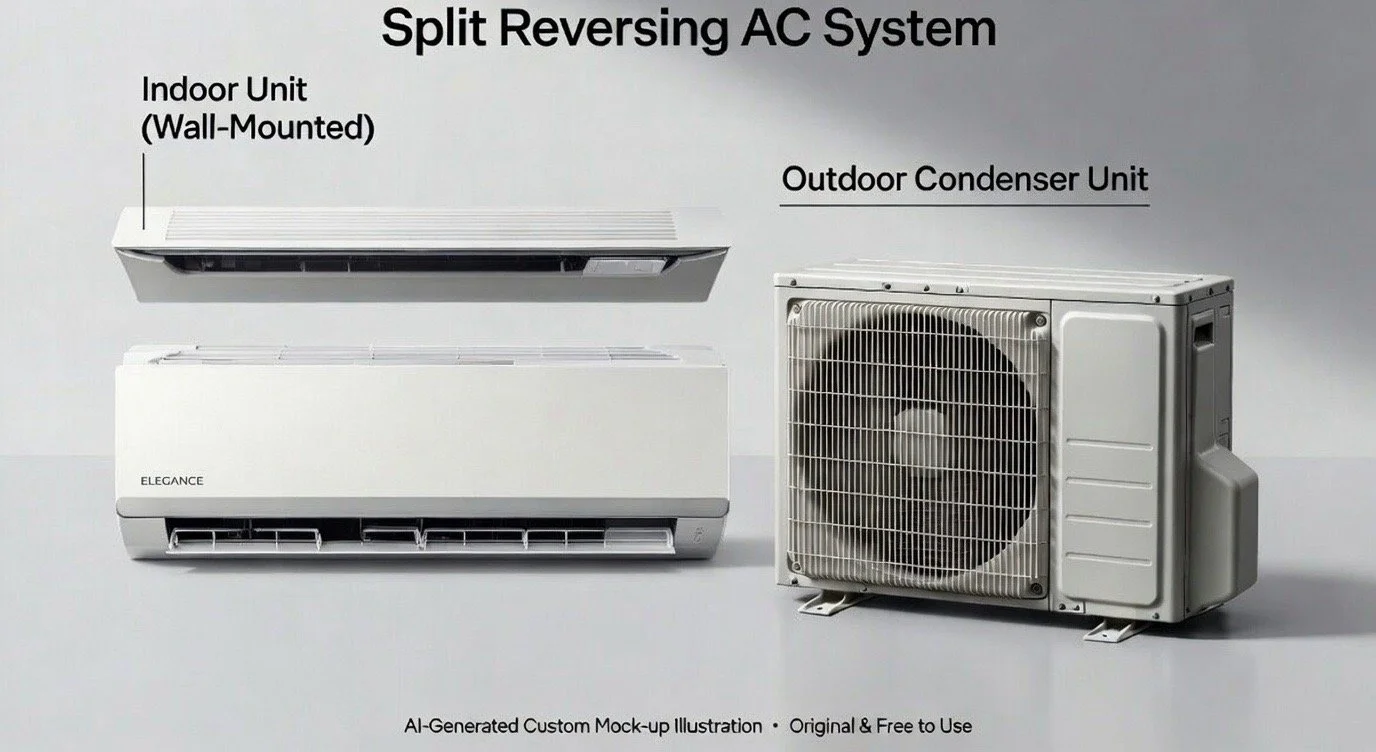
I contacted several companies for quotes on a split system (a reversible air-to-air heat pump that cools in summer and heats efficiently in winter). These consist of an outside condenser unit with a fan, and at least one inside blower unit. You can have multiple split inside units all connected via ducting. We just need one unit for the bungalow.
Every single company got back to me quickly. Even though they were all telling me just how busy they were and I got the impressions that demand has surged for home installed air conditioning.
Seemingly everyone is ordering aircon right now (and who can blame them), but the reality was zero drama. After telling them it was a bungalow/house, no one told me it was complicated, restricted, or that I’d need special permissions just to get a quote.
I got a few quotes and the timelines ranged mostly between four to six weeks for install. Some said maybe three weeks if pressed.
I eventually settled on one local company and he helped me with the hardware choices available. He said as ours was super straightforward and that he could fit it in in a couple of weeks.
So I picked the system, following his advice, and selected the 5kW Mitsubishi Elegance Electric and confirmed my order. And that’s it. Apologies for disappointing, but there was absolutely no drama, no bureaucracy, no form filling, no planning consent and it was about as straightforward as ordering a new boiler or electric shower.
Total cost of this more premium unit was £2200 fitted including electrical supply works.
The Planning Permission Myth vs Reality
As I alluded to, there’s been a lot of hysteria recently suggesting air conditioning is effectively banned or that you’ll need full planning permission for even a small domestic unit. The government had to step in on 25 June 2026 to clarify that this simply is not true. For most.
The facts:
Air conditioning can be installed in existing and new homes. In most cases for a standard house, no planning permission is required at all.
Reversible split systems (ones that do both heating and cooling like this one I’m getting) generally fall under permitted development rights- the same rules that cover air source heat pumps. As long as your installation meets some straightforward conditions, you can just get on with it.
Key permitted development conditions (England):
• The outdoor unit must not exceed 1.5 cubic metres in volume for a house (or 0.6m³ for flats).
• It must comply with the MCS 020 noise standards (modern units easily do this).
• It shouldn’t be installed on a pitched roof.
• On a flat roof, it needs to be at least 1 metre from the edge.
• For most houses, you can have one unit (up to two on detached houses) under permitted development.
• It must be sited to minimise impact on the appearance of the building and neighbours.
Recent rule changes (2025) actually made things easier by removing the strict 1-metre boundary rule that used to cause problems for terraced houses and small gardens.
Bottom line: For the vast majority of normal UK houses, a properly sized split system installed by a professional is permitted development. You don’t need to apply for planning permission.
When You Do Need Planning Permission
You will need to apply if:
• Your outdoor unit is larger than the volume limits.
• You want multiple OUTSIDE units beyond the permitted numbers, which is one condenser unit can run up to five inside units far as my research indicates.
• The property is a listed building or within the curtilage of one.
• You’re in a conservation area or World Heritage Site and the unit would be on a wall or roof that fronts to a road (or closer to the road than the building itself).
• You’re installing a cooling-only unit (reversible heat+cold systems have better permitted development rights).
• There’s an Article 4 direction in your area removing these rights (rare)
• The installation would have a significant visual or amenity impact.
Even then, many applications are approved as councils are supposed to and do, take a common-sense approach.
Why Some People Can’t (or Find It Much Harder)
Not everyone has an easy path. Here’s why:
• Listed buildings and strict conservation areas. These properties have strong protections on external appearance. Even if the unit is small and quiet, you may need listed building consent + planning permission. Some councils are very protective of traditional aesthetics.
• Flats and leasehold properties. Planning permission is often the least of your worries. You usually need permission from the landlord/freeholder or management company. Many blocks simply don’t allow external units. You can of course buy portable units.
• Very constrained sites. Tiny backyards, awkward access, or positions where the unit would be right next to a neighbour’s window can create practical or noise issues (even if it meets MCS standards).
• Cooling-only systems: These sometimes fall outside the easier permitted development rules for reversible heat pumps.
A Few Practical Notes
Modern inverter-driven systems - like the Mitsubishi I’m getting - are very efficient. They use far less energy than portable units that supply inefficient cooling. Because they’re reversible, you also get heating in winter with even distribution of heat, and many people find they reduce their overall energy use.
Costs vary depending on the size of the system, number of indoor units, pipe runs, and electrical work required. Expect to pay from £1500 up to several thousand pounds for a quality large multi split installed system. It’s an investment in comfort and efficiency rather than a cheap gadget.
There’s also now a £2,500 grant available through the Boiler Upgrade Scheme for eligible air-to-air heat pumps in England and Wales-worth checking if you qualify.
Professional installation is wise (F-Gas certified engineers are required for the refrigerant). Get a few quotes from MCS-certified installers and ask them to confirm permitted development compliance for your specific property.
Final Thoughts
The online hysteria doesn’t match reality for most people. Yes, there are rules, and they are sensible ones designed to protect neighbours and heritage. But for the majority of standard UK homes, ordering and installing a split air conditioning system is straightforward, legal, and super easy.
If you’re thinking about it, get some quotes and speak to local installers. They deal with this every day and will tell you quickly what’s possible at your property. Remember, they’re really busy BECAUSE they’re installing lots of aircon that’s obviously not banned or overtly restricted.
I’ll post a proper update once it’s fitted and running, including how it performs and what the running costs look like.
In the meantime, if you’ve had one installed (or are that very rare case that’s tried and failed maybe), share your experience in the comments. The more real stories out there, the less room there is for the nonsense.
Don’t let social media panic put you off, and most of all, stay cool.
Author
Newt is a lifelong car enthusiast and specialist in electric cars.
You can find Newt on𝕏 at @eV_Newt
