
EVs Were Tried at the Turn of the Century - And Failed!
We had electric cars over a hundred years ago, and despite being a topic of interest it’s an irrelevant observation. However, for their time, they were a remarkable achievement because we had zero emissions vehicles at the dawn of the 1900s.
My favourite museum is, amazingly, a private collection at the Louwman Museum in Holland, and if you ever get the chance to visit, I highly recommend it. This place has everything and it’s truly astonishing what is found in the collection, such as the Baker Electric Roadster and the petrol/electric hybrid from 1896 from Armstrong! Yes, you read that right - a petrol/electric hybrid!.
You will also find that they have quite a few super rare early electric cars, and even an original early charger!
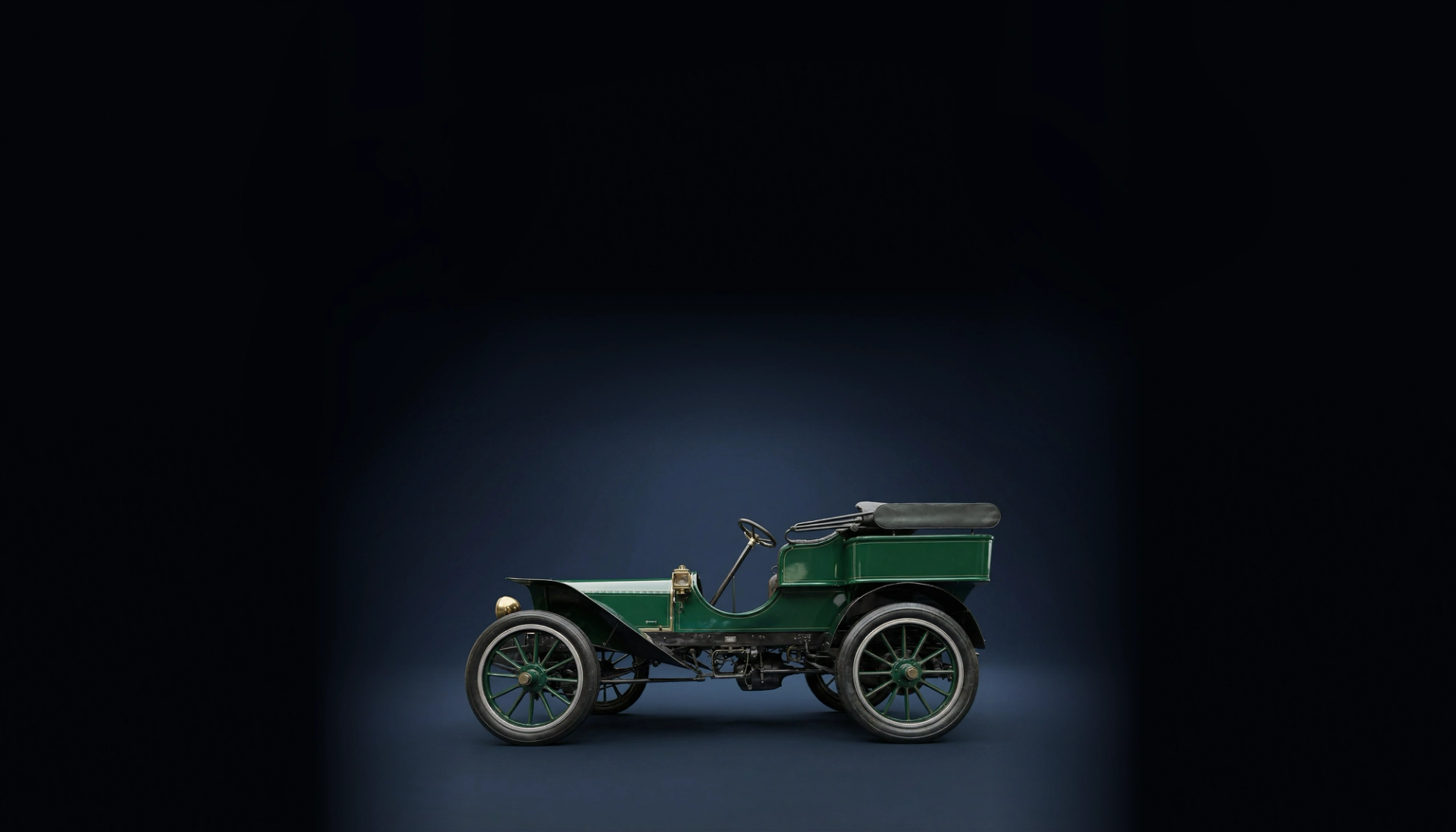
A 1908 Baker Electric Roadster from the Louwman collection
What is astonishing, is to learn that petrol/electric hybrids existed in the late 1800s, given that we’re so used to them being a 21st phenomena. What is evident from this is how pioneering early automobile manufacturers were back then by experimenting with new, and ground-breaking technologies.
It would have been super interesting to see what could have happened with a hundred year push of battery and electric motor tech, rather than the rise of the internal combustion engine. I mean, just look at what has been achieved in 15 years of modern EV development!
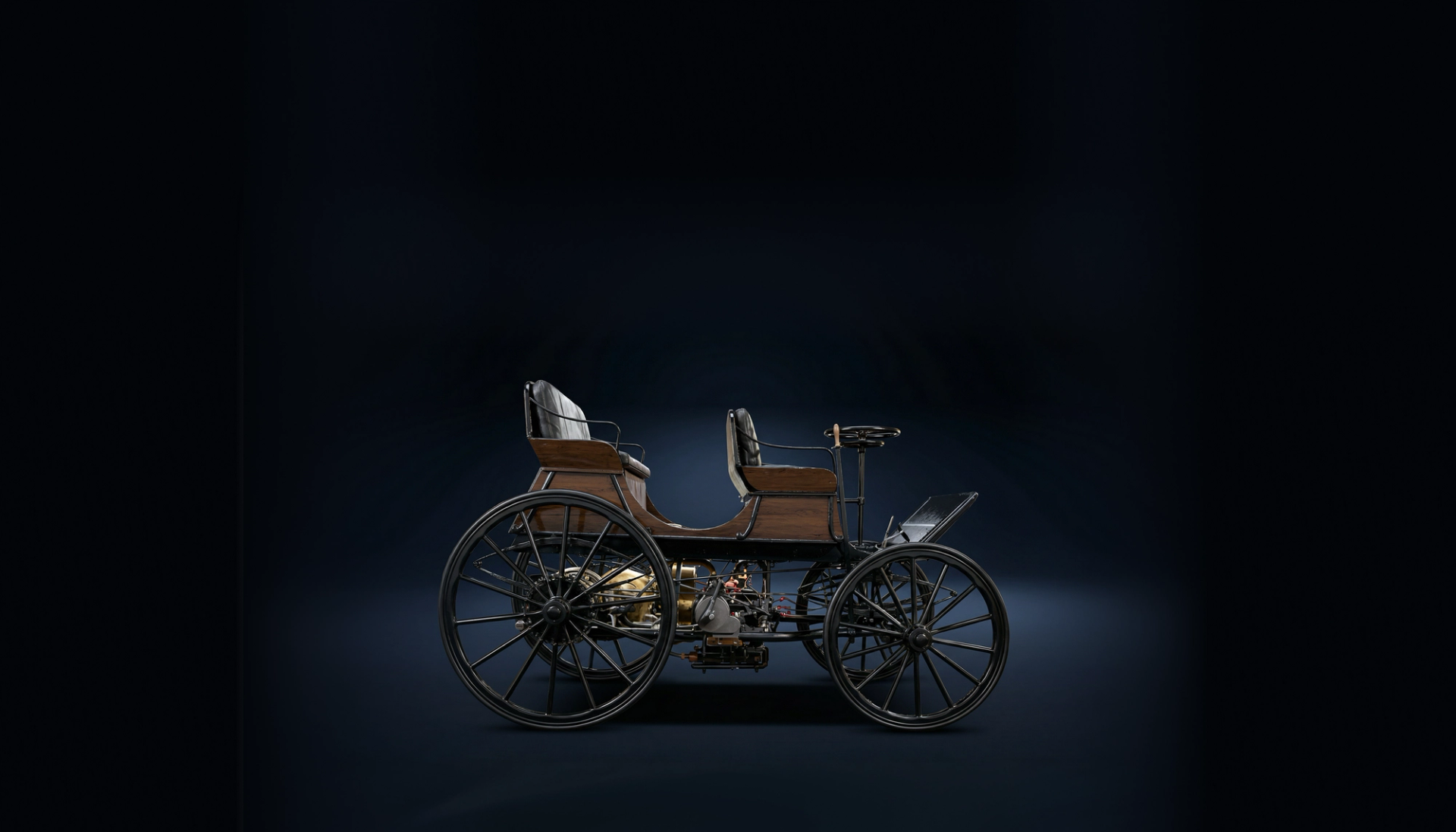
1896 Armstrong petrol/electric hybrid. Louwman Collection
Back on U.K. soil, I was at Beaulieu National Motor Museum last week for their ‘Simply French’ annual show. I took Buddy the Ami of course, for the 50 mile round trip.
On display in the museum were very early motor cars, as well as a plethora of vehicles that I’ve actually owned in my life, or that had been in regular mass use /owned by my parents and grandparents during my childhood. Now, in a relatively short time, these have all just become museum pieces.
What all these very early turn-of-the-century (a tad before my time) automobiles could do was pretty similar to what EVs do now - they were just used as cars, irrespective of whether they were battery powered, or powered by the newly-adopted combustion-juice, and even steam. They were essentially about the same, in fact the battery cars were arguably better early on, albeit it with one drawback.
Then the gap widened as they managed to ‘supercharge’ the hydrocarbon extraction and manufacturing process, with a particular nod to Henry Ford’s modern factory approach, plus the Rockerfeller’s control of the oil business, whilst battery tech due - in no small part to the manufacturing and resource limitations of the era - fell to the wayside.
Back then, batteries were big and unwieldy and were strung together with thin wires, and the limiting factor was electricity in homes and buildings was in its infancy, meaning the network of distributed energy was not built to satisfy longer distance driving, let alone power towns and cities. Electric cars were therefore way ahead of their time, utilising a new energy source and a brand new technology.
The leap to today via the Industrial Revolution to the silicon chip, right up to modern manufacturing processes is quite frankly, something that a person from two hundred, even a hundred years ago would struggle to comprehend. Just look at the ‘phone’, the device I’m writing this piece on. Can we compare this to a morse-code tapper or the telegraph? Yes, but only very tenuously.
We now have a super-abundance of electricity that’s available up and down the country, so we no longer need to hold on to old, polluting tech for vehicle propulsion. The Newspaper, VHS recorder and even ‘Tivo’ type boxes, CD’s etc served a purpose, but ultimately have become obsolete and died off thanks to the internet and smartphones.
We’re simply moving forwards, resurrecting a technology too advanced for its day, whilst bringing it into the modern, connected, smart technologies of the 21st century.
What we now consider to be classic cars, are shifting left to join the ‘vintage status’ of this Columbia Electric on show here at Beaulieu. Kids of today will visit here 50 years from now and perhaps stare at a Bentley Bentayga, or a diesel Nissan Qashqai as I did at a lovely 60’s VW Beetle. They’ll also be staring at things like a Classic BMW i3 with similar feelings to how we now look on that 1901 Columbia Electric.
Fossil fuelled cars are now simply becoming obsolete, and rapidly moving to being ‘classic’ cars.
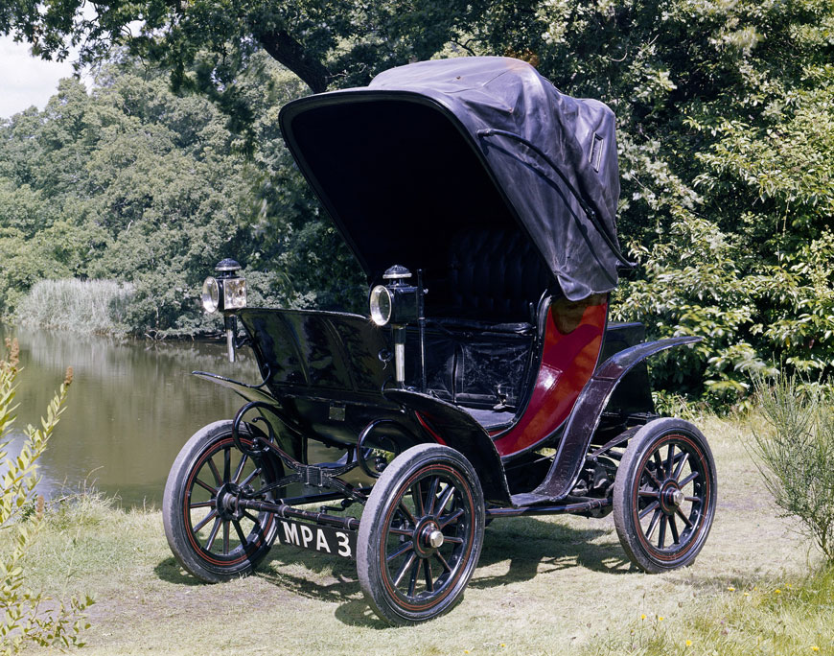
Columbia Electric, 1901
The Columbia Electric from 1901 is a part of the collection at Beaulieu Motor Museum located in Beaulieu, Brockenhurst.
The museum is owned by the Montagu family, with Ralph Douglas-Scott-Montagu, the 4th Baron Montagu of Beaulieu, as the head of the family.
Will the internal combustion engine disappear overnight? No, not in our lifetime, but they will certainly slowly disappear and become curious, or something for hobbyists, with the interesting, weird and wonderful being celebrated, as they should.
We should reflect on how the internal combustion engine technology changed society for the better, bringing friends, family, colleagues and businesses closer together, even roaming from country-to-country, or simply packing a car and taking the family to the seaside for a holiday. It supercharged how goods and services were delivered, bringing more products to more towns and cities. It’s been nothing short of a revolution.
We can no more compare a modern EV to anything from a hundred (or even 30 years ago) than we could compare a modern fossil car to one from the 50’s. Electric cars are the next phase in mobility, doing all of the above, whilst consuming significantly less energy and leaving the air that we breathe a lot cleaner.
