What if I Can’t Afford a New or Nearly New Electric car?
With so much choice in the electric car market - with nearly 170 new models on sale - the used EV market has also grown considerably, too. In fact, there has never been more choice available than as there has been now.
So is it a good time to consider buying a used electric car?
EVs have been mainstream for over 14 years since the Nissan Leaf arrived in 2010. The Tesla Model S followed not too long after that, as well as the Renault Zoe and BMW i3, plus there are many great EVs that arrived throughout the 2010’s.
As a used car dealer we buy and sell good quality cars (EV and Ice) from around £3,000 up, with plenty of excellent daily drivers in the £5k–£12k bracket. But, a used EV represents amazing value for money when compared to an equivalent internal combustion car (ICE). For example, EV’s have a cleaner fuel, there’s no oily bits, there’s not much that needs servicing, they’re often quicker, and quieter, and they’re much more reliable thanks to thousands of fewer moving parts.
Is a high mileage EV going to have much more degradation?
The simple answer is no. There’s not as much as people expect and studies show younger high-mileage cars can sometimes beat older low-mileage EVs with minimal degradation. Heavy use adds only a modest extra ~0.8% per year in many cases.
Modern EVs also have unused upper and lower hidden software buffers that are typically 3–5%+ at the top and more at the bottom, with a few high-end cars with much larger buffers. Early degradation often eats into these hidden reserves first, so your displayed range stays stable and real-world usable range holds up better than raw degradation numbers suggest. This is especially noticeable on Kia and Hyundai models with generous buffers that help maintain consistent performance.
What about the Battery?
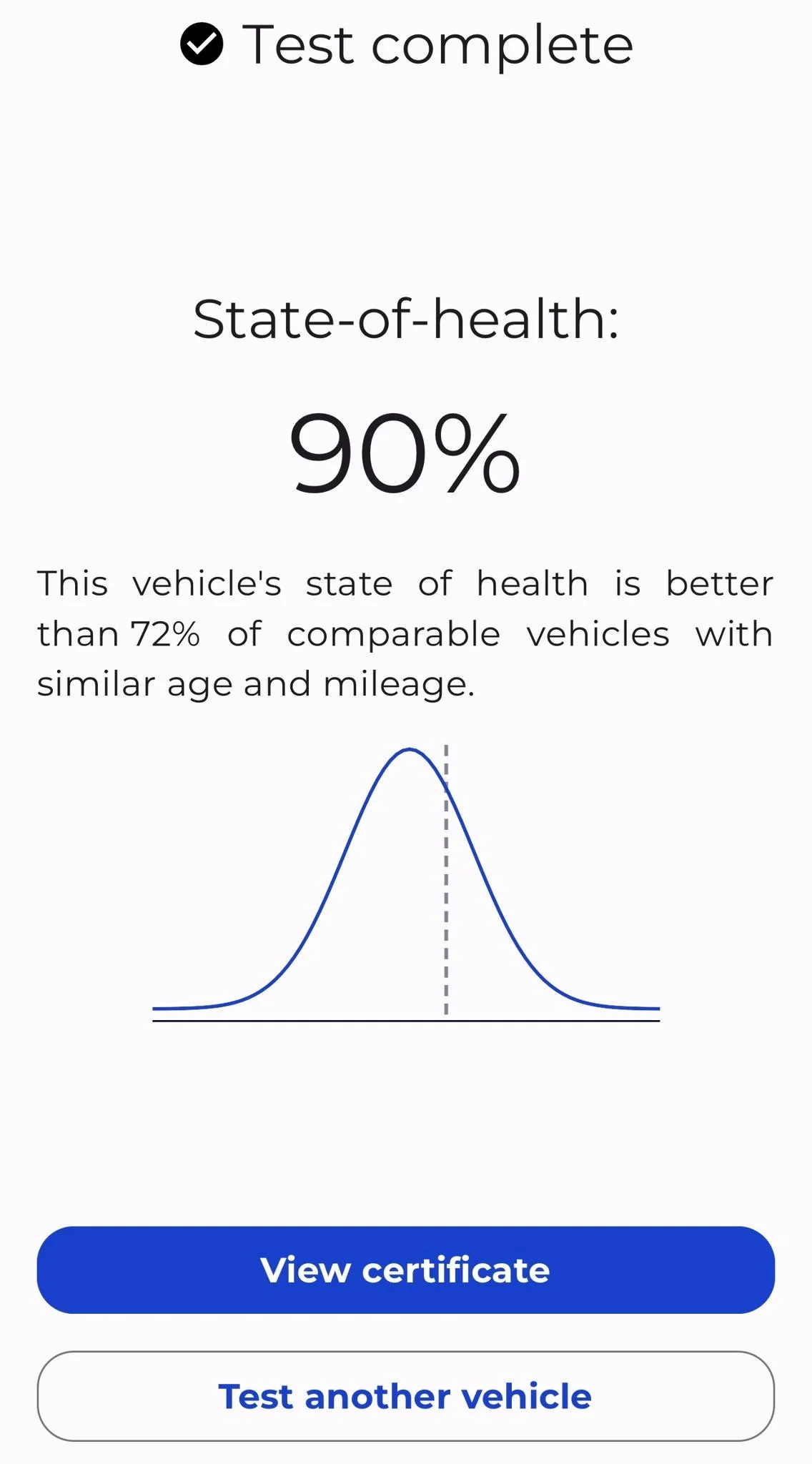
State of Health Report
Battery degradation isn’t the problem many think it is, or will have you believe. Large accumulated datasets are now available that show average annual losses of around 2.3% - and that plateau’s over time - so most keep 80%+ battery capacity even after over a decade.
High-mileage cars (100k+ miles) often return 88–95% SoH and mileage isn’t the main culprit, but charging habits, temperature and age can matter more. Early Leafs (passive air-cooled with no thermal BMS) are the notable exception in hot or overcharged conditions, but later models - and most other brands - have a liquid-cooled and heated battery thermal management system that’s dedicated to managing the battery’s health. And they do the job amazingly well.
I would recommend always getting a proper State of Health (SOH) report / health certificate and test the car with a spirited test drive to ensure there’s no sudden range drop-off.
If you’re buying from an EV from a good and honest dealership they will be able to provide a SOH on request. Some will proudly display it as a part of the sales package, too.
Warranties are often long and still active with all manufacturers required to provide an 8 year battery warranty, marking them out as exceptional when compared to warranties commonly found on internal combustion cars.
But who can service or repair my EV?
The main dealers can provide servicing for their electric cars, as well as a growing number of HEVRA garages (Hybrid an Electric Vehicle Repair Alliance). There are mobile companies such as the excellent Cleevely EV who will service/repair your car on your driveway, or work premises, and are now offering a nationwide service.
Servicing an EV is usually much cheaper than ICE cars, so a used EV can deliver outstanding value and substantially lower the cost of ownership.
When Might an EV Not Be Cheaper to Run?
For the majority- especially with any home/work charging access and or smart public deals /subscriptions EVs win on running costs and overall TCO.
Even super high-mileage drivers (20k–40k+ miles/year) using optimised public charging like Be.EV Mega (~11p/mile) or Tesla deals beat efficient diesels (14–18p/mile). That’s £750–£1,750+ annual fuel savings at 25k miles (before the tiny sub cost). Higher mileage widens it, plus lower maintenance and reliability help further.
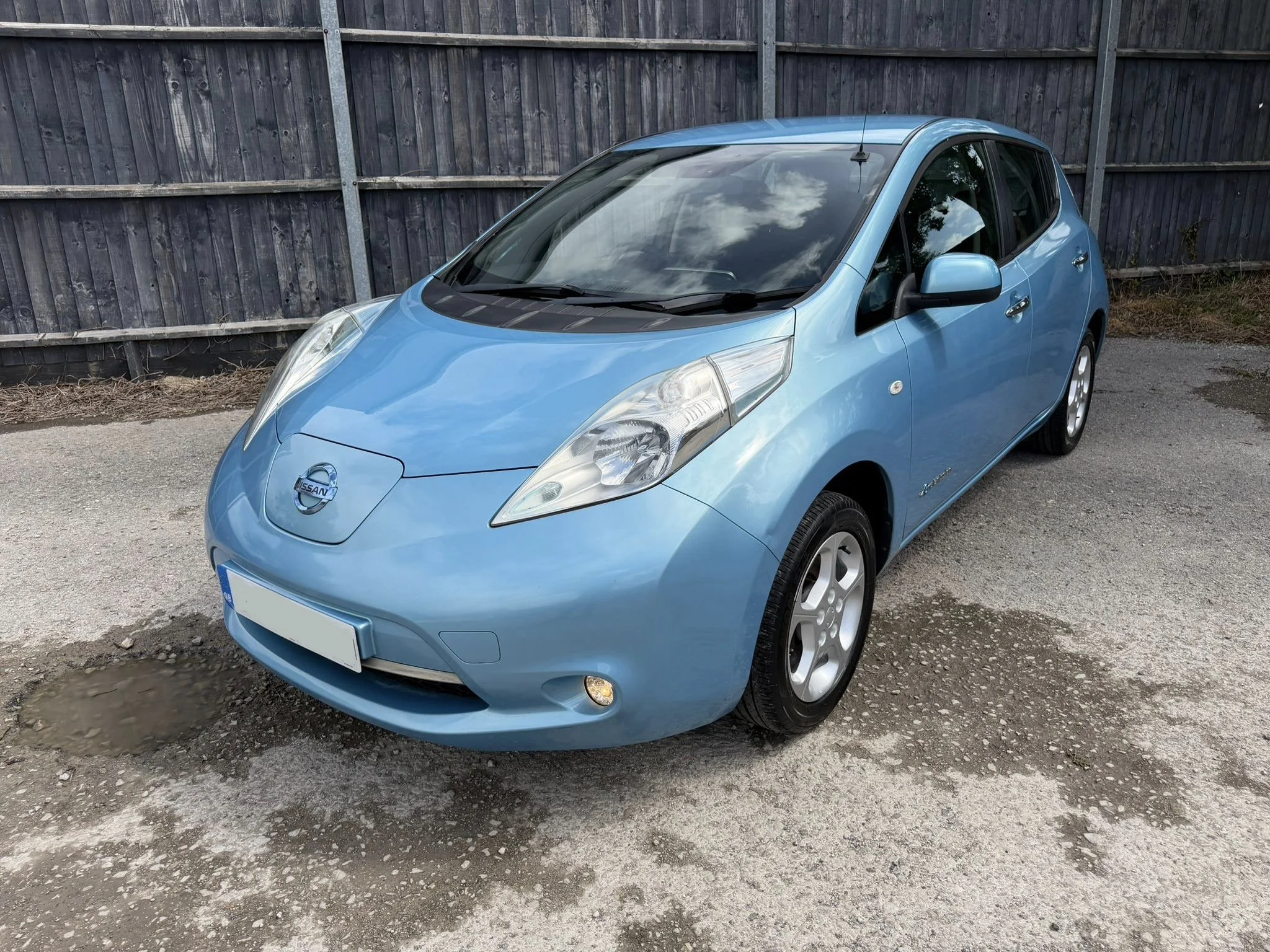
2016 Nissan Leaf
Author
Newt is a lifelong car enthusiast and specialist in electric cars.
You can find Newt on𝕏 at @eV_Newt