
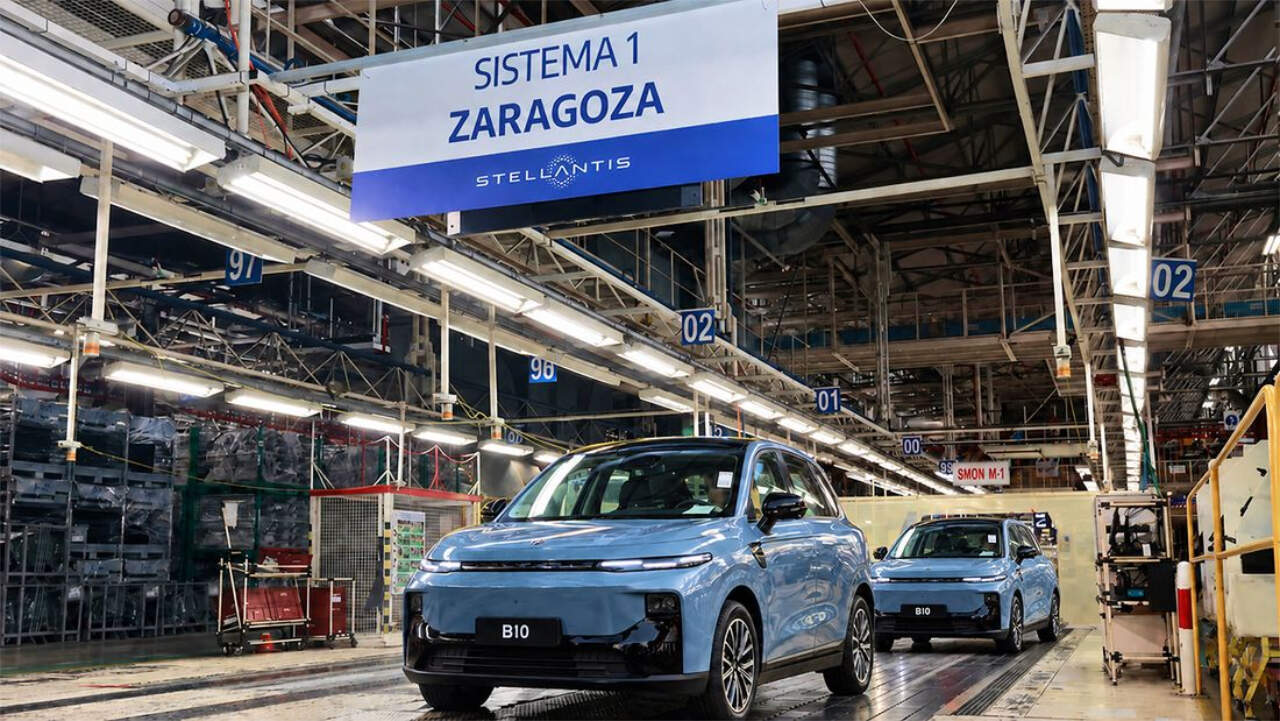
The joint Stellantis/Leapmotor European venture, has just started building the new (it’s rather good btw) B10 at Stellantis’ Spanish plant in Zaragoza-on a line that already produces the Opel Corsa, Peugeot 208 and Lancia Ypsilon. Chinese technology, European final assembly. And this is rather interesting. And here’s why:
At the same time, France and Germany have offered Britain a route into the EU’s new “Made in Europe” club which gives perks and with it, ‘rules’ for the car industry. The condition is that the UK matches the EU’s tariffs on Chinese electrified vehicles. Those tariffs add extra duties of up to 35.3% on top of the normal 10%, taking the total close to 45% for the highest-rate brands. And we are not even getting China’s best offerings yet.
The UK currently applies only the basic 10% tariffs on Chinese brands, which took 23.3% of the UK new-car market in September. BYD finished second overall behind Volkswagen. The Jaecoo 7 was the best-selling model of any brand. Buyers have been choosing these cars because they undercut the established players on price while delivering decent quality, range and kit. Matching the EU tariffs would push those prices up.
The price of joining
If Britain joins, cars built at plants such as Nissan in Sunderland and Jaguar Land Rover become eligible under the scheme. They can qualify for EU public contracts and fleet purchases restricted to “Made in Europe” products, and the factories can access certain EU industrial subsidies instead of being locked out. It removes the risk that UK plants sit at a disadvantage when public money and contracts are awarded.
The cost is higher prices on the Chinese models a lot of British buyers are currently choosing, the possibility of retaliation from China against UK exports, and less freedom to set an independent tariff policy. The government has so far left the door open on higher duties while saying decisions will be “based on the UK’s interest.” The alternative being floated is that the UK joins this arrangement or faces similar barriers on cars built here.
The price of staying out
If Britain stays out, the 10% rate remains and there is no immediate price jump on popular models. Chinese brands can continue competing on the terms that have driven their rapid growth in the UK. The government keeps the ability to set its own tariff policy rather than aligning dynamically with whatever the EU decides next. It also avoids the risk of Chinese retaliation that could follow a sudden increase.
The downside is that UK-built cars risk exclusion from those same public contracts, subsidies and schemes. Plants such as Nissan Sunderland and Jaguar Land Rover would be at a disadvantage against factories inside the arrangement. Investment decisions could cool if manufacturers judge that Britain is locked out of the European industrial framework.
Does local assembly change the picture?
Stellantis is already partnering with Leapmotor rather than simply trying to keep the China out. That ~50/50 Leapmotor Europe venture is certainly producing cars that are much better than the multi-fuel platform (ahem) efforts Stellantis has put out on its own up until now. Some models, like the new B10, are being built in the EU. Chery, the group behind Omoda and Jaecoo, has been talking to Nissan about using spare capacity at Sunderland plant to get Nissan to make some of the Chinese models there for them. Somewhat ironically, VW are considering bringing some of their China-built, (currently China only) models to European markets. They are also looking at bringing Xpeng’s software platform to its European cars.
Renault this week said they would not be entertaining any China collaborations in Europe as they don’t really have any spare production capacity. They do however have a tie up with Geely elsewhere in the world ironically- Korea and Brazil being two markets, plus a combustion engine partnership elsewhere.
Local assembly brings jobs, investment and can help local suppliers. It may also help dodge pure import tariffs. And China may push back on that route if tariffs become the main tool.
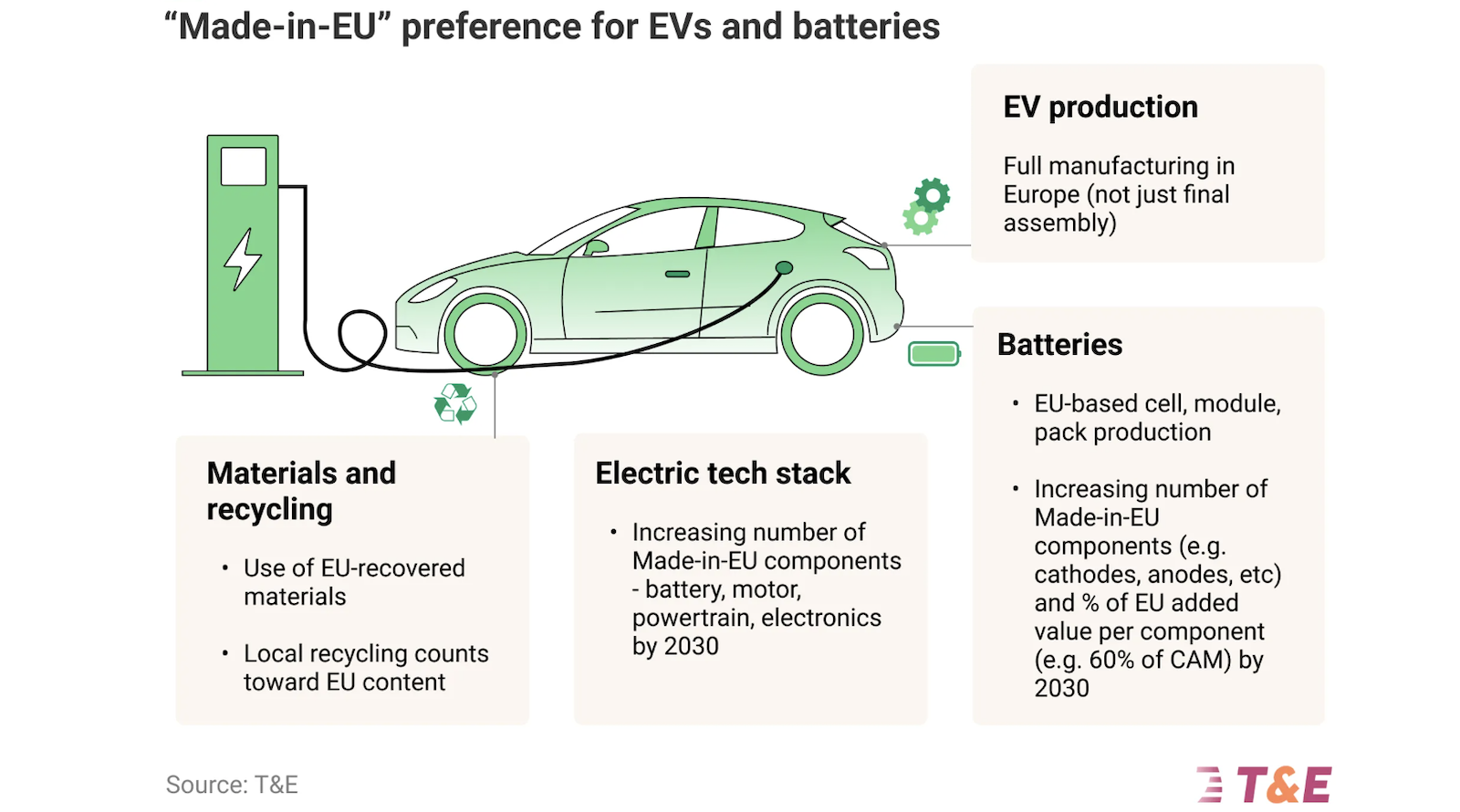
Final assembly in Europe, with batteries and most of the high-value components still largely from China, does not automatically unlock every benefit of the “Made in Europe” rules. Whether that is acceptable under the rules the Germans and the EU are writing remains unclear. Making the batteries in Europe is the obvious target.
Opinion: the old guard and the wall
I suggested years ago that the legacy marques would end up simply slapping their badges on Chinese cars. That has started to happen in more than a few places, but it has taken far too long for the old guard to react. So long in fact, that it may already be too late. Rather than get on with building competitive electric cars, the European big names have delayed and kicked the can down the road repeatedly. VW and Stellantis still want to sell diesels! Stellantis have even spent money recently reverse-engineering the electric Fiat 500e to now also be available as wheezy petrol engine model!
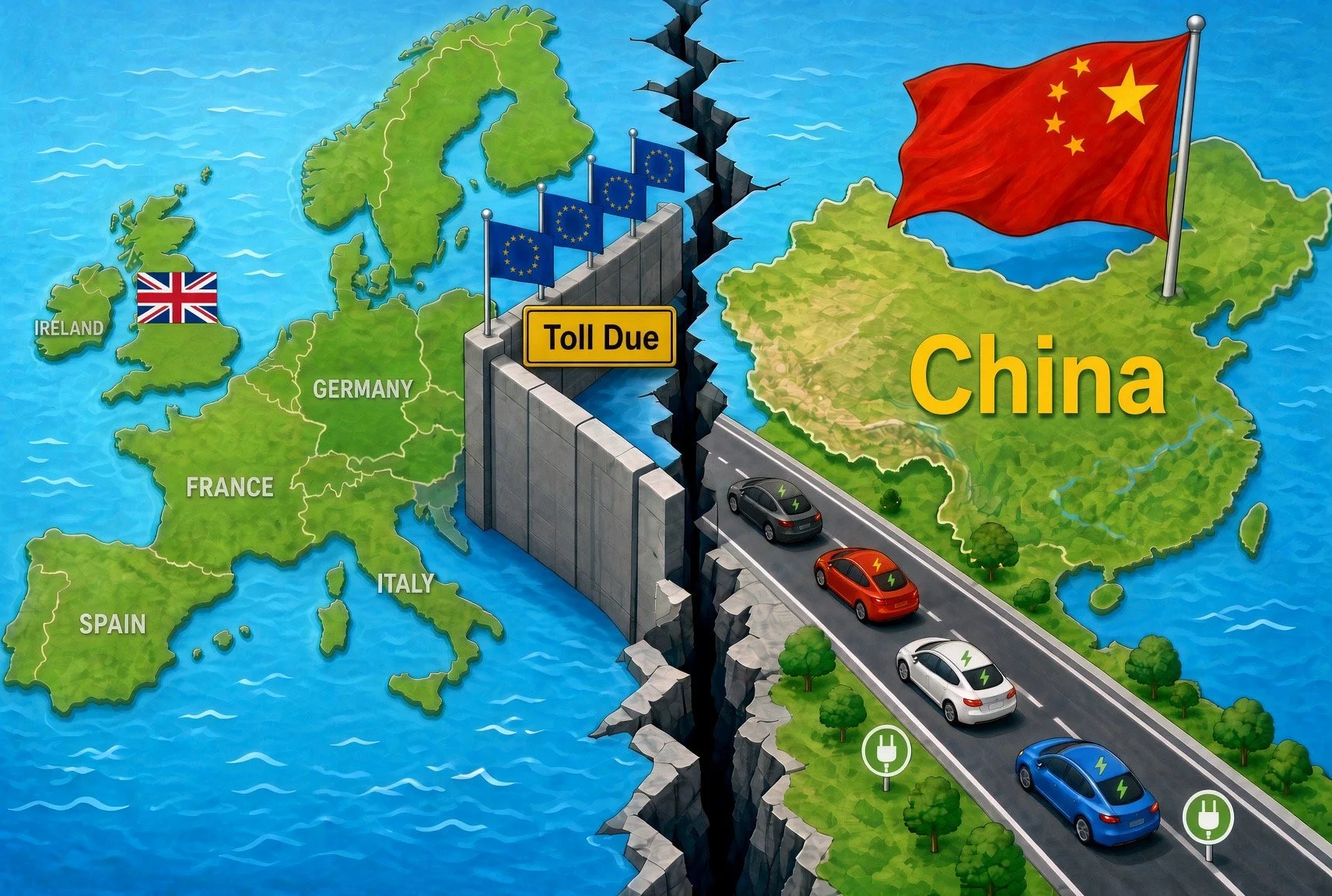
The newest idea is to put up protectionist walls with high tariffs on anything not made in Europe. These moves are happening even while some proper attempts at working together exist, such as the Leapmotor venture.
A decision with clear trade-offs
European manufacturers as a group want protection from Chinese competition on price and equipment. Individual companies are already adapting by partnering or talking about contract manufacturing. The proposal from France and Germany is still a paper rather than settled EU law, but it forces the choice. Britain wants its existing factories treated as eligible for the industrial support. The condition is that it accepts the tariff-wall those schemes are designed to enforce.
Either path carries clear trade-offs. Joining protects access for the plants the UK already has, at the price of higher costs for buyers and tighter alignment on trade policy. Staying out protects current prices and policy freedom, at the price of leaving those plants outside the protected zone the EU is creating. Right now it is not obvious that raising prices for British drivers, while still allowing Chinese technology and batteries in through local assembly, builds as much industrial strength as the policy aims for. We welcomed the Japanese in. Should we do the same with China and its -perhaps arguably-better tech?
