The MPV: A Once Coveted Family Car, now Almost Extinct Quietly Returns
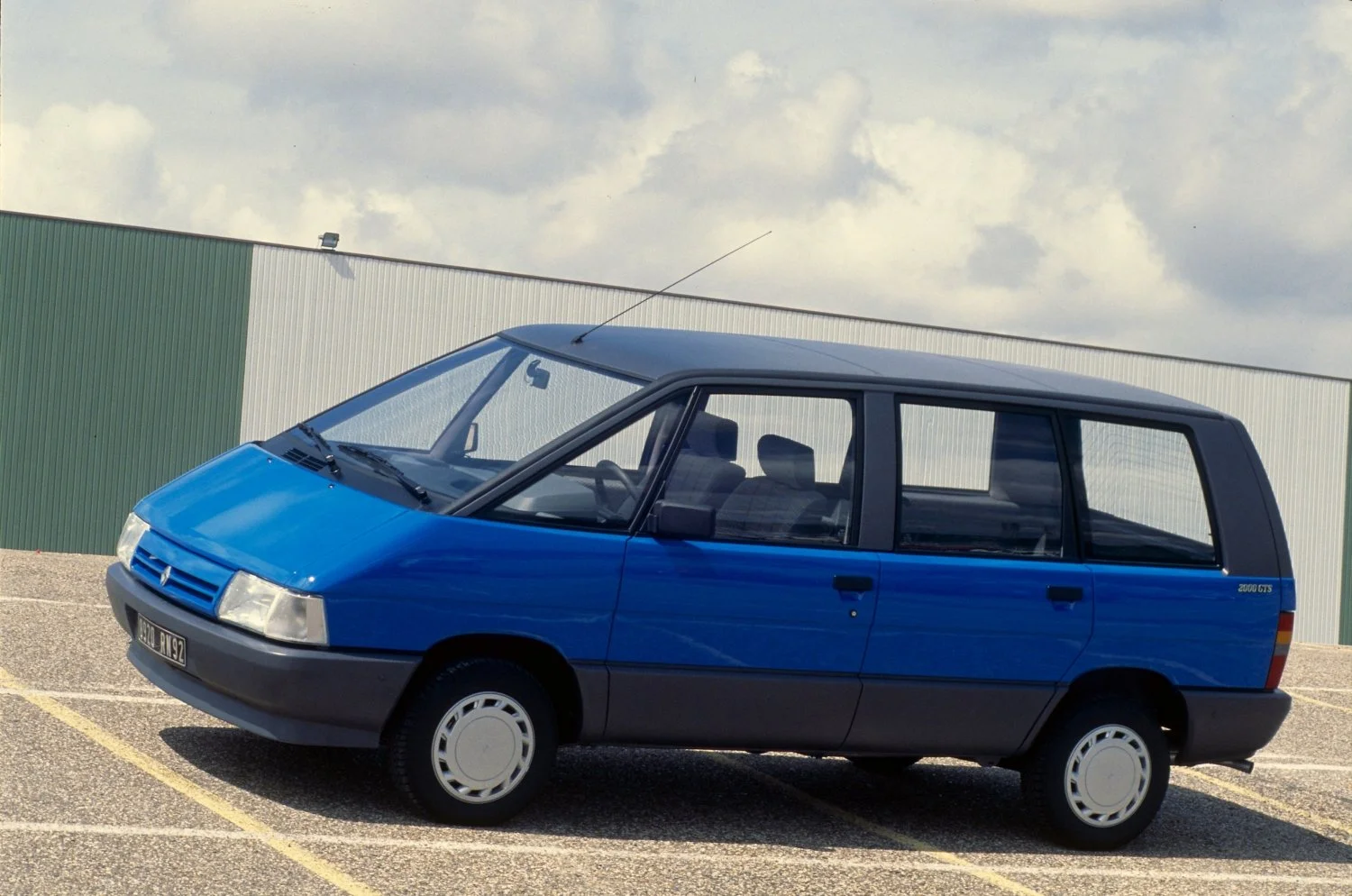
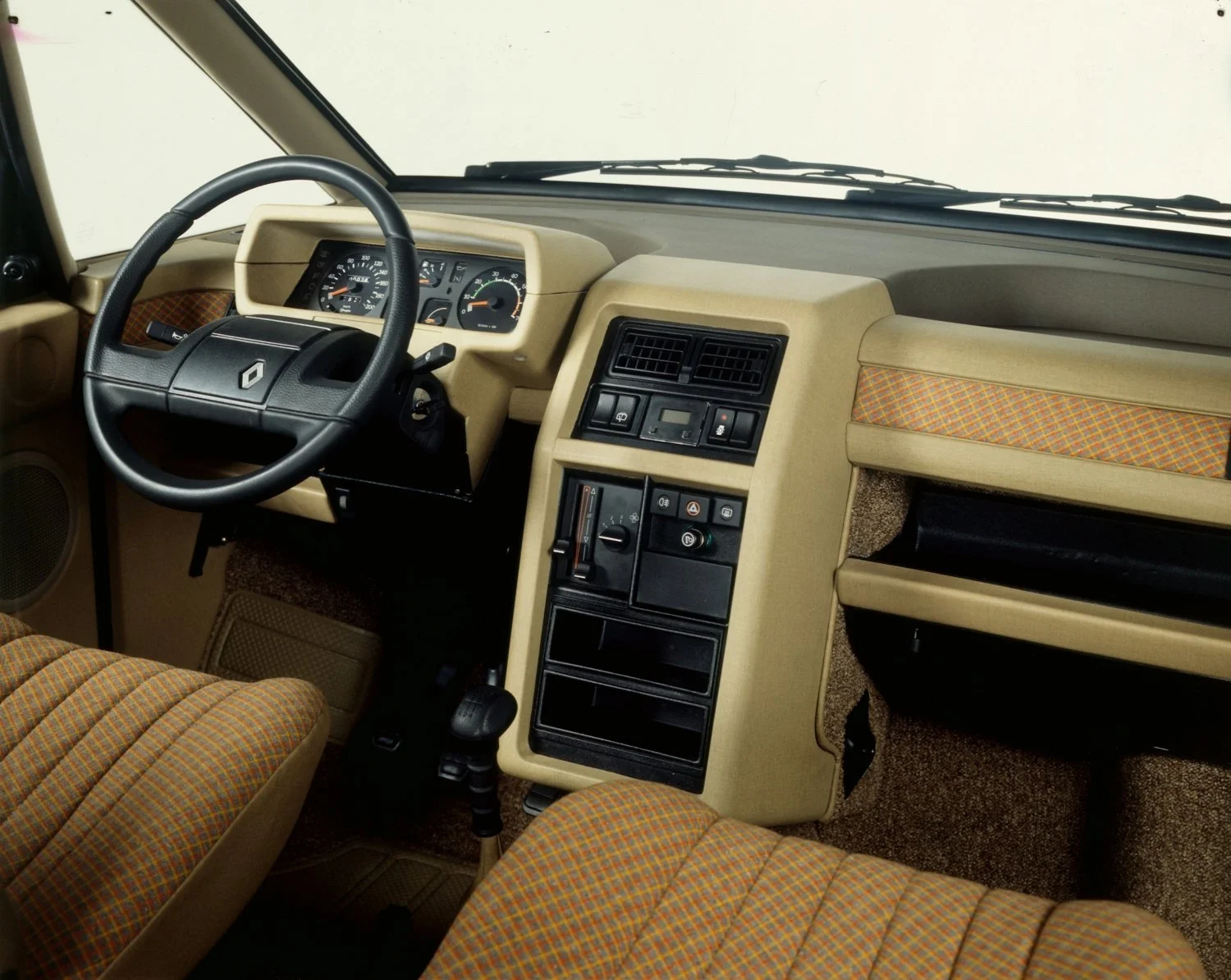
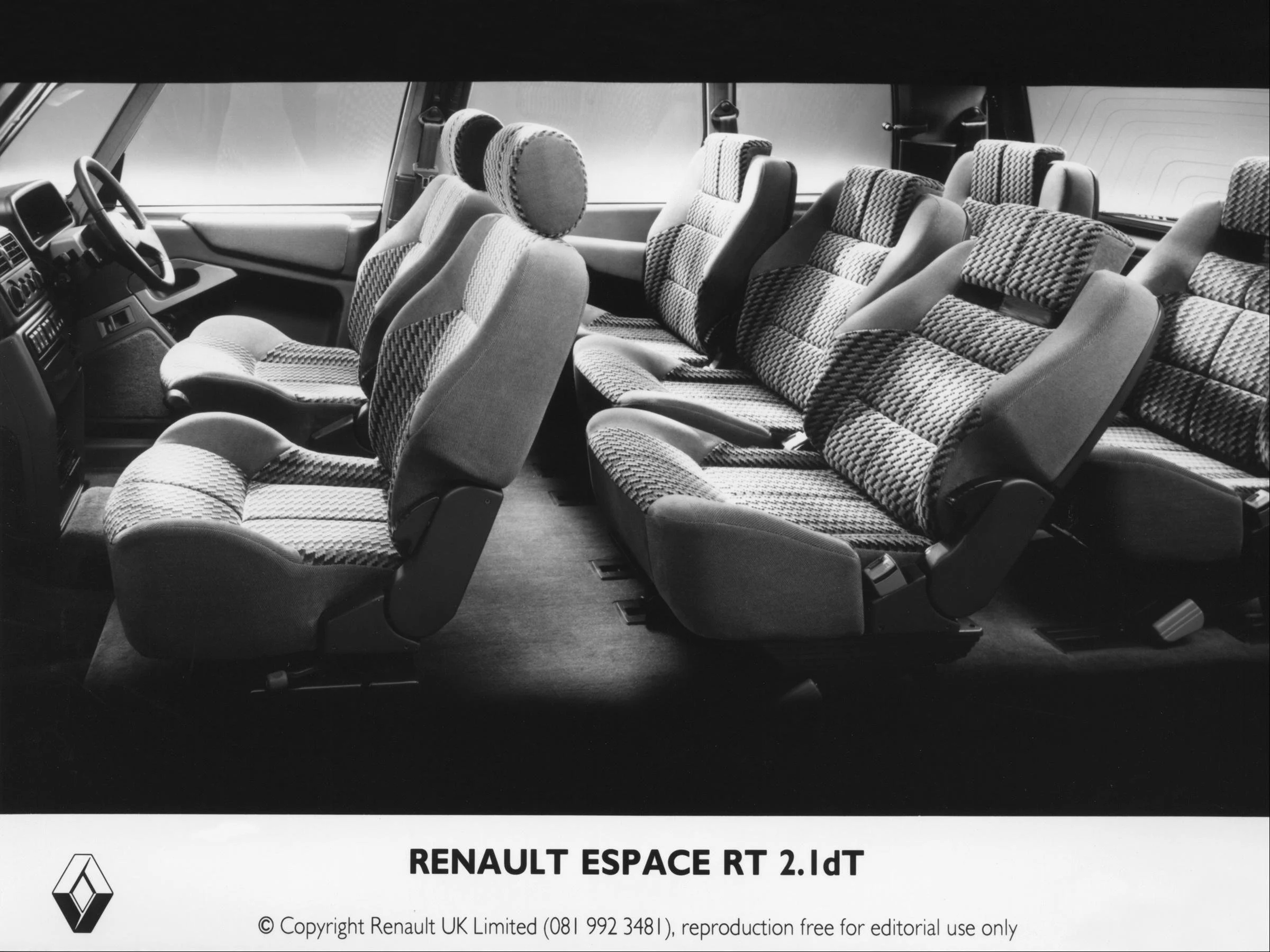
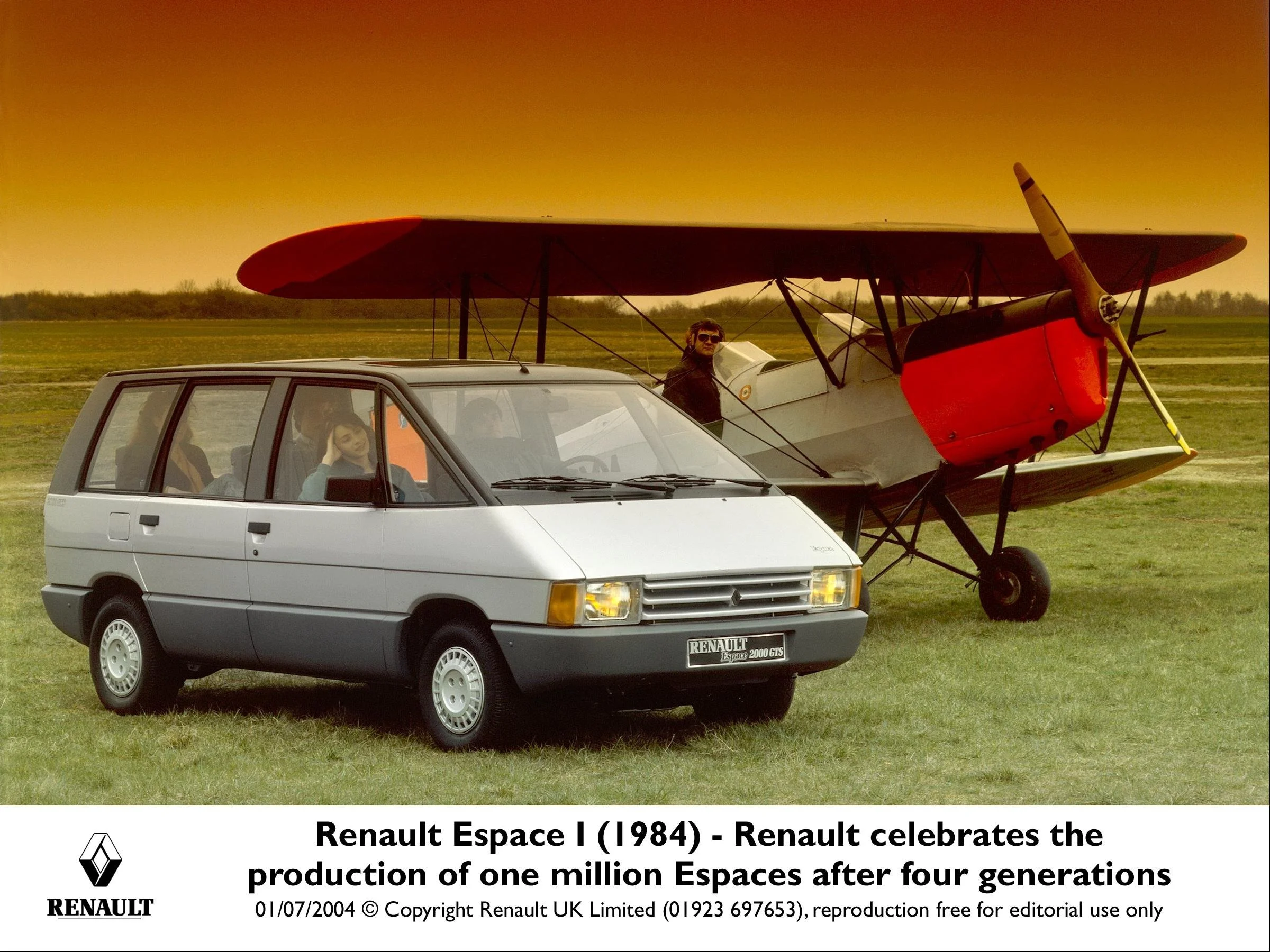
Renault pioneered the mass-produced MPV when it launched the Espace back in 1984, taking the market by storm offering a car-based vehicle that could seat 7 comfortably, and their luggage. Before this point, vans converted to minibuses were the only choice and these were neither desirable, comfortable or as versatile, but they were the only option for large families, or airport taxis services.
Not only did the MPV’s offer space, comfort and practicality, but there was an abundance of stowage inside, which was perfect for family transport and children’s paraphernalia. The MPV usurped estate cars as the go-to family bus, freeing up additional space, whilst adding versatility that could not be harnessed by humble estate.
However, roll on to 2026 and 60% of the car market is now comprised of supposedly more desirable SUVs and Crossovers, with the humble MPV all but destined for the history books. The estate is not far behind.
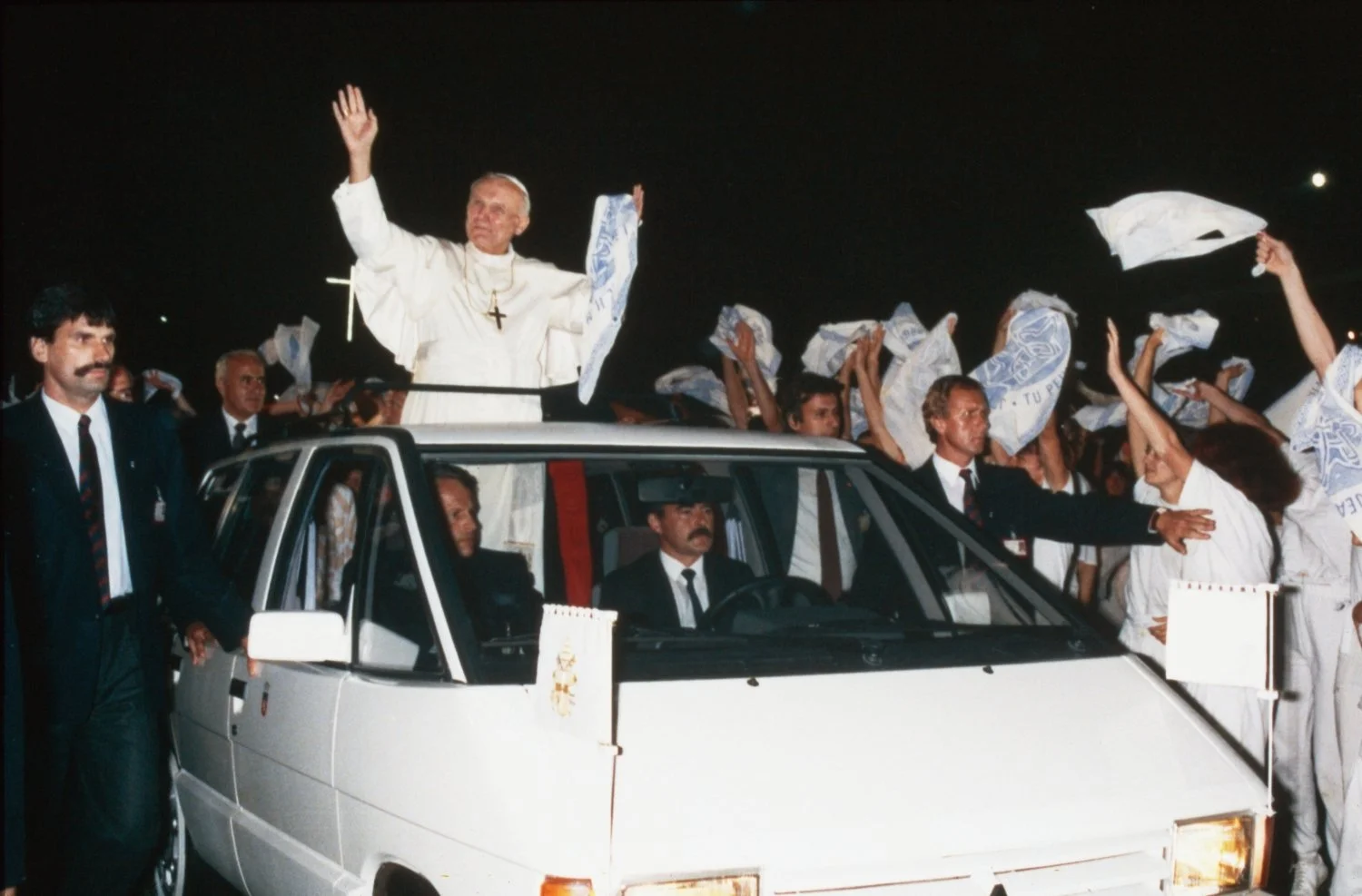
Renault Espace Popemobile
Not only did Renault go on to make many generations of the Espace, but they brought out smaller versions, such as the Scenic and Modus. Even the Pope had a Renault Espace as an official Popmobile.
However, his Holiness has fallen for the SUV trend using the all-electric Mercedes G-Class, whilst Ford CEO Jim Farley and his wife gifted the Bishop of Rome a black 2026 Ford Explorer Platinum AWD hybrid recently.
The ‘classic’ styled MPV market has entirely collapsed, but manufacturers have been more cunning with their approach to attract customers into the 'stealth people carrier', according to data technology experts Vehicle Data Global (VDG).
VDG registration data shows the once ubiquitous MPV from the mid-2000s has suffered a 98% collapse since 2014 as the more trendy SUV body started to dominate the market with more rugged looks and a more appealing shape.
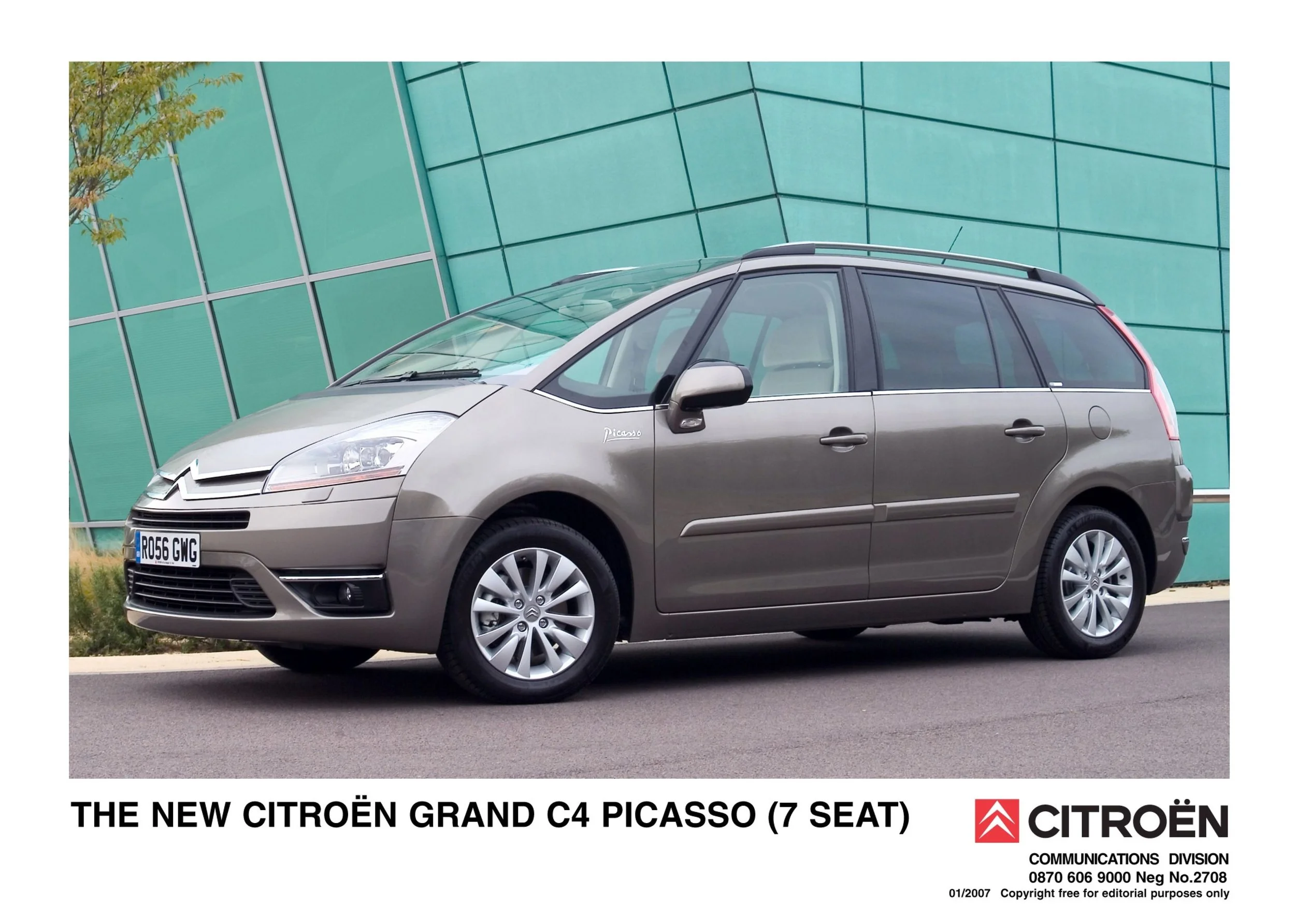
Manufacturers quietly retired their MPV line up with models like the Volkswagen Sharan, Citroen Grand C4 Picasso, Ford Galaxy, S-Max and the Volkswagen Touran just a few years ago. However, the shift has since seen manufacturers hitting the reset button, returning back to their pre-MPV state by offering a less cost intensive van-based people carrier. They figured that for customers the cars looks aren’t a priority when they look for space and practicality and don’t want to pay the premium for a full sized SUV.
Registrations of Ford's van-derived Tourneo Custom variant has reached 4,893 in 2025, up from just 336 12 years earlier. Peugeot's Rifter and Vauxhall's Combo Life - both built on commercial van platforms - are showing similar trends surpassing 2,000 sales a year. VDG says that such vehicles are effectively MPVs without the official label.
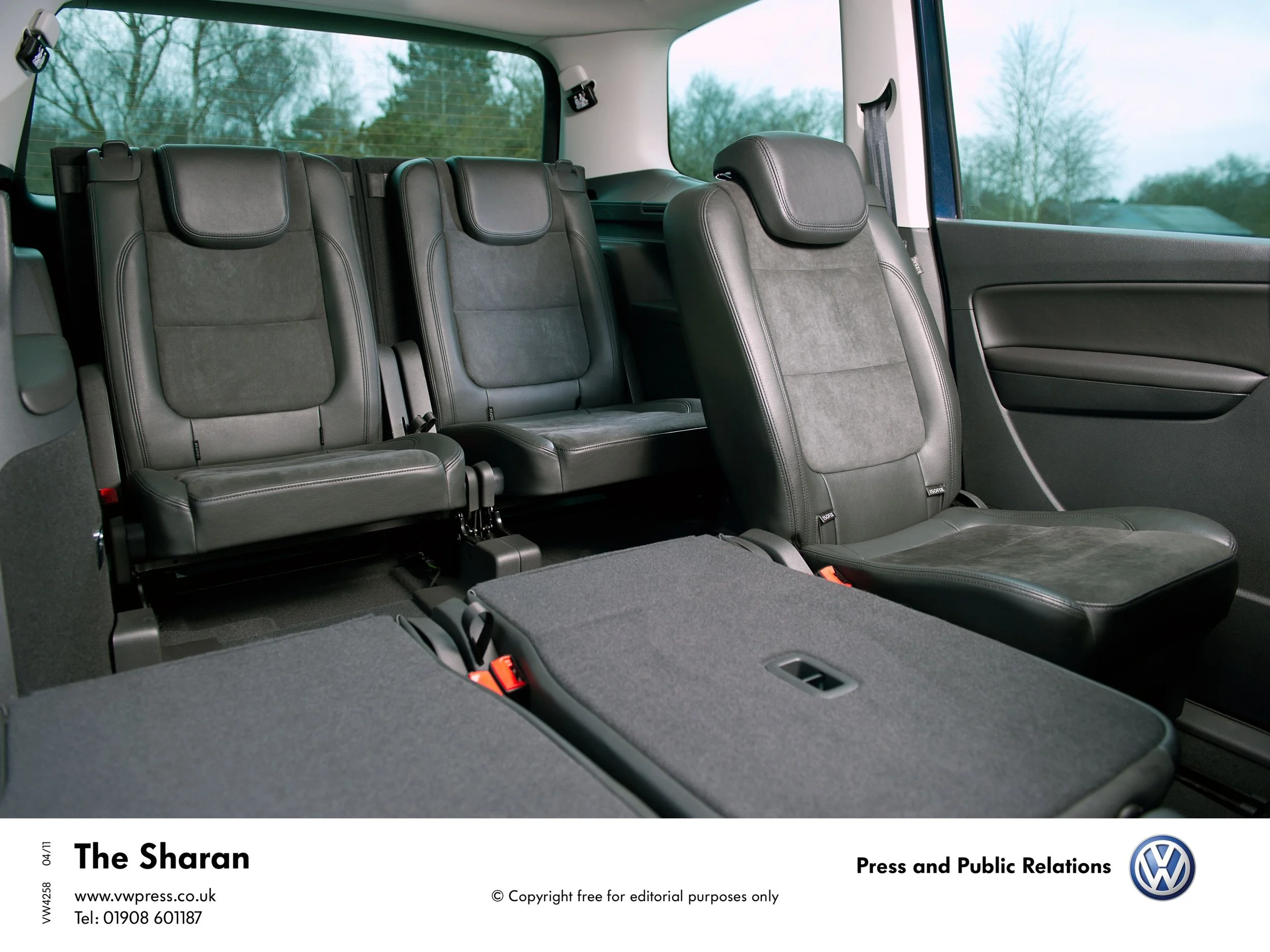
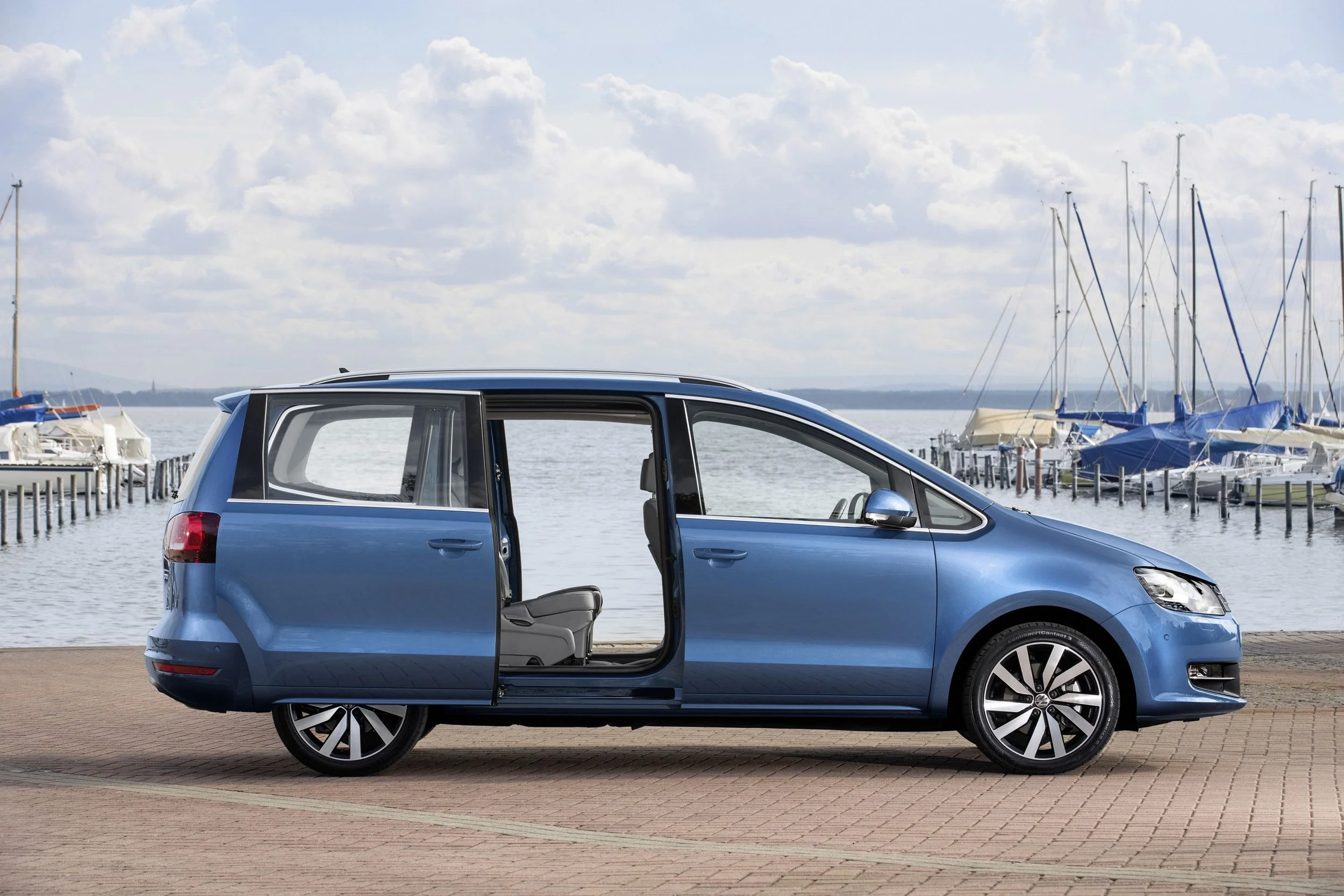
Together, these unofficial practical people carriers outsold all 13 legacy MPV nameplates by more than nine to one in 2025, despite their continuing similarities in image and design. It means the nameplate may have died, but the underlying product lives on as a rebranded vehicle type.
Registrations of true MPVs bottomed out at 41,610 in 2022, then grew for three consecutive years to reach 57,875 by 2025 - a resurgence of 39%.
Manufacturers are quietly investing again in the segment again as consumers demand the practicality from the original Renault Espace, Ford Galaxy and SEAT Alhambra.
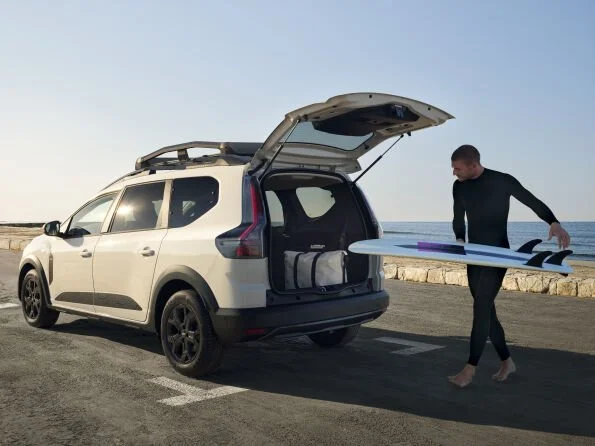
Dacia Jogger
Some manufacturers are looking to capitalise on their existing car-derived platforms creating their own MPV’s, such as Dacia's Jogger, which has hit 10,224 registrations by 2024.
Despite slipping to 5,778 sales in 2025 the Jogger still outsold all of the remaining legacy MPV names combined.
The Jogger also offers customers on a tight budget access to a very practical car, that is neither a traditional looking MPV or SUV. It’s more of a crossover estate with 7 seats.
Ben Hermer, Operations Director of VDG, said: "The rise, fall and rise again of the MPV suggests that drivers only fell out of love with the people carrier name, rather than the space and flexibility offered by the segment and now manufacturers are investing to meet that demand again.
"But what is most interesting is how we are seeing the effective relaunch of the sector as the stealth MPV."
Hermer says that the label-based decline of the original MPV was made explicit when Renault's design director, Gilles Vidal, told Auto Express magazine in 2024 that what the French call the 'monobox' MPV design was "out of fashion".*
"In many cases manufacturers abandoned the boxy body to create sleeker vehicles that they could label differently, such as 'Crossover', but the emergence of unapologetically boxy looking MPVs again, such as the Dacia Jogger, shows that there's a hard core of drivers who still favour practicality over image.
"But what we are seeing today is the adoption of ultra-practical van-derived vehicles which make a virtue of their boxy design and the appetite for them is revealed by the success of models like the Peugeot Rifter, Vauxhall Combo Life, Volkswagen Caddy Maxi and Ford Tourneo Custom, along with head-turners like the Volkswagen ID. Buzz.
"So, while many MPVs were transformed into more adventurous looking SUV body styles, the segment is having a new lease of life as the stealth MPV - even if it no longer carries that label."